
How to Deal with Low Water Pressure in Your Home
Low water pressure is one of the most common plumbing complaints among homeowners in the UK, and it…

Why you can trust our content
We understand that the boiler industry can be confusing, with plenty of outdated or misleading information. That’s why we rely only on trusted, proven sources to guide our advice and installations:




At a glance
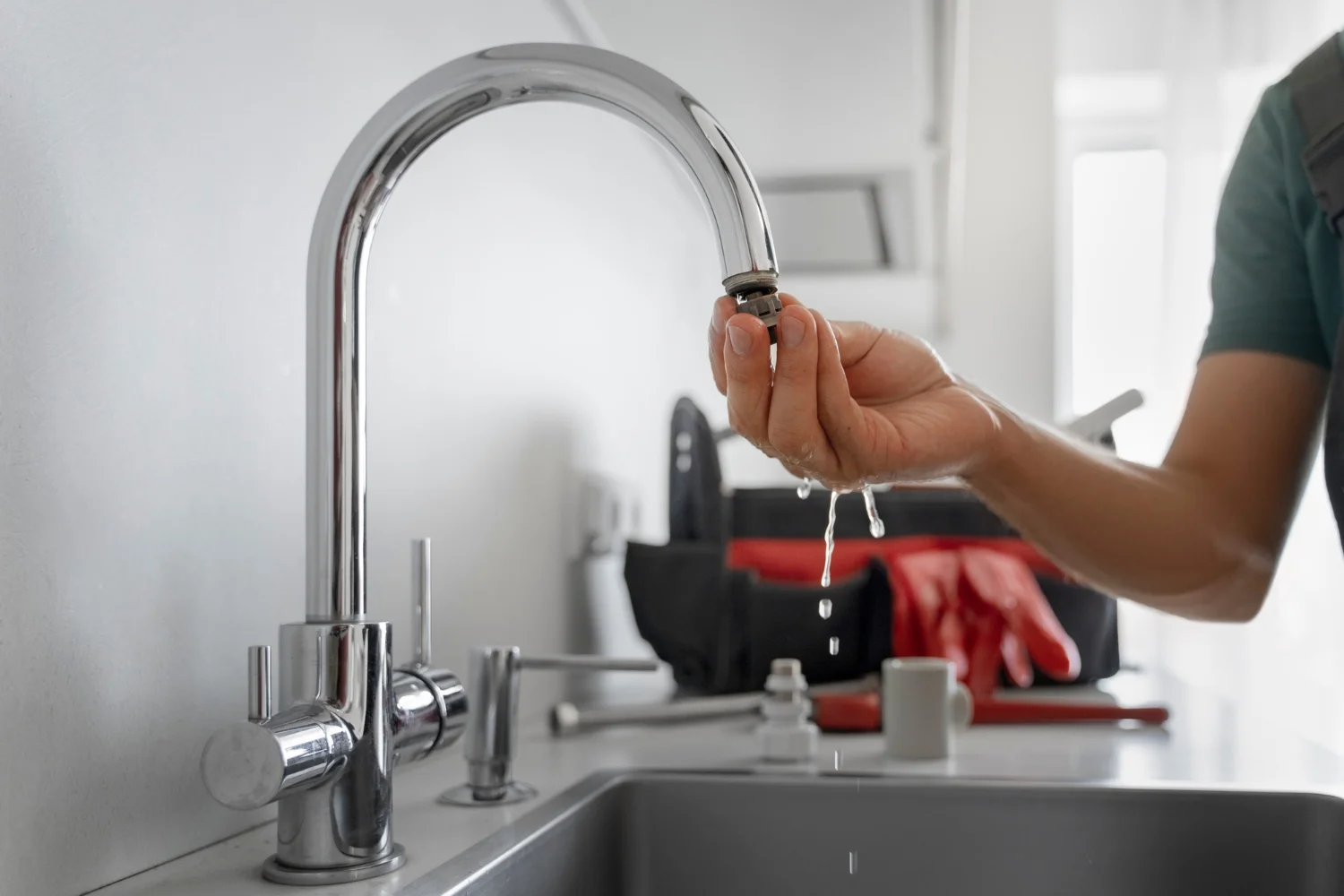
Low water pressure is one of the most common plumbing complaints among homeowners in the UK, and it can turn everyday tasks like showering or washing dishes into frustrating experiences. Whether the water is trickling from your taps or your shower has lost its usual force, identifying the cause and knowing how to fix it can save time, money, and stress.
In this guide, the team at Kentish Plumbers explains the causes of low water pressure, how to diagnose the issue, and what solutions are available to restore proper flow in your home.
What Is Considered “Low” Water Pressure?
In the UK, normal domestic water pressure should fall between 1 and 3 bar. Anything consistently below this range may affect the performance of appliances such as showers, washing machines, and combi boilers.
Signs of low water pressure include:
- Weak or sputtering water flow from taps and showers
- Slow-filling toilet cisterns or basins
- Difficulty running multiple outlets at the same time
- Appliances not functioning as expected (e.g., electric showers, dishwashers)
If you’re experiencing any of these issues, it’s worth conducting a few basic checks or calling in a professional plumber.
Common Causes of Low Water Pressure
Several factors can contribute to low water pressure in UK homes. Some are temporary and easy to fix, while others may require more in-depth investigation and repair.
1. Closed or Partially Closed Stop Tap
Your stop tap (usually found under the kitchen sink) controls the main water supply to your home. If it’s not fully open, it can restrict flow. Turn it fully anti-clockwise to ensure it’s open.
2. Faulty Pressure-Reducing Valve
Some homes are fitted with pressure-reducing valves (PRVs) to protect internal pipework from damage. If the PRV is faulty or set too low, it can reduce flow throughout the house.
3. Limescale or Sediment Build-up
In hard water areas like Kent, limescale build-up inside pipes or fixtures can restrict water flow over time. Shower heads, tap aerators, and older pipework can all suffer from mineral blockages.
4. Pipe Leaks
A leaking pipe—whether visible or hidden—can drastically reduce the pressure in your system. You may also notice damp patches, mould growth, or an unexplained increase in your water bill.
5. Shared Supply or Peak Demand
If your home shares a water main with neighbouring properties (common in older terraces), you may experience pressure drops during peak usage times—typically mornings and early evenings.
6. Boiler or Hot Water System Issues
Low hot water pressure from a combi boiler could indicate a faulty pressure valve, a diverter valve issue, or sludge build-up in the system.
7. External Water Supply Problems
Occasionally, the issue may lie with your local water supplier. Planned maintenance, burst mains, or temporary pressure reductions can all affect supply. Check with your water company if the issue is sudden and widespread.
Diagnosing the Problem
Before jumping into a solution, it’s important to isolate where the pressure loss is occurring:
- Check both hot and cold taps – If only the hot water is affected, it may be your boiler or cylinder.
- Test multiple fixtures – If pressure is low across the home, it’s likely a main supply or valve issue.
- Use a pressure gauge – Available from most DIY stores, these allow you to test your water pressure at an outdoor tap. Anything below 1 bar is considered low.
Ask neighbours – If they’re experiencing similar issues, the fault may lie with the main supply rather than your property.
How to Fix Low Water Pressure
✅ 1. Clean or Replace Tap Aerators and Shower Heads
Over time, these fixtures can become clogged with debris or limescale. Unscrew and soak in white vinegar, or replace entirely for a quick pressure boost.
✅ 2. Check and Open the Stop Tap
Ensure your internal stop tap is fully open. If your external stopcock (near the pavement) is partially closed, you may need to contact your water provider for access.
✅ 3. Inspect for Leaks
Look for signs of damp or damage near pipework, especially under floors or behind appliances. If you suspect a leak but can’t find it, a professional plumber can carry out a pressure test or thermal imaging.
✅ 4. Flush and Balance the Heating System
If your hot water pressure is low, your combi boiler may require power flushing or system balancing. Kentish Plumbers offers both services to help restore performance.
✅ 5. Install a Booster Pump
If your home has persistently low water pressure and you’re on a private supply, a booster pump can be installed to increase flow rate. We install WRAS-approved mains booster systems tailored to your property’s needs.
✅ 6. Upgrade Pipework
Older or undersized pipes may not be able to handle modern demands. Replacing restrictive pipework—especially in renovations—can drastically improve performance.
Legal Pressure Standards in the UK
While there is no specific law mandating a minimum pressure level, UK water suppliers are required to deliver a minimum of 1 bar of pressure to the boundary of your property (typically measured at the external stopcock).
If you consistently receive less than this, and it’s not due to internal plumbing issues, you may be eligible for support or compensation from your water company.
When to Call a Professional
If you’ve tried the above checks and pressure is still low, it’s time to bring in an expert. At Kentish Plumbers, we carry out detailed investigations to pinpoint the issue and recommend the most effective fix.
Our services include:
- Leak detection and repair
- Boiler diagnostics and flushing
- Tap and shower valve replacements
- Pipework upgrades
- Booster pump installation
- Pressure surveys for landlords and developers
We work quickly, cleanly, and with transparent pricing throughout.
Book a Pressure Inspection Today
Don’t put up with poor water pressure any longer. Whether it’s a simple fix or a more involved upgrade, Kentish Plumbers can help restore full flow to your taps, showers, and appliances.
📞 Call us today to book a pressure inspection, or
📩 Use our online form to request a callback at a time that suits you.
Related articles


At a glance
Low water pressure is one of the most common plumbing complaints among homeowners in the UK, and it can turn everyday tasks like showering or washing dishes into frustrating experiences. Whether the water is trickling from your taps or your shower has lost its usual force, identifying the cause and knowing how to fix it can save time, money, and stress.
In this guide, the team at Kentish Plumbers explains the causes of low water pressure, how to diagnose the issue, and what solutions are available to restore proper flow in your home.
What Is Considered “Low” Water Pressure?
In the UK, normal domestic water pressure should fall between 1 and 3 bar. Anything consistently below this range may affect the performance of appliances such as showers, washing machines, and combi boilers.
Signs of low water pressure include:
- Weak or sputtering water flow from taps and showers
- Slow-filling toilet cisterns or basins
- Difficulty running multiple outlets at the same time
- Appliances not functioning as expected (e.g., electric showers, dishwashers)
If you’re experiencing any of these issues, it’s worth conducting a few basic checks or calling in a professional plumber.
Common Causes of Low Water Pressure
Several factors can contribute to low water pressure in UK homes. Some are temporary and easy to fix, while others may require more in-depth investigation and repair.
1. Closed or Partially Closed Stop Tap
Your stop tap (usually found under the kitchen sink) controls the main water supply to your home. If it’s not fully open, it can restrict flow. Turn it fully anti-clockwise to ensure it’s open.
2. Faulty Pressure-Reducing Valve
Some homes are fitted with pressure-reducing valves (PRVs) to protect internal pipework from damage. If the PRV is faulty or set too low, it can reduce flow throughout the house.
3. Limescale or Sediment Build-up
In hard water areas like Kent, limescale build-up inside pipes or fixtures can restrict water flow over time. Shower heads, tap aerators, and older pipework can all suffer from mineral blockages.
4. Pipe Leaks
A leaking pipe—whether visible or hidden—can drastically reduce the pressure in your system. You may also notice damp patches, mould growth, or an unexplained increase in your water bill.
5. Shared Supply or Peak Demand
If your home shares a water main with neighbouring properties (common in older terraces), you may experience pressure drops during peak usage times—typically mornings and early evenings.
6. Boiler or Hot Water System Issues
Low hot water pressure from a combi boiler could indicate a faulty pressure valve, a diverter valve issue, or sludge build-up in the system.
7. External Water Supply Problems
Occasionally, the issue may lie with your local water supplier. Planned maintenance, burst mains, or temporary pressure reductions can all affect supply. Check with your water company if the issue is sudden and widespread.
Diagnosing the Problem
Before jumping into a solution, it’s important to isolate where the pressure loss is occurring:
- Check both hot and cold taps – If only the hot water is affected, it may be your boiler or cylinder.
- Test multiple fixtures – If pressure is low across the home, it’s likely a main supply or valve issue.
- Use a pressure gauge – Available from most DIY stores, these allow you to test your water pressure at an outdoor tap. Anything below 1 bar is considered low.
Ask neighbours – If they’re experiencing similar issues, the fault may lie with the main supply rather than your property.
How to Fix Low Water Pressure
✅ 1. Clean or Replace Tap Aerators and Shower Heads
Over time, these fixtures can become clogged with debris or limescale. Unscrew and soak in white vinegar, or replace entirely for a quick pressure boost.
✅ 2. Check and Open the Stop Tap
Ensure your internal stop tap is fully open. If your external stopcock (near the pavement) is partially closed, you may need to contact your water provider for access.
✅ 3. Inspect for Leaks
Look for signs of damp or damage near pipework, especially under floors or behind appliances. If you suspect a leak but can’t find it, a professional plumber can carry out a pressure test or thermal imaging.
✅ 4. Flush and Balance the Heating System
If your hot water pressure is low, your combi boiler may require power flushing or system balancing. Kentish Plumbers offers both services to help restore performance.
✅ 5. Install a Booster Pump
If your home has persistently low water pressure and you’re on a private supply, a booster pump can be installed to increase flow rate. We install WRAS-approved mains booster systems tailored to your property’s needs.
✅ 6. Upgrade Pipework
Older or undersized pipes may not be able to handle modern demands. Replacing restrictive pipework—especially in renovations—can drastically improve performance.
Legal Pressure Standards in the UK
While there is no specific law mandating a minimum pressure level, UK water suppliers are required to deliver a minimum of 1 bar of pressure to the boundary of your property (typically measured at the external stopcock).
If you consistently receive less than this, and it’s not due to internal plumbing issues, you may be eligible for support or compensation from your water company.
When to Call a Professional
If you’ve tried the above checks and pressure is still low, it’s time to bring in an expert. At Kentish Plumbers, we carry out detailed investigations to pinpoint the issue and recommend the most effective fix.
Our services include:
- Leak detection and repair
- Boiler diagnostics and flushing
- Tap and shower valve replacements
- Pipework upgrades
- Booster pump installation
- Pressure surveys for landlords and developers
We work quickly, cleanly, and with transparent pricing throughout.
Book a Pressure Inspection Today
Don’t put up with poor water pressure any longer. Whether it’s a simple fix or a more involved upgrade, Kentish Plumbers can help restore full flow to your taps, showers, and appliances.
📞 Call us today to book a pressure inspection, or
📩 Use our online form to request a callback at a time that suits you.


