
Boiler Installation Maidstone
Need a new boiler in Maidstone? Kentish Plumbers provide boiler installation, boiler replacement, boiler servicing and boiler repairs for homeowners across Maidstone and the surrounding Kent areas.
Whether your boiler is becoming unreliable, your heating system is no longer keeping up, or you want clearer advice on replacing an older appliance, our team can help you make the right decision.


Save up to £840
a year on your bills
Installation by a
Gas Safe engineer
Save up to £840
a year on your bills
Installation by a Gas Safe engineer

Kentish Plumbers
Price promise guarantee

Trusted Boiler Brands We Work With






New Boiler Installation and Replacement in Maidstone
If your boiler is struggling to heat your home, breaking down more often or becoming expensive to repair, it may be time to consider a new boiler installation. Kentish Plumbers help homeowners in Maidstone replace old or inefficient boilers with modern heating systems designed around their property and daily hot water needs.
Choosing the right boiler is an important decision. A busy family home in Maidstone may need a different heating setup to a smaller property, flat or rental home. Our team can review your current system, discuss how you use heating and hot water, and explain which boiler options may be suitable for your home.
During the installation, our engineers work carefully to remove the old appliance, fit the new boiler and check the system is running correctly. The aim is to give you a reliable heating system, clearer peace of mind and straightforward support from a team that understands local homes across Maidstone and Kent.
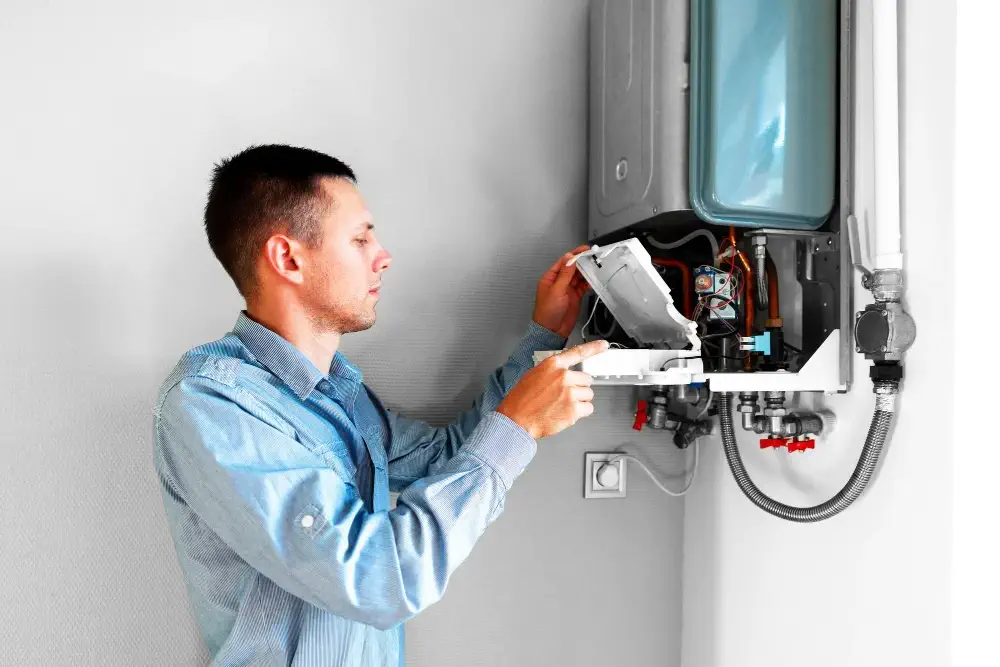
Get a Fixed-Price Boiler Quote in Maidstone
Replacing your boiler should feel clear, not confusing. Our online quote process is designed to help you understand your options quickly, whether you already know the type of boiler you need or you would prefer to speak to someone first.
Answer a few simple questions and we can guide you towards a suitable boiler option for your home.

Mains Gas

LPG

Other
Need a New Boiler, Boiler Service or Boiler Repair in Maidstone?
Kentish Plumbers provide boiler installation, boiler servicing and boiler repair support for homeowners across Maidstone. Whether you are planning a boiler replacement, trying to look after an existing boiler, or dealing with a fault that has affected your heating or hot water, our team can help you decide what to do next.
Some boiler problems can be solved with a repair. Others may be a sign that the appliance is reaching the end of its useful life. If your boiler is losing pressure, making unusual noises, failing to heat your radiators or breaking down repeatedly, we can help assess the issue and explain whether servicing, repair or replacement is likely to be the most suitable route.
If you are based in Maidstone or a nearby area, contact Kentish Plumbers for help with boiler installation, servicing or repairs.

See What Our Customers Are Saying
Boiler Service In Maidstone
Regular boiler servicing helps keep your heating system safe, efficient and dependable. Kentish Plumbers provide boiler servicing in Maidstone for homeowners who want their boiler checked properly and maintained before small issues turn into bigger problems.
During a boiler service, an engineer will inspect the appliance, check important components and look for signs of wear, damage or performance issues. This can help highlight faults early and reduce the risk of unexpected breakdowns when your heating is needed most.
If your boiler has not been serviced in the last year, or you want to prepare your home before colder weather, Kentish Plumbers can help with boiler servicing across Maidstone and the surrounding areas.
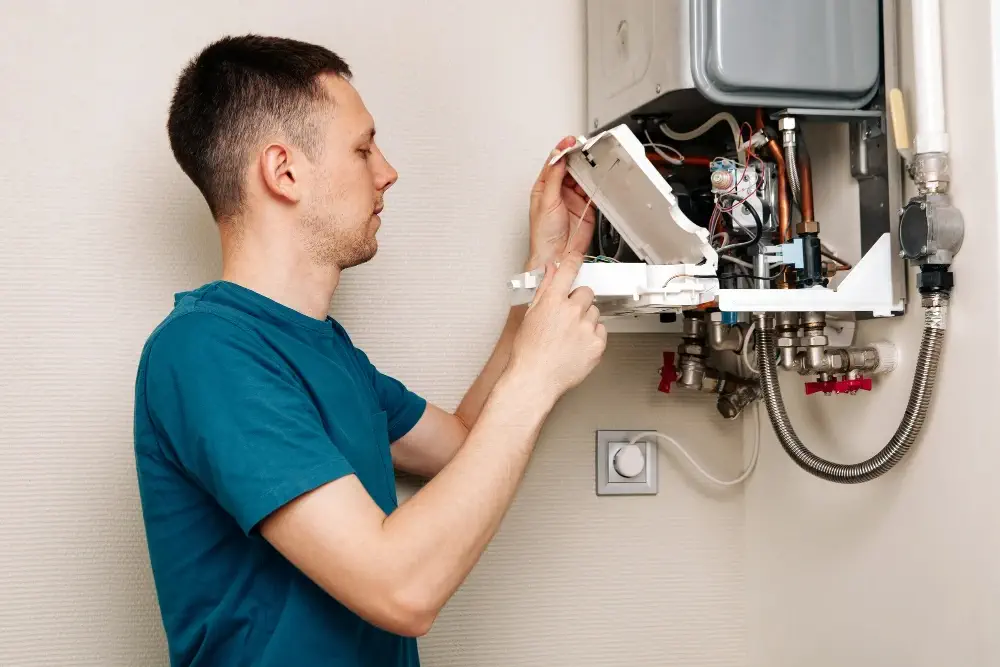
Boiler Repair In Maidstone
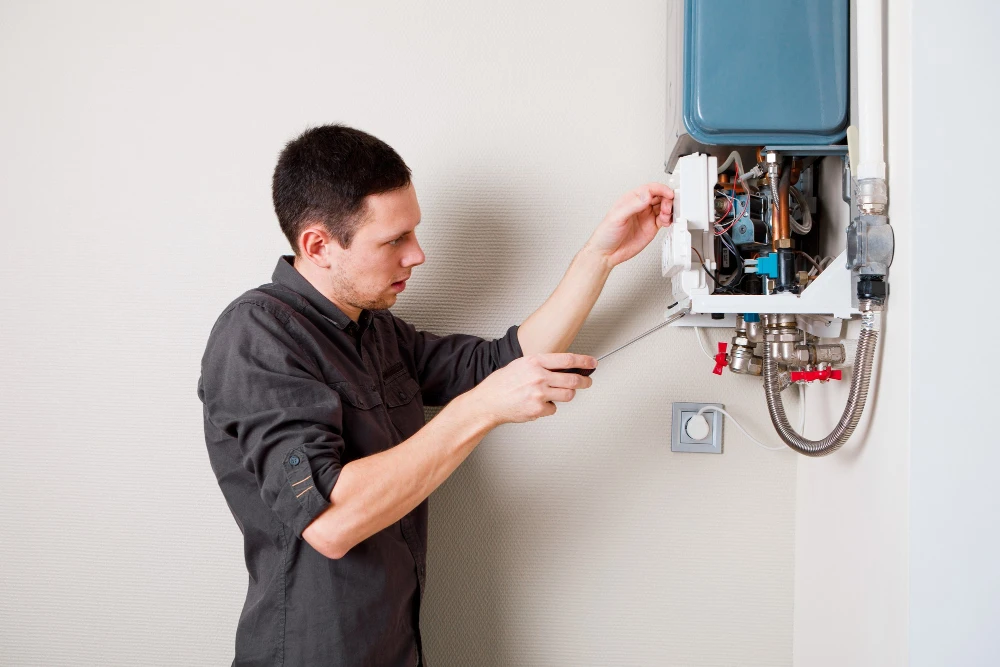
If your boiler has stopped working or is not performing as it should, Kentish Plumbers can help with boiler repairs in Maidstone. Boiler faults can affect your heating, hot water and daily routine, so it is important to get the issue checked before it becomes more disruptive.
Common problems include no heating, no hot water, low pressure, leaks, unusual noises, thermostat faults, radiators not warming up properly and boilers that keep switching off. Our team can investigate the fault, explain what may be causing the issue and advise whether a repair is practical.
For boiler repairs in Maidstone, contact Kentish Plumbers and our team will help you arrange the right next step.
Heating Engineers Covering Maidstone
Kentish Plumbers provide heating and boiler services for homeowners across Maidstone and nearby Kent communities. From replacing old boilers to servicing existing systems and diagnosing heating faults, our team helps customers keep their homes comfortable and their heating systems working properly.
We understand that boiler problems are rarely convenient. Whether you are dealing with a sudden fault, planning a replacement before winter or trying to keep a rental property maintained, we aim to provide practical advice and clear communication throughout the process.
Our team supports homes across Maidstone and surrounding areas, giving customers a reliable point of contact for boiler installation, boiler servicing, boiler repairs and wider heating support.

How Our Boiler Replacement Process Works
To Your Problem Solved With Kentish Plumbing & Heating

Tell us what you need.
Start online or speak to the team so they can understand your current boiler, property and heating requirements.

Get your quote.
You receive clear pricing and an explanation of what is included.

Book your installation.
Once you are happy to go ahead, the team arranges a suitable installation date.
Tell us what you need.
Start online or speak to the team so they can understand your current boiler, property and heating requirements.
Get your quote.
You receive clear pricing and an explanation of what is included.
Book your installation.
Once you are happy to go ahead, the team arranges a suitable installation date.
Why Choose Kentish Plumbers for Boiler Installation in Maidstone?
Kentish Plumbers is a local plumbing and heating company based in Tonbridge. The team focuses on clear advice, reliable workmanship and a straightforward installation process from quote to completion.

Guaranteed Work
We offer fixed-priced installations so there are no hidden costs or surprises.

Local And Trusted
Our process allows you to provide us with the information we need in just 30 seconds.

Fully Satisfied
We offer a wide range of quality products so you can decide what is best for you.

Hassle-Free Payments
Online or on-site, we make it easy to receive a quote and arrange your boiler installation.

Fully Equipped Team
Our dedicated customer support teams are on hand to assist throughout the process.

Experts In The Industry
Providing solutions designed by professionals who know the industry inside out.
Boiler Installation, Servicing and Repairs in Maidstone – FAQs
Some of the most frequent questions we get asked.

We’re Local, Reputable and Recommended
From requesting your boiler quote online right through to installation, we make everything as simple and efficient as possible. Plus, when working with us, you’re working with a highly recommended local business.