
Expert Plumbing and Heating In Tonbridge

Solve Your Problems In Three Simple Steps

Choose your desired service
Select the type of service you are looking for by clicking the relevant button below.

Receive a quote online
Fill in a few details to submit an enquiry or get a fixed-price quote. You’re under no obligation to accept

Schedule a call or buy online
Whether you’re happy to buy online or would like to speak to someone first, we have the option for you.
Solve Your Problems In Three Simple Steps
Choose your desired service
Select the type of service you are looking for by clicking the relevant button below.
Receive a quote online
Fill in a few details to submit an enquiry or get a fixed-price quote. You’re under no obligation to accept
Schedule a call or buy online
Whether you’re happy to buy online or would like to speak to someone first, we have the option for you.

Gas Safe Heating Engineers in Tonbrigde
We’re The Heating Engineers in Tonbridge You Can Trust
The team at Kentish Plumbers has provided professional boiler installation services to the Tonbridge area since 2018. We pride ourselves on delivering outstanding workmanship and we are always punctual, friendly, and honest. We provide boiler installation, boiler repairs and boiler servicing as well as a wide selection of new boilers.
Our experience within the heating and plumbing industry spans 19 years. It is a pleasure to provide solutions for our local Tonbridge community daily. We consistently use innovative practices and stay up to date with the latest technology and industry standards. You are in safe hands with us.
Give us a call today or fill out our contact form to see how we can assist you in your project, small or large, we can help.
Experience Quality Services From Kentish Plumbers
Our Top-Quality Plumbing and Heating Services for Your Comfort
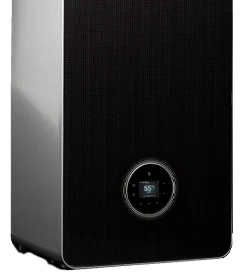
Boiler Services
General Plumbing

Bathroom Services

Central Heating Tonbridge
We’re Ready To Install Boilers in The Tonbridge Area
Here at Kentish Plumbers, we are specialist with in boiler installations and boiler repairs. We cover Tunbridge Wells, Maidstone, Sevenoaks and the wider area.
Heating engineers are very different to plumbers because heating engineers will have a focus boiler installs and repairs, fixing gas leak, change gas pipes, replace radiators and install heating controls.
We are fast, reliable and efficient with the highest level of standards
Contact us today or fill out our contact form to see how we can assist you in your project, small or large, we can help.

Why Choose Kentish Plumbers
Stress-Free Solutions for Your Problems with Our Hassle-Free Services

Response time
Having a small team of engineers enables us to respond to emergencies quickly.

Experienced friendly staff
Our engineers are qualified and highly experienced in all aspects of plumbing and heating. We know the industry inside and out!

Customer service
We always try our utmost to leave every customer satisfied with the service we have provided even when things do not go to plan.

Presentation
All our workforce wear branded uniforms and drive clean, sign-written vans.
Response time
Have a small team of engineers enables us to respond to emergencies quickly
Experienced friendly staff
Our engineers are qualified and highly experienced in all aspects of plumbing and heating. We know the industry inside and out!
Customer service
We always try our utmost to leave every customer satisfied with the service we have provided even when things do not go to plan
Presentation
All our workforce wear branded uniforms and drive clean, sign-written vans.
Plumbers Tonbridge
Trust Our Tonbridge Plumber To Solve Your Plumbing Issues
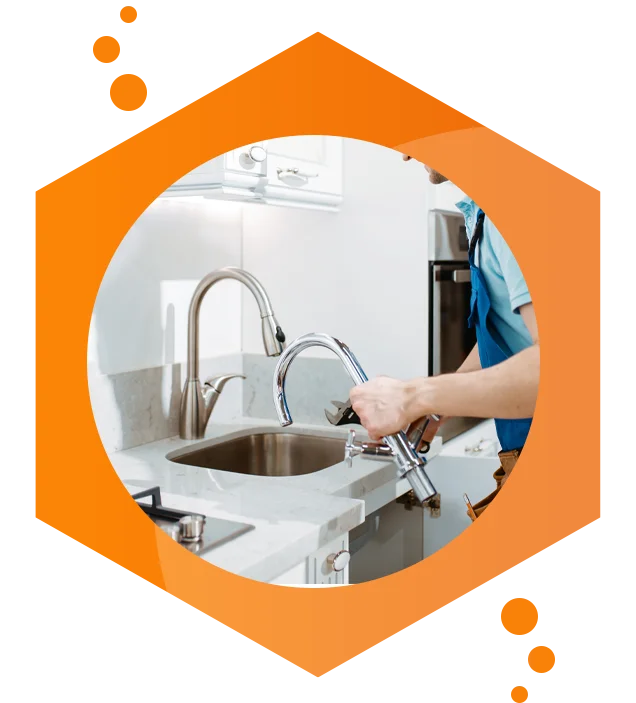
Kentish Plumbers is proud to provide a reliable heating and plumbing service to Tonbridge and Tunbridge Wells. Our highly skilled engineers have years of experience ensuring that we find a solution to your plumbing problems, whether it be a broken tap or a complete bathroom refit.
We’re independent and fully insured local Kent and Tonbridge plumbers and gas engineers dedicated to providing the highest standards of quality, expertise and customer service.
Need A New Boiler? Get A Quote Now!
Professional Tonbridge Plumbers for All Your Plumbing Needs







See What Our Customers Are Saying
Richard South
Excellent service, booked a boiler service at short notice as mine had unexpectedly stopped working, Darren arrived on time and immediately diagnosed.
Graham B
I can highly recommend Kentish Plumbers. They excelled in all aspects of work and customer service.
Carol Bailey
I would give 10 stars if available. It was a difficult job by they took it in their stride with good humour.
Jennifer Cook
Kentish Plumbers did a fantastic job replacing a badly installed loo in a new extension.