Emergency Plumber in Kent: What to Do Before We Arrive
Plumbing emergencies don’t wait for a convenient time. Whether it’s a burst pipe in the middle of the…

Why you can trust our content
We understand that the boiler industry can be confusing, with plenty of outdated or misleading information. That’s why we rely only on trusted, proven sources to guide our advice and installations:






Related Emergency Plumbing Posts
Plumbing emergencies don’t wait for a convenient time. Whether it’s a burst pipe in the middle of the night, an overflowing toilet just before guests arrive, or a boiler that suddenly gives out on a freezing winter morning, these incidents can cause panic, damage, and disruption.
But while you’re waiting for a professional emergency plumber to arrive, there are several critical steps you can take to protect your home, reduce the severity of the issue, and ensure the situation doesn’t escalate.
In this blog, we’ll walk you through what you should do during a plumbing emergency and how Kentish Plumbers responds to urgent situations with speed, care, and expertise.
What Counts as a Plumbing Emergency?
Some plumbing issues can wait until normal business hours, but others demand immediate attention. Here are the most common emergency scenarios:
- Burst pipes or severe leaks
- Blocked or overflowing toilets and drains
- No running water to taps or appliances
- Complete central heating failure in winter
- Leaking water tanks or cylinders
- Boiler breakdowns are causing loss of hot water and heating
- Gas or carbon monoxide leaks (note: call 0800 111 999 immediately)
Even if the issue seems manageable at first, water can spread quickly and cause structural damage, mould, or electrical faults. If in doubt, call your local emergency plumber for advice.
First Steps to Take Before the Emergency Plumber Arrives
A fast and calm response can make a big difference. Here’s a checklist of what to do while waiting for your emergency plumber:
1. Turn Off the Water Supply
This is the most important step in almost every plumbing emergency. Find your internal stopcock (usually under the kitchen sink, in a utility room, or near the water meter) and turn it clockwise to shut off the mains water.
If the leak is isolated to one appliance (e.g. toilet or washing machine), locate the isolator valve for that fixture and shut it off locally.
2. Switch Off the Boiler or Heating System
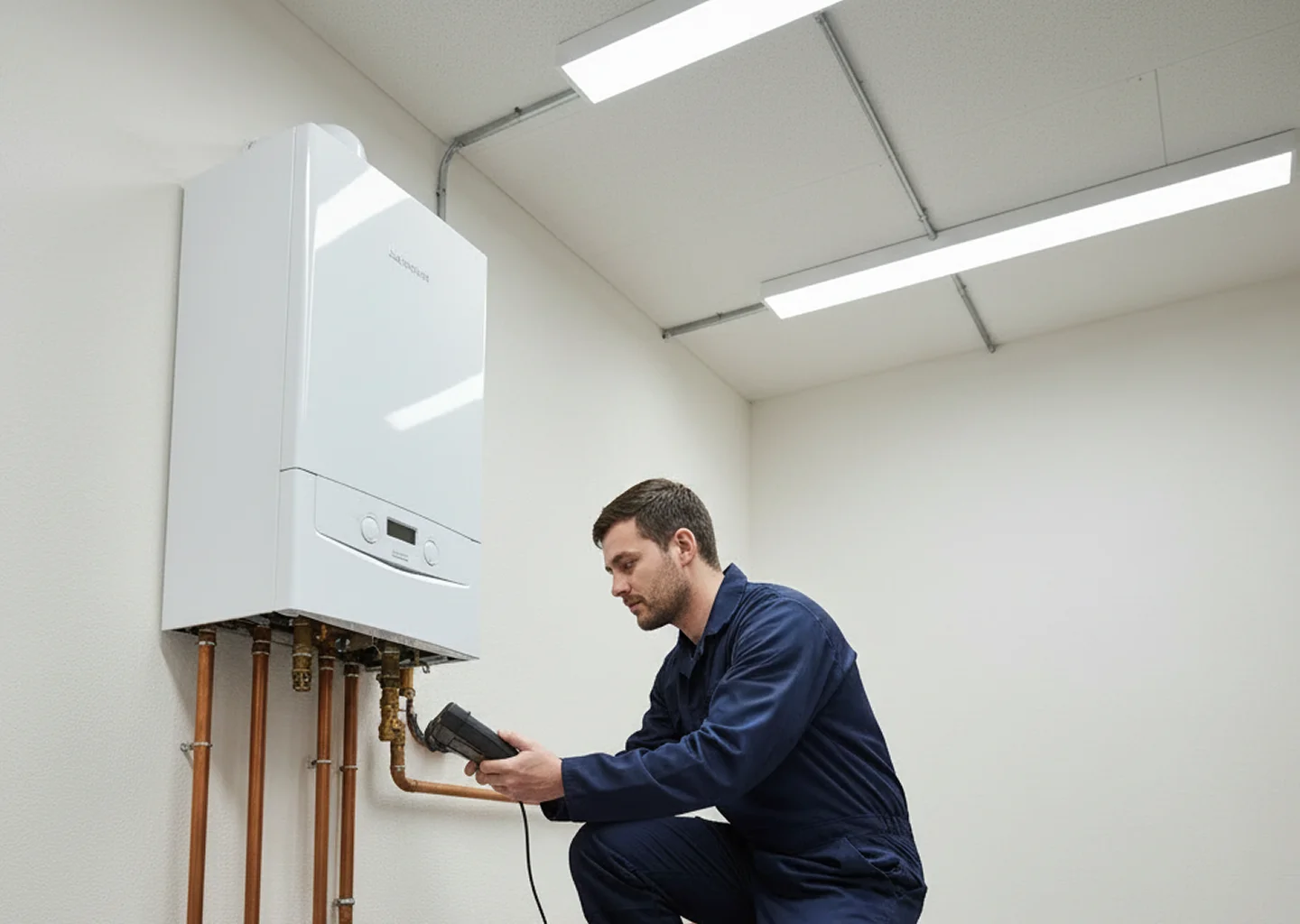
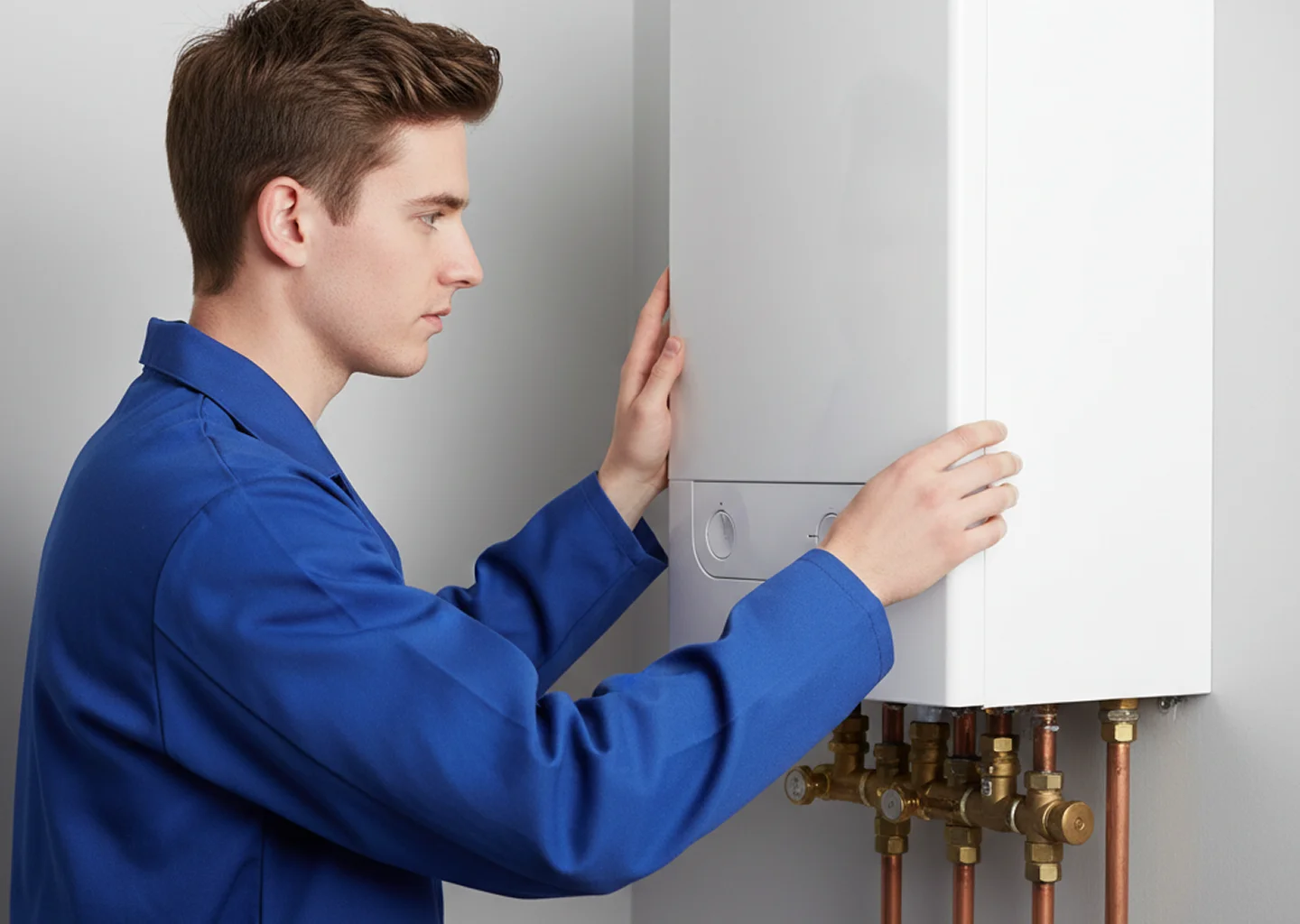
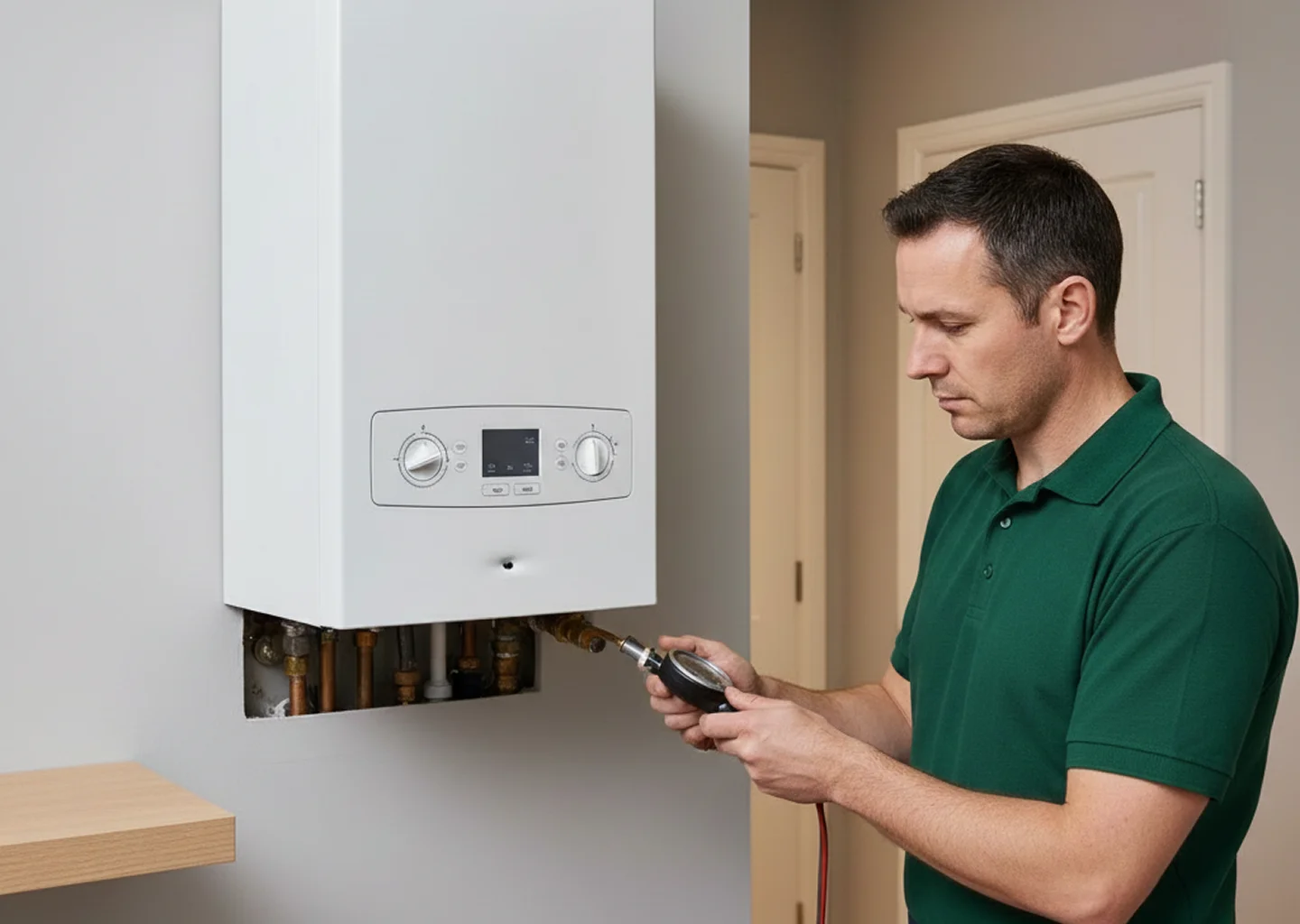
If the issue involves your boiler, radiators, or central heating, switch off the boiler using the control panel. In serious cases, turn off the electrical supply to the boiler at the fuse box.
This prevents overheating, pressure build-up, or electrical danger—especially if there’s water leaking near wires or sockets.
3. Contain and Control the Leak
Use towels, buckets, or containers to catch dripping water. Mop up standing water to prevent it from soaking into the flooring or furniture.
If water is bulging through a ceiling, gently pierce a small hole in the lowest point using a screwdriver or similar tool and allow it to drain into a container. This can help prevent ceiling collapse.
4. Ventilate the Area
Open windows and doors to help reduce humidity and prevent mould or mildew from developing—especially in bathrooms, kitchens, or lofts.
If the issue involves foul odours from a blocked drain, ventilation also helps reduce discomfort while you wait for assistance.
5. Avoid Electrical Hazards
If water is near electrical outlets, sockets, or appliances, do not touch them. Turn off the electricity at the consumer unit (fuse box) if it’s safe to do so. Do not take risks around electricity and water.
6. Do Not Attempt Permanent Repairs
Temporary solutions (like taping a leak or using a plunger) may help reduce immediate damage, but avoid full DIY repairs. They can lead to further damage or invalidate your home insurance if not carried out by a qualified professional.
What to Tell the Plumber When You Call
When you contact Kentish Plumbers in an emergency, the more information you provide, the quicker and more accurately we can assist. Be ready to tell us:
- The type of emergency (e.g. burst pipe, no water, toilet overflowing)
- When it started and how quickly it’s getting worse
- If you’ve shut off the water or electricity
- Whether the property is still habitable
- If you’ve noticed any unusual smells (e.g. sulphur, gas, sewage)
- The location of the problem (e.g. bathroom, kitchen, basement)
This helps us send the right tools, parts, and expertise without delay.
What to Expect From Kentish Plumbers
We understand that plumbing emergencies are stressful and disruptive. That’s why we offer:
- Fast response times across Kent, including Maidstone, Canterbury, Dartford, Ashford, and beyond.
- Expert advice over the phone to help you manage the issue until we arrive.
- Experienced emergency plumbers who are fully qualified, Gas Safe registered, and DBS-checked.
- Fully equipped vans so we can complete most repairs in a single visit.
- Clear, upfront pricing—no hidden call-out fees or weekend surcharges.
Our engineers are trained to remain calm under pressure and work cleanly and efficiently in stressful situations.
How to Prevent Future Emergencies
While some issues are unavoidable, regular plumbing maintenance can prevent many of the most common emergencies:
- Annual boiler servicing to catch faults early
- Pipework inspections—especially in older homes
- Water pressure regulation
- Drain and toilet unblocking before issues escalate
- Fitting leak detection alarms and shut-off valves
Kentish Plumbers offers planned maintenance packages to give you peace of mind and reduce the likelihood of urgent breakdowns.
What Not to Do in a Plumbing Emergency
It’s also important to know what to avoid:
- Don’t ignore small leaks—they can quickly become major issues.
- Don’t use electrical appliances near water.
- Don’t pour chemicals into a blocked drain—these can damage your pipes and harm the environment.
- Don’t delay calling for help—early action limits damage and costs.
Why Choose Kentish Plumbers?
- Local Emergency Response Team
- Rated 5★ by Customers Across Kent
- Fair, Transparent Pricing
- No Job Too Big or Small
- Fully Accredited, Insured, and Qualified
When every minute counts, you want a plumber who’s fast, reliable, and genuinely cares about your home. That’s where we come in.
Stay Calm and Call the Experts
Plumbing emergencies can be stressful, but your actions before the plumber arrives can prevent further damage and make repairs quicker and safer. Acting fast—especially to shut off water and electricity—can limit the impact.
Kentish Plumbers are here for you 24/7. Whether it’s a burst pipe, a faulty boiler, or a blocked toilet, call us now and let our experienced team take care of the rest.
Related articles


Related Emergency Plumbing Posts
Plumbing emergencies don’t wait for a convenient time. Whether it’s a burst pipe in the middle of the night, an overflowing toilet just before guests arrive, or a boiler that suddenly gives out on a freezing winter morning, these incidents can cause panic, damage, and disruption.
But while you’re waiting for a professional emergency plumber to arrive, there are several critical steps you can take to protect your home, reduce the severity of the issue, and ensure the situation doesn’t escalate.
In this blog, we’ll walk you through what you should do during a plumbing emergency and how Kentish Plumbers responds to urgent situations with speed, care, and expertise.
What Counts as a Plumbing Emergency?
Some plumbing issues can wait until normal business hours, but others demand immediate attention. Here are the most common emergency scenarios:
- Burst pipes or severe leaks
- Blocked or overflowing toilets and drains
- No running water to taps or appliances
- Complete central heating failure in winter
- Leaking water tanks or cylinders
- Boiler breakdowns are causing loss of hot water and heating
- Gas or carbon monoxide leaks (note: call 0800 111 999 immediately)
Even if the issue seems manageable at first, water can spread quickly and cause structural damage, mould, or electrical faults. If in doubt, call your local emergency plumber for advice.
First Steps to Take Before the Emergency Plumber Arrives
A fast and calm response can make a big difference. Here’s a checklist of what to do while waiting for your emergency plumber:
1. Turn Off the Water Supply
This is the most important step in almost every plumbing emergency. Find your internal stopcock (usually under the kitchen sink, in a utility room, or near the water meter) and turn it clockwise to shut off the mains water.
If the leak is isolated to one appliance (e.g. toilet or washing machine), locate the isolator valve for that fixture and shut it off locally.
2. Switch Off the Boiler or Heating System
If the issue involves your boiler, radiators, or central heating, switch off the boiler using the control panel. In serious cases, turn off the electrical supply to the boiler at the fuse box.
This prevents overheating, pressure build-up, or electrical danger—especially if there’s water leaking near wires or sockets.
3. Contain and Control the Leak
Use towels, buckets, or containers to catch dripping water. Mop up standing water to prevent it from soaking into the flooring or furniture.
If water is bulging through a ceiling, gently pierce a small hole in the lowest point using a screwdriver or similar tool and allow it to drain into a container. This can help prevent ceiling collapse.
4. Ventilate the Area
Open windows and doors to help reduce humidity and prevent mould or mildew from developing—especially in bathrooms, kitchens, or lofts.
If the issue involves foul odours from a blocked drain, ventilation also helps reduce discomfort while you wait for assistance.
5. Avoid Electrical Hazards
If water is near electrical outlets, sockets, or appliances, do not touch them. Turn off the electricity at the consumer unit (fuse box) if it’s safe to do so. Do not take risks around electricity and water.
6. Do Not Attempt Permanent Repairs
Temporary solutions (like taping a leak or using a plunger) may help reduce immediate damage, but avoid full DIY repairs. They can lead to further damage or invalidate your home insurance if not carried out by a qualified professional.
What to Tell the Plumber When You Call
When you contact Kentish Plumbers in an emergency, the more information you provide, the quicker and more accurately we can assist. Be ready to tell us:
- The type of emergency (e.g. burst pipe, no water, toilet overflowing)
- When it started and how quickly it’s getting worse
- If you’ve shut off the water or electricity
- Whether the property is still habitable
- If you’ve noticed any unusual smells (e.g. sulphur, gas, sewage)
- The location of the problem (e.g. bathroom, kitchen, basement)
This helps us send the right tools, parts, and expertise without delay.
What to Expect From Kentish Plumbers
We understand that plumbing emergencies are stressful and disruptive. That’s why we offer:
- Fast response times across Kent, including Maidstone, Canterbury, Dartford, Ashford, and beyond.
- Expert advice over the phone to help you manage the issue until we arrive.
- Experienced emergency plumbers who are fully qualified, Gas Safe registered, and DBS-checked.
- Fully equipped vans so we can complete most repairs in a single visit.
- Clear, upfront pricing—no hidden call-out fees or weekend surcharges.
Our engineers are trained to remain calm under pressure and work cleanly and efficiently in stressful situations.
How to Prevent Future Emergencies
While some issues are unavoidable, regular plumbing maintenance can prevent many of the most common emergencies:
- Annual boiler servicing to catch faults early
- Pipework inspections—especially in older homes
- Water pressure regulation
- Drain and toilet unblocking before issues escalate
- Fitting leak detection alarms and shut-off valves
Kentish Plumbers offers planned maintenance packages to give you peace of mind and reduce the likelihood of urgent breakdowns.
What Not to Do in a Plumbing Emergency
It’s also important to know what to avoid:
- Don’t ignore small leaks—they can quickly become major issues.
- Don’t use electrical appliances near water.
- Don’t pour chemicals into a blocked drain—these can damage your pipes and harm the environment.
- Don’t delay calling for help—early action limits damage and costs.
Why Choose Kentish Plumbers?
- Local Emergency Response Team
- Rated 5★ by Customers Across Kent
- Fair, Transparent Pricing
- No Job Too Big or Small
- Fully Accredited, Insured, and Qualified
When every minute counts, you want a plumber who’s fast, reliable, and genuinely cares about your home. That’s where we come in.
Stay Calm and Call the Experts
Plumbing emergencies can be stressful, but your actions before the plumber arrives can prevent further damage and make repairs quicker and safer. Acting fast—especially to shut off water and electricity—can limit the impact.
Kentish Plumbers are here for you 24/7. Whether it’s a burst pipe, a faulty boiler, or a blocked toilet, call us now and let our experienced team take care of the rest.