The Cost of Upgrading Your Boiler During a Major Renovation
Renovating your home is a significant investment, and while attention often focuses on layout, finishes, and design, the heating system is just as important. Upgrading your boiler during a renovation can improve efficiency, comfort, and long-term reliability – but it also adds to the overall project cost.

Why you can trust our content
We understand that the boiler industry can be confusing, with plenty of outdated or misleading information. That’s why we rely only on trusted, proven sources to guide our advice and installations:






At a glance
Understanding what influences pricing and how to plan effectively can help you avoid unexpected expenses and make informed decisions.
If you are planning a renovation and want a clear understanding of your heating upgrade options, you can speak to Kentish Plumbers for tailored advice.
Why upgrade your boiler during a renovation?
A renovation presents the ideal opportunity to review and improve your heating system. Rather than working around an outdated setup, you can design a system that suits your updated home.
Common reasons for upgrading include:
- Increasing the size of the property
- Improving energy efficiency
- Replacing an ageing or unreliable boiler
- Aligning with modern heating controls and systems
Addressing your boiler during the renovation stage often prevents costly changes later.
What is the average cost of a new boiler installation?
The cost of new gas boiler installation can vary widely depending on several factors, including the type of boiler and the complexity of the work involved.
|
Installation Type |
Typical Cost Range |
Suitable For |
|
Straight replacement |
£1,800 – £3,000 |
Minimal changes required |
|
System upgrade |
£2,500 – £4,500 |
Medium complexity |
|
Full system redesign |
£4,000 – £7,000+ |
Major renovations or layout changes |
These figures provide a general guide, but every project is different and should be assessed individually.
Which fuel powers your boiler?

Mains Gas

LPG

Other
It just takes 60 Seconds
And then you can book a free consultation
What factors influence the total cost?
Several elements can affect the final price of your boiler upgrade.
Key cost factors include:
- Type and size of the boiler
- Complexity of installation
- Changes to pipework and layout
- Additional components, such as radiators or controls
- Labour and project coordination
Understanding these variables helps you plan your budget more accurately.
Does renovation complexity increase boiler costs?
Yes, it often does. Renovations typically involve structural changes, which can make installation more complex.
Examples include:
- Relocating the boiler to a new position
- Adjusting pipework to suit a new layout
- Integrating heating into extended areas
- Coordinating with other trades
These factors can increase both time and labour costs, contributing to a higher cost of new gas boiler installation.
Is it cheaper to upgrade during or after renovation?
Upgrading during the renovation is usually more cost-effective than doing it afterwards.
Benefits of upgrading during the project:
- Easier access to pipework and installation areas
- Reduced labour duplication
- Better system integration
- Less disruption once the home is finished
Delaying the upgrade can lead to additional costs and inconvenience later on.
How can you budget effectively for a boiler upgrade?
Planning your budget carefully can help you avoid unexpected expenses.
Practical budgeting tips:
- Include a contingency for unforeseen work
- Get a detailed quote before starting
- Factor in both installation and ongoing running costs
- Consider long-term efficiency savings
Taking these steps ensures your renovation stays financially manageable.
What additional costs should you be aware of?
Beyond the boiler itself, there may be other expenses to consider.
Potential additional costs:
- Upgrading radiators
- Installing smart controls
- Improving insulation
- Flue adjustments or relocation
- System flushing and cleaning
These elements can enhance performance, but should be included in your overall budget.
Kentish Plumbers can provide a detailed breakdown of costs, helping you understand exactly what is involved in your project.
A typical scenario: Renovation with a heating upgrade
Imagine a homeowner carrying out a full ground-floor renovation, including an extension. The existing boiler is outdated and struggles to meet demand.
During the project:
- The boiler is relocated for better accessibility
- Additional radiators are installed
- Pipework is upgraded to suit the new layout
While this increases the upfront investment, the result is a more efficient and reliable system. In this case, the cost of new gas boiler installation is higher initially but delivers long-term value.
How can you reduce unnecessary costs?
While some costs are unavoidable, there are ways to keep your budget under control.
Cost-saving strategies:
- Plan the installation early in the project
- Avoid unnecessary system changes
- Choose the right boiler size
- Work with experienced professionals
Making informed decisions can help prevent overspending.
Does a new boiler add value to your home?
Yes, upgrading your boiler can positively impact your property’s value.
Benefits include:
- Improved energy efficiency ratings
- Increased buyer appeal
- Reduced maintenance concerns
- Modern, reliable heating system
These factors can make your home more attractive to potential buyers in the future.
How long does installation take during a renovation?
Installation time can vary depending on the complexity of the project.
Typical timelines:
- Simple replacement – 1 to 2 days
- Moderate upgrades – 2 to 4 days
- Full system redesign – several days to a week
Coordinating with your renovation schedule is essential to avoid delays.
FAQs
Upgrading your boiler during a renovation is an important decision that can influence both the comfort and efficiency of your home. While the upfront investment may seem significant, it often delivers long-term benefits in performance, reliability, and energy savings.
By understanding the factors that affect the cost of new gas boiler installation and planning carefully, you can ensure your renovation runs smoothly and stays within budget.
If you are preparing for a renovation and want expert advice, contact Kentish Plumbers to discuss your heating upgrade and receive a tailored quote for your project.
Related articles


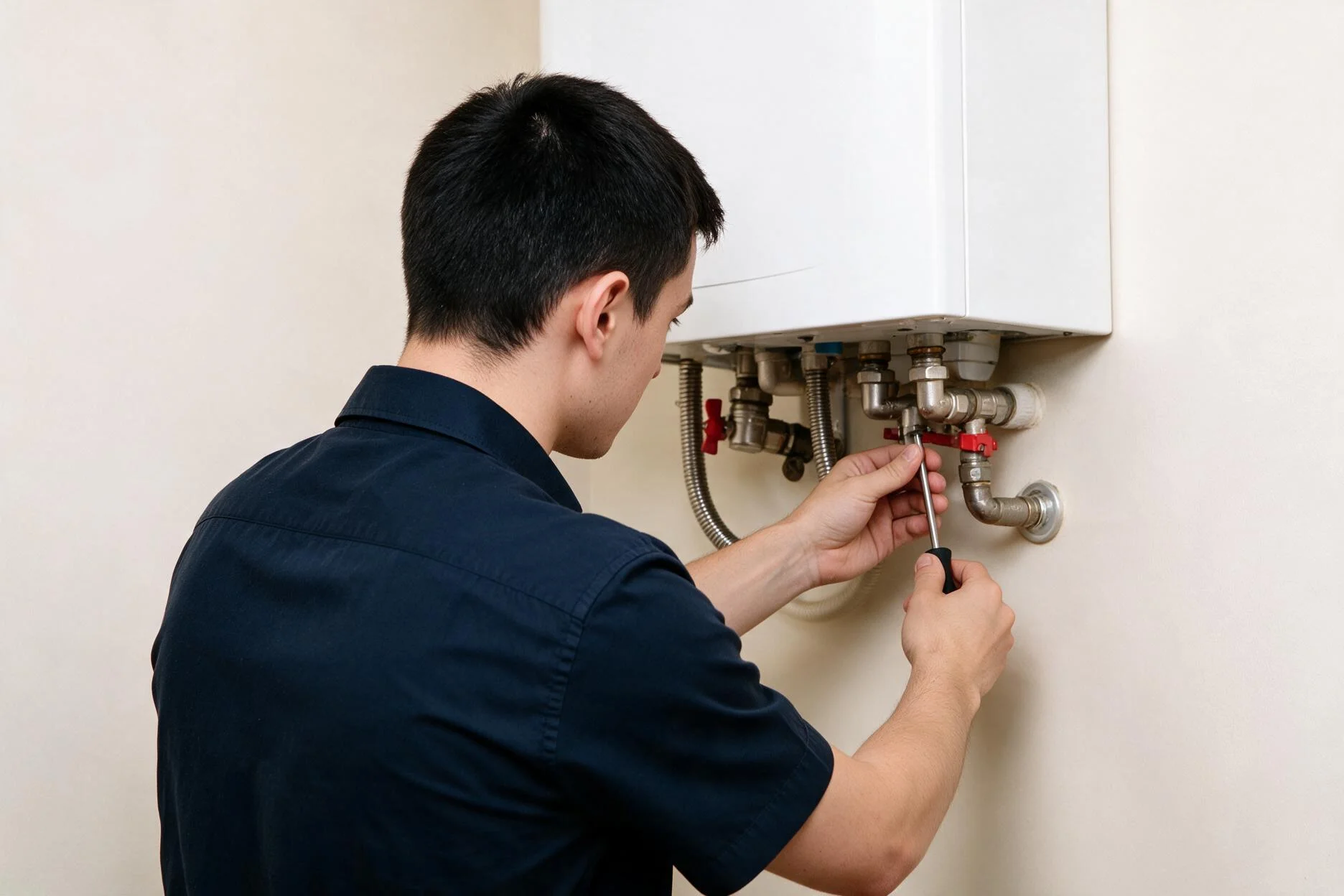
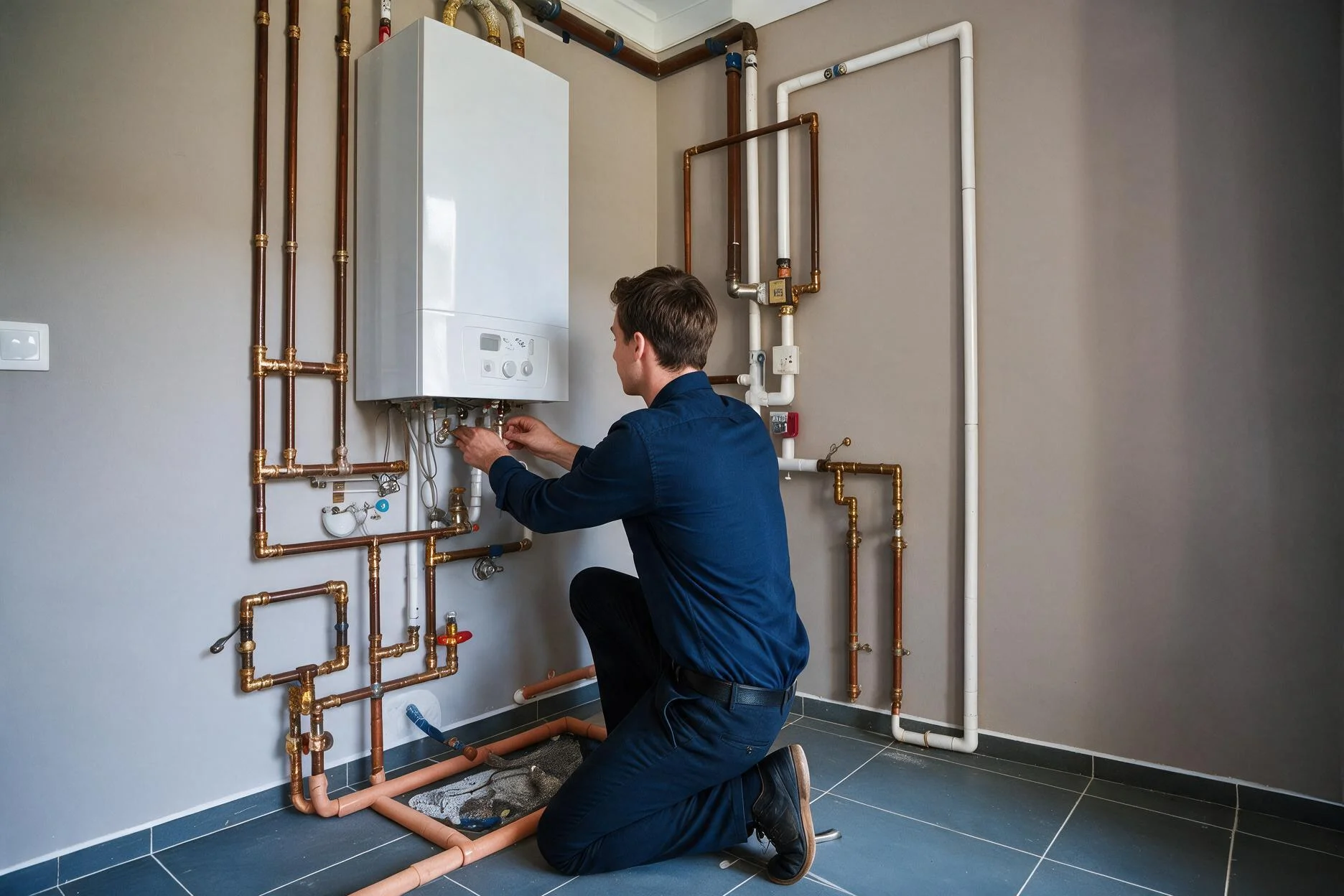
Which fuel powers your boiler?
Mains Gas
LPG
Other
At a glance
Understanding what influences pricing and how to plan effectively can help you avoid unexpected expenses and make informed decisions.
If you are planning a renovation and want a clear understanding of your heating upgrade options, you can speak to Kentish Plumbers for tailored advice.
Why upgrade your boiler during a renovation?
A renovation presents the ideal opportunity to review and improve your heating system. Rather than working around an outdated setup, you can design a system that suits your updated home.
Common reasons for upgrading include:
- Increasing the size of the property
- Improving energy efficiency
- Replacing an ageing or unreliable boiler
- Aligning with modern heating controls and systems
Addressing your boiler during the renovation stage often prevents costly changes later.
What is the average cost of a new boiler installation?
The cost of new gas boiler installation can vary widely depending on several factors, including the type of boiler and the complexity of the work involved.
|
Installation Type |
Typical Cost Range |
Suitable For |
|
Straight replacement |
£1,800 – £3,000 |
Minimal changes required |
|
System upgrade |
£2,500 – £4,500 |
Medium complexity |
|
Full system redesign |
£4,000 – £7,000+ |
Major renovations or layout changes |
These figures provide a general guide, but every project is different and should be assessed individually.
Which fuel powers your boiler?
Mains Gas
LPG
Other
It just takes 60 Seconds
And then you can book a free consultation
What factors influence the total cost?
Several elements can affect the final price of your boiler upgrade.
Key cost factors include:
- Type and size of the boiler
- Complexity of installation
- Changes to pipework and layout
- Additional components, such as radiators or controls
- Labour and project coordination
Understanding these variables helps you plan your budget more accurately.
Does renovation complexity increase boiler costs?
Yes, it often does. Renovations typically involve structural changes, which can make installation more complex.
Examples include:
- Relocating the boiler to a new position
- Adjusting pipework to suit a new layout
- Integrating heating into extended areas
- Coordinating with other trades
These factors can increase both time and labour costs, contributing to a higher cost of new gas boiler installation.
Is it cheaper to upgrade during or after renovation?
Upgrading during the renovation is usually more cost-effective than doing it afterwards.
Benefits of upgrading during the project:
- Easier access to pipework and installation areas
- Reduced labour duplication
- Better system integration
- Less disruption once the home is finished
Delaying the upgrade can lead to additional costs and inconvenience later on.
How can you budget effectively for a boiler upgrade?
Planning your budget carefully can help you avoid unexpected expenses.
Practical budgeting tips:
- Include a contingency for unforeseen work
- Get a detailed quote before starting
- Factor in both installation and ongoing running costs
- Consider long-term efficiency savings
Taking these steps ensures your renovation stays financially manageable.
What additional costs should you be aware of?
Beyond the boiler itself, there may be other expenses to consider.
Potential additional costs:
- Upgrading radiators
- Installing smart controls
- Improving insulation
- Flue adjustments or relocation
- System flushing and cleaning
These elements can enhance performance, but should be included in your overall budget.
Kentish Plumbers can provide a detailed breakdown of costs, helping you understand exactly what is involved in your project.
A typical scenario: Renovation with a heating upgrade
Imagine a homeowner carrying out a full ground-floor renovation, including an extension. The existing boiler is outdated and struggles to meet demand.
During the project:
- The boiler is relocated for better accessibility
- Additional radiators are installed
- Pipework is upgraded to suit the new layout
While this increases the upfront investment, the result is a more efficient and reliable system. In this case, the cost of new gas boiler installation is higher initially but delivers long-term value.
How can you reduce unnecessary costs?
While some costs are unavoidable, there are ways to keep your budget under control.
Cost-saving strategies:
- Plan the installation early in the project
- Avoid unnecessary system changes
- Choose the right boiler size
- Work with experienced professionals
Making informed decisions can help prevent overspending.
Does a new boiler add value to your home?
Yes, upgrading your boiler can positively impact your property’s value.
Benefits include:
- Improved energy efficiency ratings
- Increased buyer appeal
- Reduced maintenance concerns
- Modern, reliable heating system
These factors can make your home more attractive to potential buyers in the future.
How long does installation take during a renovation?
Installation time can vary depending on the complexity of the project.
Typical timelines:
- Simple replacement – 1 to 2 days
- Moderate upgrades – 2 to 4 days
- Full system redesign – several days to a week
Coordinating with your renovation schedule is essential to avoid delays.
FAQs
Upgrading your boiler during a renovation is an important decision that can influence both the comfort and efficiency of your home. While the upfront investment may seem significant, it often delivers long-term benefits in performance, reliability, and energy savings.
By understanding the factors that affect the cost of new gas boiler installation and planning carefully, you can ensure your renovation runs smoothly and stays within budget.
If you are preparing for a renovation and want expert advice, contact Kentish Plumbers to discuss your heating upgrade and receive a tailored quote for your project.
Related articles
Which fuel powers your boiler?
Mains Gas
LPG
Other