The Cost of Non-Compliant Boiler Installation (And How to Avoid It)
When installing a new heating system, safety and compliance should never be overlooked. Many homeowners focus on price alone, but choosing the cheapest installation without checking credentials can lead to serious problems later.

Why you can trust our content
We understand that the boiler industry can be confusing, with plenty of outdated or misleading information. That’s why we rely only on trusted, proven sources to guide our advice and installations:





At a glance
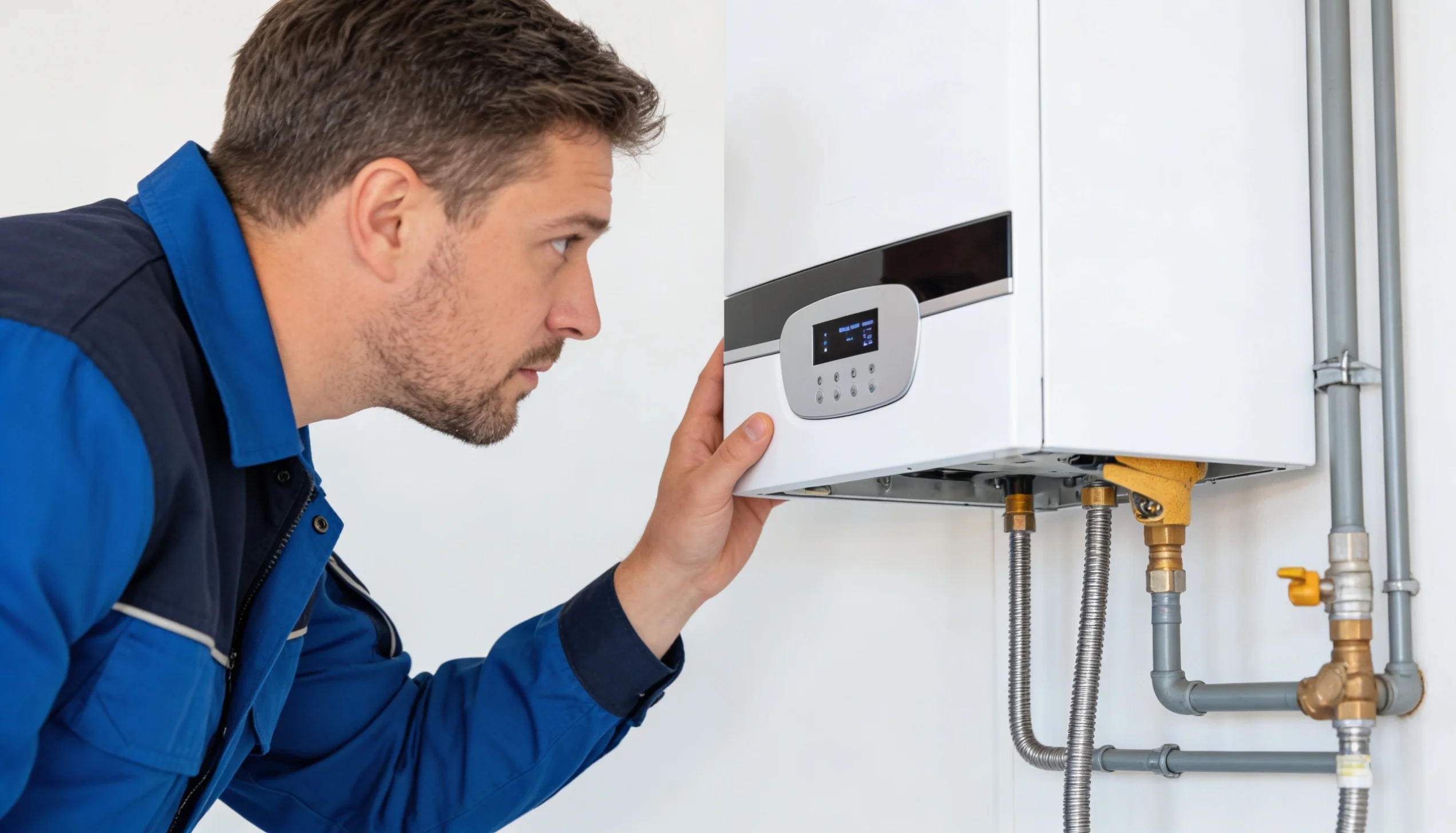
A boiler that is not installed correctly can cause safety risks, reduce efficiency, and increase long-term repair bills. In many cases, homeowners end up paying far more than they expected once problems begin to appear.
For households planning a new system, understanding how compliance affects boiler installation costs can help avoid unnecessary expense and ensure your home heating system works reliably for years.
If you are considering a new system and want clear advice, you can speak to the team at Kentish Plumbers for guidance before starting your installation.
What Does a Non-Compliant Boiler Installation Mean?
A non-compliant installation occurs when a boiler is fitted without following the regulations and safety standards required in the UK.
These standards exist to protect homeowners and ensure heating systems operate safely and efficiently. If the installation fails to meet these requirements, it may need corrective work or full replacement.
Common examples of non-compliant installations include:
- Boilers fitted by engineers who are not Gas Safe registered
- Incorrect flue positioning
- Poor ventilation for combustion
- Improper pipework connections
- Missing safety checks and certification
These issues can create serious risks, including carbon monoxide exposure or system failure.
How Can Non-Compliance Increase Installation Costs?
At first glance, a cheaper installation may seem appealing. However, if the work is not completed correctly, the cost for boiler installation can quickly rise due to repairs, inspections, or replacement work.
Homeowners may face several unexpected expenses:
- Additional engineering work to correct mistakes
- Replacement components due to poor installation
- Inspection fees from qualified engineers
- Reduced boiler lifespan, leading to early replacement
In many cases, the total boiler installation costs become significantly higher than if the work had been completed properly from the beginning.
Warning Signs of a Poor Installation
Not all problems appear immediately after a new boiler is fitted. Some warning signs may develop over time.
Homeowners should watch for the following issues:
- Unusual noises from the boiler
- Inconsistent heating or hot water
- Pressure drops in the system
- Visible leaks around pipework
- Flue pipes positioned incorrectly outside the property
If any of these problems occur, it is important to have the system checked by a qualified professional as soon as possible.
Which fuel powers your boiler?

Mains Gas

LPG

Other
It just takes 60 Seconds
And then you can book a free consultation
The Hidden Financial Impact of Non-Compliant Work
Beyond the initial repair costs, non-compliant installations can also affect homeowners in other ways.
| Issue | Potential Impact | Long-Term Cost |
| Invalid Warranty | Manufacturer may refuse repair coverage | Expensive repair bills |
| Safety Risks | Carbon monoxide hazards | Emergency repair work |
| Reduced Efficiency | Higher energy usage | Increased heating bills |
| Property Sale Issues | Missing compliance documentation | Delays or legal issues |
When homeowners review the full picture, it becomes clear that saving money on the initial installation can sometimes result in higher overall boiler installation costs.
Why Does Certification Matter?
A properly installed boiler must always be certified by a Gas Safe registered engineer. This certification confirms the system has been installed safely and in line with UK regulations.
Without this documentation, homeowners may encounter problems when:
- Making warranty claims
- Arranging property surveys
- Selling their home
- Requesting insurance cover for heating systems
Certification also provides peace of mind that the system has passed important safety checks.
Can a Non-Compliant Installation Be Corrected?
In some cases, it is possible to bring a boiler installation up to standard. However, this depends on the severity of the issues.
Corrective work may involve:
- Repositioning the flue
- Replacing pipework connections
- Installing additional ventilation
- Conducting full system safety tests
If the installation problems are severe, the safest option may be a full system replacement. This can increase the overall cost for boiler installation, which is why ensuring compliance from the start is always the best approach.
If you are unsure whether your existing boiler was installed correctly, Kentish Plumbers can assess your system and advise on the safest next steps.
How Can Homeowners Avoid These Problems?
Preventing non-compliant installation is much easier than fixing the problem later. A few simple checks can help homeowners choose the right installer.
Before booking any work, consider the following:
- Confirm the engineer is Gas Safe registered
- Ask for proof of previous installation experience
- Request a written quote explaining the work involved
- Check that the building regulations certification will be provided
- Read reviews from local customers
Taking these steps can protect homeowners from hidden problems and help ensure installation standards are met.
Case Example: A Common Installation Problem
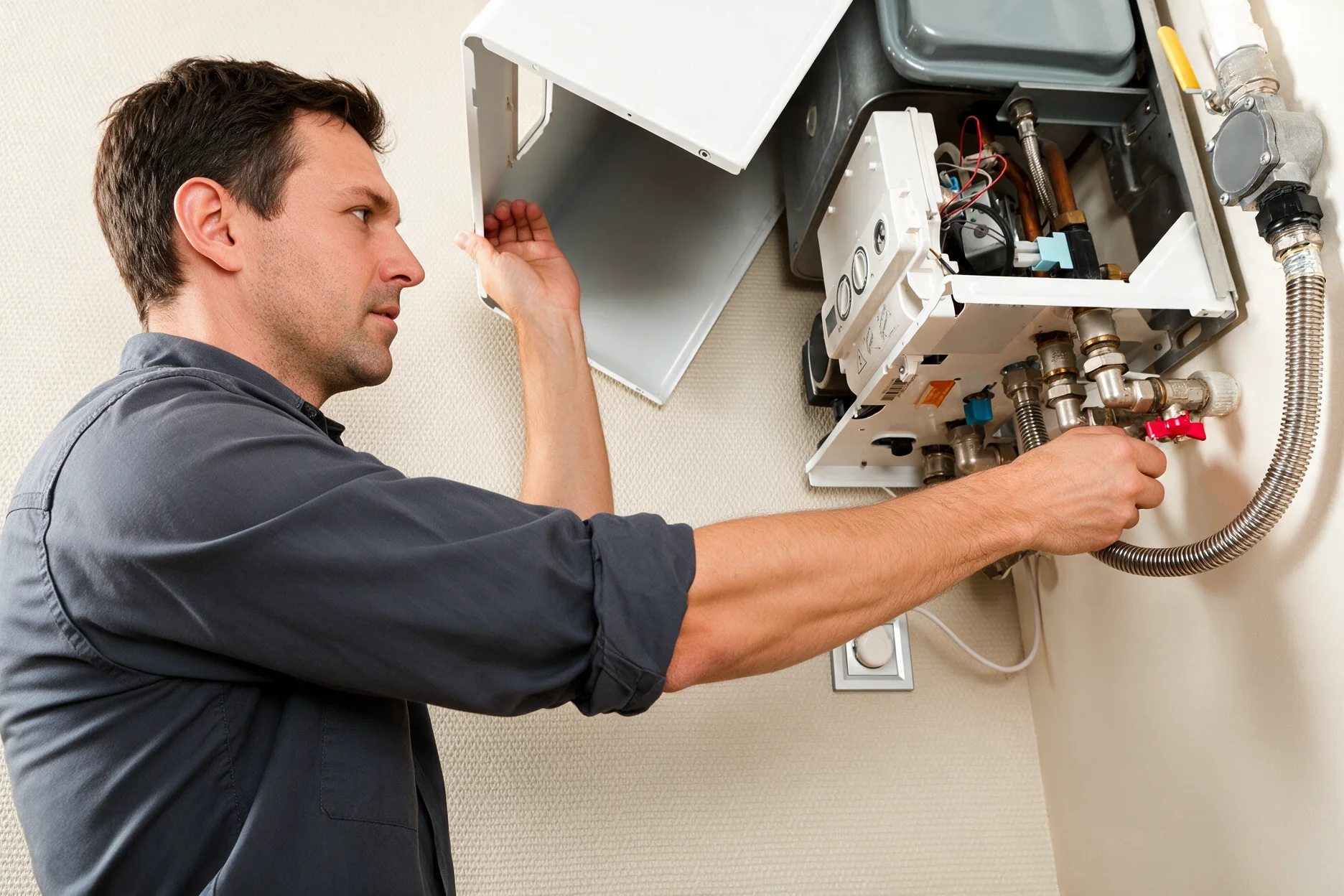
A homeowner in Tunbridge Wells recently discovered their boiler had been installed incorrectly by an unqualified contractor. The system initially worked but began losing pressure and producing unusual noises.
After inspection by a qualified engineer, it became clear that the flue had been fitted incorrectly and several safety checks had been skipped.
Correcting the installation required new pipework and additional testing. In the end, the homeowner paid far more than the original quote, highlighting how non-compliant work can increase overall boiler installation costs.
FAQs
Choosing Safe and Compliant Boiler Installation
A reliable heating system starts with a professional installation that follows all safety and regulatory standards. While it can be tempting to focus on the cheapest quote, non-compliant work often leads to higher long-term expenses and unnecessary stress.
Understanding how installation standards affect both safety and boiler installation costs allows homeowners to make informed decisions when upgrading their heating systems.
The experienced team at Kentish Plumbers focuses on safe, compliant installations that protect both your home and your heating investment.
If you are planning a new boiler or replacing an existing system, you can contact Kentish Plumbers to request professional advice or a detailed installation quote.
Related articles

Which fuel powers your boiler?
Mains Gas
LPG
Other
At a glance
A boiler that is not installed correctly can cause safety risks, reduce efficiency, and increase long-term repair bills. In many cases, homeowners end up paying far more than they expected once problems begin to appear.
For households planning a new system, understanding how compliance affects boiler installation costs can help avoid unnecessary expense and ensure your home heating system works reliably for years.
If you are considering a new system and want clear advice, you can speak to the team at Kentish Plumbers for guidance before starting your installation.
What Does a Non-Compliant Boiler Installation Mean?
A non-compliant installation occurs when a boiler is fitted without following the regulations and safety standards required in the UK.
These standards exist to protect homeowners and ensure heating systems operate safely and efficiently. If the installation fails to meet these requirements, it may need corrective work or full replacement.
Common examples of non-compliant installations include:
- Boilers fitted by engineers who are not Gas Safe registered
- Incorrect flue positioning
- Poor ventilation for combustion
- Improper pipework connections
- Missing safety checks and certification
These issues can create serious risks, including carbon monoxide exposure or system failure.
How Can Non-Compliance Increase Installation Costs?
At first glance, a cheaper installation may seem appealing. However, if the work is not completed correctly, the cost for boiler installation can quickly rise due to repairs, inspections, or replacement work.
Homeowners may face several unexpected expenses:
- Additional engineering work to correct mistakes
- Replacement components due to poor installation
- Inspection fees from qualified engineers
- Reduced boiler lifespan, leading to early replacement
In many cases, the total boiler installation costs become significantly higher than if the work had been completed properly from the beginning.
Warning Signs of a Poor Installation
Not all problems appear immediately after a new boiler is fitted. Some warning signs may develop over time.
Homeowners should watch for the following issues:
- Unusual noises from the boiler
- Inconsistent heating or hot water
- Pressure drops in the system
- Visible leaks around pipework
- Flue pipes positioned incorrectly outside the property
If any of these problems occur, it is important to have the system checked by a qualified professional as soon as possible.
Which fuel powers your boiler?
Mains Gas
LPG
Other
It just takes 60 Seconds
And then you can book a free consultation
The Hidden Financial Impact of Non-Compliant Work
Beyond the initial repair costs, non-compliant installations can also affect homeowners in other ways.
| Issue | Potential Impact | Long-Term Cost |
| Invalid Warranty | Manufacturer may refuse repair coverage | Expensive repair bills |
| Safety Risks | Carbon monoxide hazards | Emergency repair work |
| Reduced Efficiency | Higher energy usage | Increased heating bills |
| Property Sale Issues | Missing compliance documentation | Delays or legal issues |
When homeowners review the full picture, it becomes clear that saving money on the initial installation can sometimes result in higher overall boiler installation costs.
Why Does Certification Matter?
A properly installed boiler must always be certified by a Gas Safe registered engineer. This certification confirms the system has been installed safely and in line with UK regulations.
Without this documentation, homeowners may encounter problems when:
- Making warranty claims
- Arranging property surveys
- Selling their home
- Requesting insurance cover for heating systems
Certification also provides peace of mind that the system has passed important safety checks.
Can a Non-Compliant Installation Be Corrected?
In some cases, it is possible to bring a boiler installation up to standard. However, this depends on the severity of the issues.
Corrective work may involve:
- Repositioning the flue
- Replacing pipework connections
- Installing additional ventilation
- Conducting full system safety tests
If the installation problems are severe, the safest option may be a full system replacement. This can increase the overall cost for boiler installation, which is why ensuring compliance from the start is always the best approach.
If you are unsure whether your existing boiler was installed correctly, Kentish Plumbers can assess your system and advise on the safest next steps.
How Can Homeowners Avoid These Problems?
Preventing non-compliant installation is much easier than fixing the problem later. A few simple checks can help homeowners choose the right installer.
Before booking any work, consider the following:
- Confirm the engineer is Gas Safe registered
- Ask for proof of previous installation experience
- Request a written quote explaining the work involved
- Check that the building regulations certification will be provided
- Read reviews from local customers
Taking these steps can protect homeowners from hidden problems and help ensure installation standards are met.
Case Example: A Common Installation Problem
A homeowner in Tunbridge Wells recently discovered their boiler had been installed incorrectly by an unqualified contractor. The system initially worked but began losing pressure and producing unusual noises.
After inspection by a qualified engineer, it became clear that the flue had been fitted incorrectly and several safety checks had been skipped.
Correcting the installation required new pipework and additional testing. In the end, the homeowner paid far more than the original quote, highlighting how non-compliant work can increase overall boiler installation costs.
FAQs
Choosing Safe and Compliant Boiler Installation
A reliable heating system starts with a professional installation that follows all safety and regulatory standards. While it can be tempting to focus on the cheapest quote, non-compliant work often leads to higher long-term expenses and unnecessary stress.
Understanding how installation standards affect both safety and boiler installation costs allows homeowners to make informed decisions when upgrading their heating systems.
The experienced team at Kentish Plumbers focuses on safe, compliant installations that protect both your home and your heating investment.
If you are planning a new boiler or replacing an existing system, you can contact Kentish Plumbers to request professional advice or a detailed installation quote.
Related articles
Which fuel powers your boiler?
Mains Gas
LPG
Other