
Smart Heating Controls: The Next Step After a New Boiler Installation?
Upgrading your boiler is a major step towards a warmer, more energy-efficient home. For many homeowners, however, the real gains come after the boiler is fitted, when smart heating controls are introduced to fine-tune how heat is used day to day.

Why you can trust our content
We understand that the boiler industry can be confusing, with plenty of outdated or misleading information. That’s why we rely only on trusted, proven sources to guide our advice and installations:




At a glance
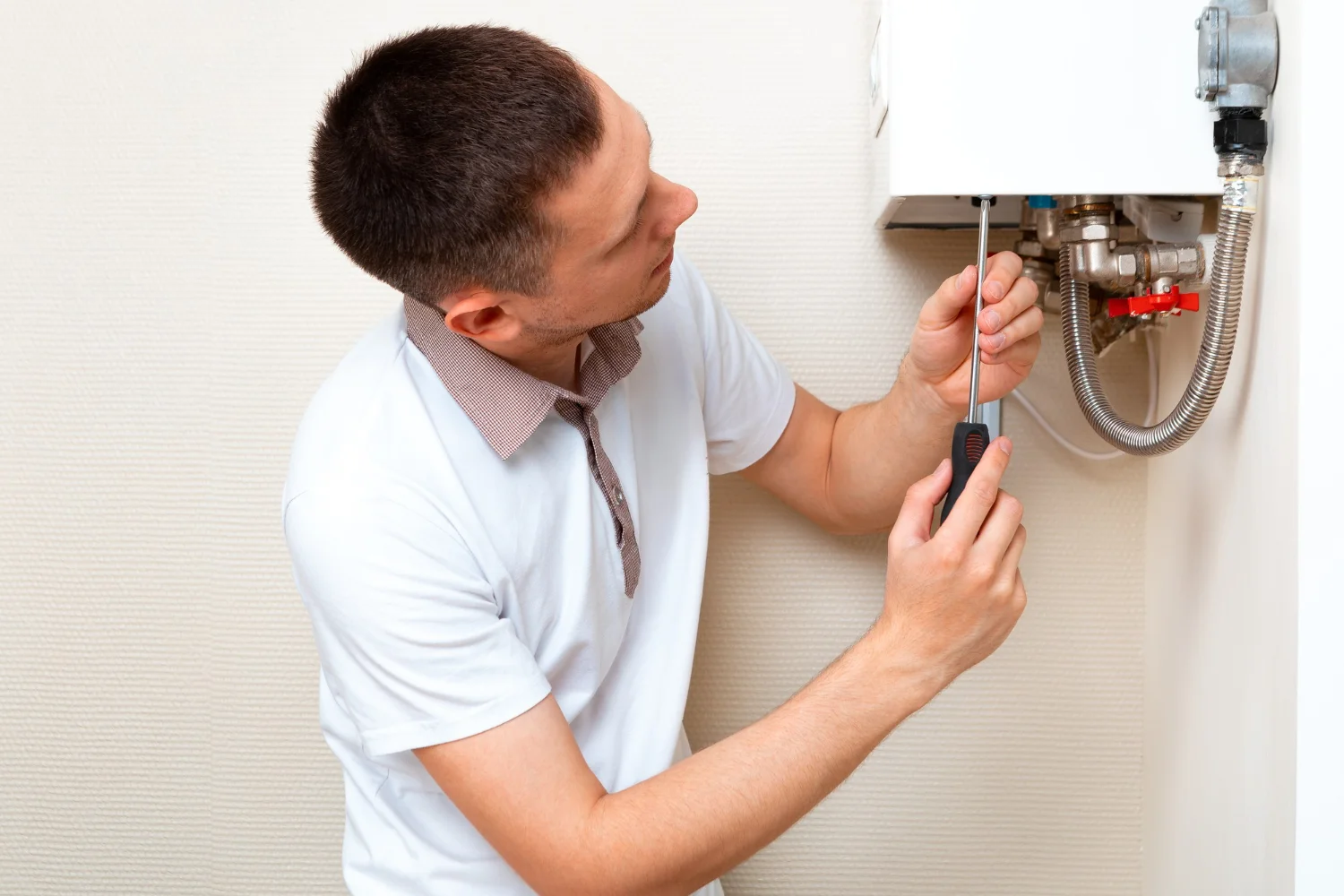
If you have recently invested in a modern system or are planning a boiler installation in Tunbridge Wells, understanding smart controls can help you get the best possible performance from your new setup. This guide explains how smart heating works, why it matters, and how it fits naturally with today’s boilers.
What are smart heating controls?
Smart heating controls are devices that allow you to manage your heating more precisely than traditional timers and thermostats. They typically connect to your boiler and can be adjusted via a smartphone app, tablet, or smart home hub.
Rather than heating the whole house on a fixed schedule, smart systems respond to your lifestyle, room temperatures, and even external weather conditions. This flexibility is why they are increasingly recommended alongside modern boiler upgrades.
Common components include:
- Smart thermostats
- Zoned heating controls
- Smart radiator valves
- Internet-connected control hubs
Which fuel powers your boiler?

Mains Gas

LPG

Other
It just takes 60 Seconds
And then you can book a free consultation
Why should you upgrade controls after a new boiler installation?
Many boilers are installed with basic controls that meet minimum standards but do not fully exploit the boiler’s capabilities. Adding smart controls afterwards can unlock greater efficiency and comfort without replacing the boiler itself.
Key benefits include:
- Better control over individual rooms
- Reduced energy waste
- Improved comfort at different times of day
- Clear visibility of energy usage
For households in Kent, where property styles range from period homes to newer developments, smart controls adapt far better than one-size-fits-all timers.
How do smart controls improve energy efficiency?
Smart heating systems reduce energy waste by heating only when and where it is needed. Instead of running the boiler at full output on a rigid schedule, the system learns patterns and adjusts automatically.
Efficiency improvements often come from:
- Avoiding overheating unused rooms
- Lowering temperatures when the home is empty
- Optimising boiler flow temperatures
- Responding to weather changes
Over time, this leads to measurable savings without sacrificing comfort. While savings vary by household, many homeowners see noticeable reductions in consumption within the first year.
Can smart controls work with any boiler?
Most modern boilers installed over the last decade are compatible with smart controls. This includes combi, system, and regular boilers commonly used across Tunbridge Wells and the wider Kent area.
However, compatibility depends on:
- Boiler make and model
- Existing wiring and controls
- Heating system layout
If your system was installed as part of a recent gas boiler installation Tunbridge Wells homeowners typically benefit from wide compatibility, as newer boilers are designed with smart integration in mind.
Smart controls vs traditional thermostats – What is the difference?
The table below highlights how smart heating controls compare with older systems:
Feature | Traditional Thermostat | Smart Heating Controls |
Remote access | No | Yes |
Room-by-room control | No | Yes |
Learning schedules | No | Yes |
Energy usage insights | No | Yes |
Integration with smart homes | Limited | Extensive |
This added intelligence is what allows smart systems to deliver ongoing efficiency improvements long after installation.
Are smart heating controls worth the extra cost?
Smart controls do require an upfront investment, but they are often far less expensive than replacing major heating components. When viewed alongside boiler installation costs, controls typically represent a small percentage of the overall spend.
They are often worthwhile if:
- You want greater control over heating patterns
- Your household routine varies day to day
- You are looking to reduce unnecessary energy use
- Your property has multiple living spaces
Many homeowners see smart controls as a logical extension of their boiler upgrade rather than an optional extra.
Do smart controls help with future-proofing your home?
Heating technology continues to evolve, and smart controls help prepare your home for future changes. Many systems can integrate with:
- Heat pumps and hybrid systems
- Solar and renewable technologies
- Smart meters and energy tariffs
This flexibility makes them a sensible addition for homeowners planning long-term efficiency improvements.
Typical Tunbridge Wells scenario – Smart controls in action
A common example involves a family living in a Victorian terrace with varying room usage throughout the day. After a new boiler was installed, they found that the home still felt unevenly heated.
By adding smart radiator valves and zoned controls, they were able to:
- Keep bedrooms cooler during the day
- Warm living spaces only when in use
- Reduce heating output during school hours
The result was a more comfortable home and better control over running costs without changing the boiler itself.
When is the best time to install smart heating controls?
Smart controls can be fitted at the same time as a boiler upgrade or added later. Many homeowners choose to install them shortly after their boiler installation in Tunbridge Wells once they are familiar with the new system.
The best time is usually when:
- Controls need upgrading anyway
- You are redecorating or making home improvements
- You want to maximise efficiency before winter
How do smart controls affect boiler servicing and maintenance?
Smart heating systems can actually support better maintenance by providing clear data on system performance. Some controls alert homeowners to unusual behaviour, helping issues be identified earlier.
They do not replace servicing, but they can complement it by ensuring your boiler operates efficiently between annual checks.
Choosing the right installer for smart heating upgrades
Correct installation and setup are essential. Poor configuration can reduce the benefits of even the best smart system.
A qualified installer will:
- Assess your property layout
- Match controls to your boiler
- Configure zones correctly
- Explain how to use the system effectively
When working with an experienced gas boiler installation Tunbridge Wells provider, controls are selected and set up to suit real-world usage, not just technical specifications.
FAQs
A smarter way to get more from your heating
A new boiler is a solid investment, but smart heating controls help you get the most from it every day. They improve comfort, reduce waste, and give you real control over how your home is heated.
Kentish Plumbers regularly supports homeowners looking to enhance their systems after installation, ensuring everything works together efficiently and reliably.
Related articles
Which fuel powers your boiler?
Mains Gas
LPG
Other
At a glance
If you have recently invested in a modern system or are planning a boiler installation in Tunbridge Wells, understanding smart controls can help you get the best possible performance from your new setup. This guide explains how smart heating works, why it matters, and how it fits naturally with today’s boilers.
What are smart heating controls?
Smart heating controls are devices that allow you to manage your heating more precisely than traditional timers and thermostats. They typically connect to your boiler and can be adjusted via a smartphone app, tablet, or smart home hub.
Rather than heating the whole house on a fixed schedule, smart systems respond to your lifestyle, room temperatures, and even external weather conditions. This flexibility is why they are increasingly recommended alongside modern boiler upgrades.
Common components include:
- Smart thermostats
- Zoned heating controls
- Smart radiator valves
- Internet-connected control hubs
Which fuel powers your boiler?
Mains Gas
LPG
Other
It just takes 60 Seconds
And then you can book a free consultation
Why should you upgrade controls after a new boiler installation?
Many boilers are installed with basic controls that meet minimum standards but do not fully exploit the boiler’s capabilities. Adding smart controls afterwards can unlock greater efficiency and comfort without replacing the boiler itself.
Key benefits include:
- Better control over individual rooms
- Reduced energy waste
- Improved comfort at different times of day
- Clear visibility of energy usage
For households in Kent, where property styles range from period homes to newer developments, smart controls adapt far better than one-size-fits-all timers.
How do smart controls improve energy efficiency?
Smart heating systems reduce energy waste by heating only when and where it is needed. Instead of running the boiler at full output on a rigid schedule, the system learns patterns and adjusts automatically.
Efficiency improvements often come from:
- Avoiding overheating unused rooms
- Lowering temperatures when the home is empty
- Optimising boiler flow temperatures
- Responding to weather changes
Over time, this leads to measurable savings without sacrificing comfort. While savings vary by household, many homeowners see noticeable reductions in consumption within the first year.
Can smart controls work with any boiler?
Most modern boilers installed over the last decade are compatible with smart controls. This includes combi, system, and regular boilers commonly used across Tunbridge Wells and the wider Kent area.
However, compatibility depends on:
- Boiler make and model
- Existing wiring and controls
- Heating system layout
If your system was installed as part of a recent gas boiler installation Tunbridge Wells homeowners typically benefit from wide compatibility, as newer boilers are designed with smart integration in mind.
Smart controls vs traditional thermostats – What is the difference?
The table below highlights how smart heating controls compare with older systems:
Feature | Traditional Thermostat | Smart Heating Controls |
Remote access | No | Yes |
Room-by-room control | No | Yes |
Learning schedules | No | Yes |
Energy usage insights | No | Yes |
Integration with smart homes | Limited | Extensive |
This added intelligence is what allows smart systems to deliver ongoing efficiency improvements long after installation.
Are smart heating controls worth the extra cost?
Smart controls do require an upfront investment, but they are often far less expensive than replacing major heating components. When viewed alongside boiler installation costs, controls typically represent a small percentage of the overall spend.
They are often worthwhile if:
- You want greater control over heating patterns
- Your household routine varies day to day
- You are looking to reduce unnecessary energy use
- Your property has multiple living spaces
Many homeowners see smart controls as a logical extension of their boiler upgrade rather than an optional extra.
Do smart controls help with future-proofing your home?
Heating technology continues to evolve, and smart controls help prepare your home for future changes. Many systems can integrate with:
- Heat pumps and hybrid systems
- Solar and renewable technologies
- Smart meters and energy tariffs
This flexibility makes them a sensible addition for homeowners planning long-term efficiency improvements.
Typical Tunbridge Wells scenario – Smart controls in action
A common example involves a family living in a Victorian terrace with varying room usage throughout the day. After a new boiler was installed, they found that the home still felt unevenly heated.
By adding smart radiator valves and zoned controls, they were able to:
- Keep bedrooms cooler during the day
- Warm living spaces only when in use
- Reduce heating output during school hours
The result was a more comfortable home and better control over running costs without changing the boiler itself.
When is the best time to install smart heating controls?
Smart controls can be fitted at the same time as a boiler upgrade or added later. Many homeowners choose to install them shortly after their boiler installation in Tunbridge Wells once they are familiar with the new system.
The best time is usually when:
- Controls need upgrading anyway
- You are redecorating or making home improvements
- You want to maximise efficiency before winter
How do smart controls affect boiler servicing and maintenance?
Smart heating systems can actually support better maintenance by providing clear data on system performance. Some controls alert homeowners to unusual behaviour, helping issues be identified earlier.
They do not replace servicing, but they can complement it by ensuring your boiler operates efficiently between annual checks.
Choosing the right installer for smart heating upgrades
Correct installation and setup are essential. Poor configuration can reduce the benefits of even the best smart system.
A qualified installer will:
- Assess your property layout
- Match controls to your boiler
- Configure zones correctly
- Explain how to use the system effectively
When working with an experienced gas boiler installation Tunbridge Wells provider, controls are selected and set up to suit real-world usage, not just technical specifications.
FAQs
A smarter way to get more from your heating
A new boiler is a solid investment, but smart heating controls help you get the most from it every day. They improve comfort, reduce waste, and give you real control over how your home is heated.
Kentish Plumbers regularly supports homeowners looking to enhance their systems after installation, ensuring everything works together efficiently and reliably.
Related articles
Which fuel powers your boiler?
Mains Gas
LPG
Other


