
Servicing, Cover, and Care Plans That Work for Kent Homes
Boilers are one of the most relied-upon systems in any home. They provide heating during colder months and ensure hot water is available whenever it is needed. Because of this, maintaining a boiler properly is essential for both comfort and safety.

Why you can trust our content
We understand that the boiler industry can be confusing, with plenty of outdated or misleading information. That’s why we rely only on trusted, proven sources to guide our advice and installations:






At a glance
For homeowners across Kent, combining regular servicing with a suitable care plan can help prevent unexpected breakdowns and keep heating systems running efficiently. These plans also help households manage maintenance expenses more effectively, reducing the likelihood of sudden repair bills.
Understanding how servicing and cover plans work can also help homeowners better evaluate boiler installation costs when planning a heating upgrade or replacement.
If you would like guidance on protecting your heating system, you can contact the Kentish Plumbers team to discuss servicing and boiler care plans.
Why Are Boiler Servicing and Care Plans Important?
A boiler is a complex appliance with many internal components working together. Over time, parts can wear down, accumulate debris, or require adjustment.
Regular servicing and care plans help:
- Maintain boiler efficiency
- Detect early signs of faults
- Improve system reliability
- Maintain manufacturer warranties
- Reduce the likelihood of unexpected breakdowns
Without routine maintenance, small issues can gradually develop into more serious problems that require costly repairs.
What Does an Annual Boiler Service Include?
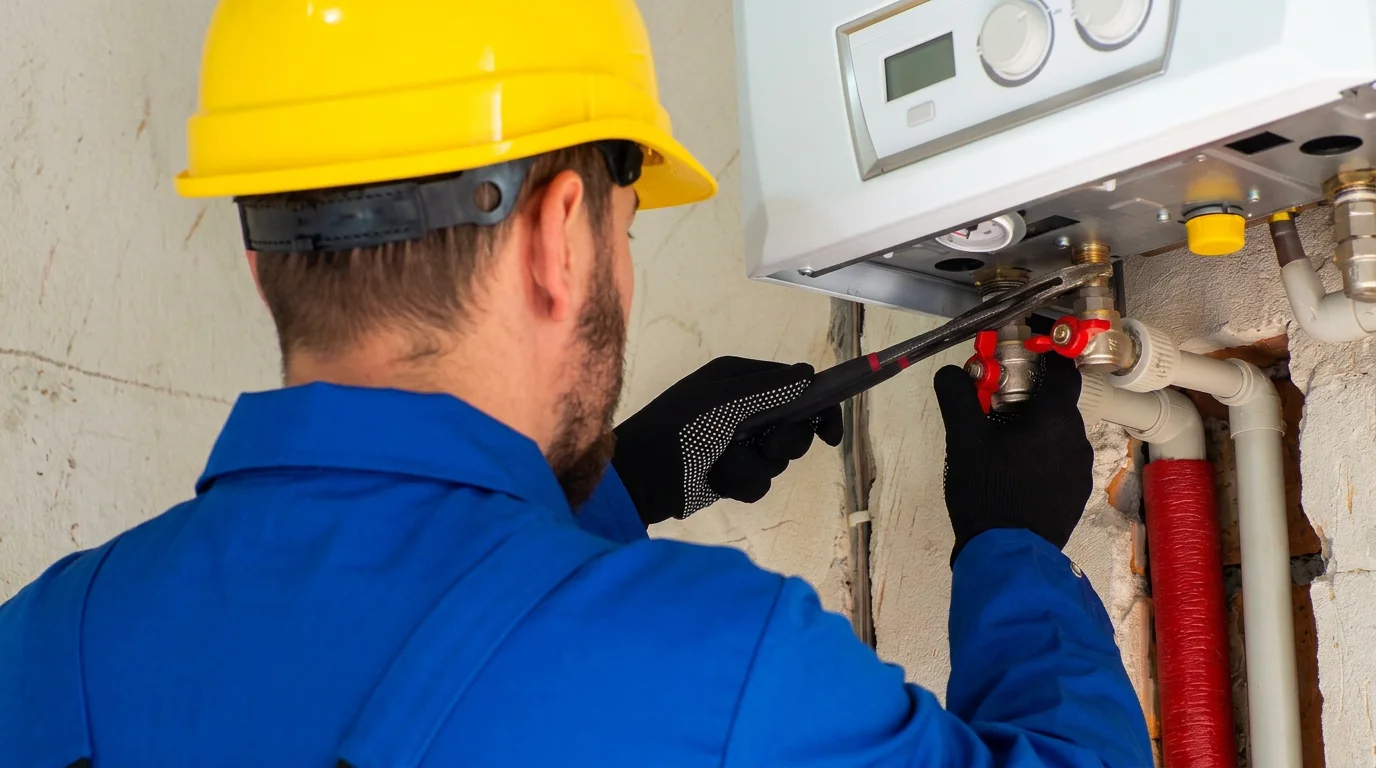
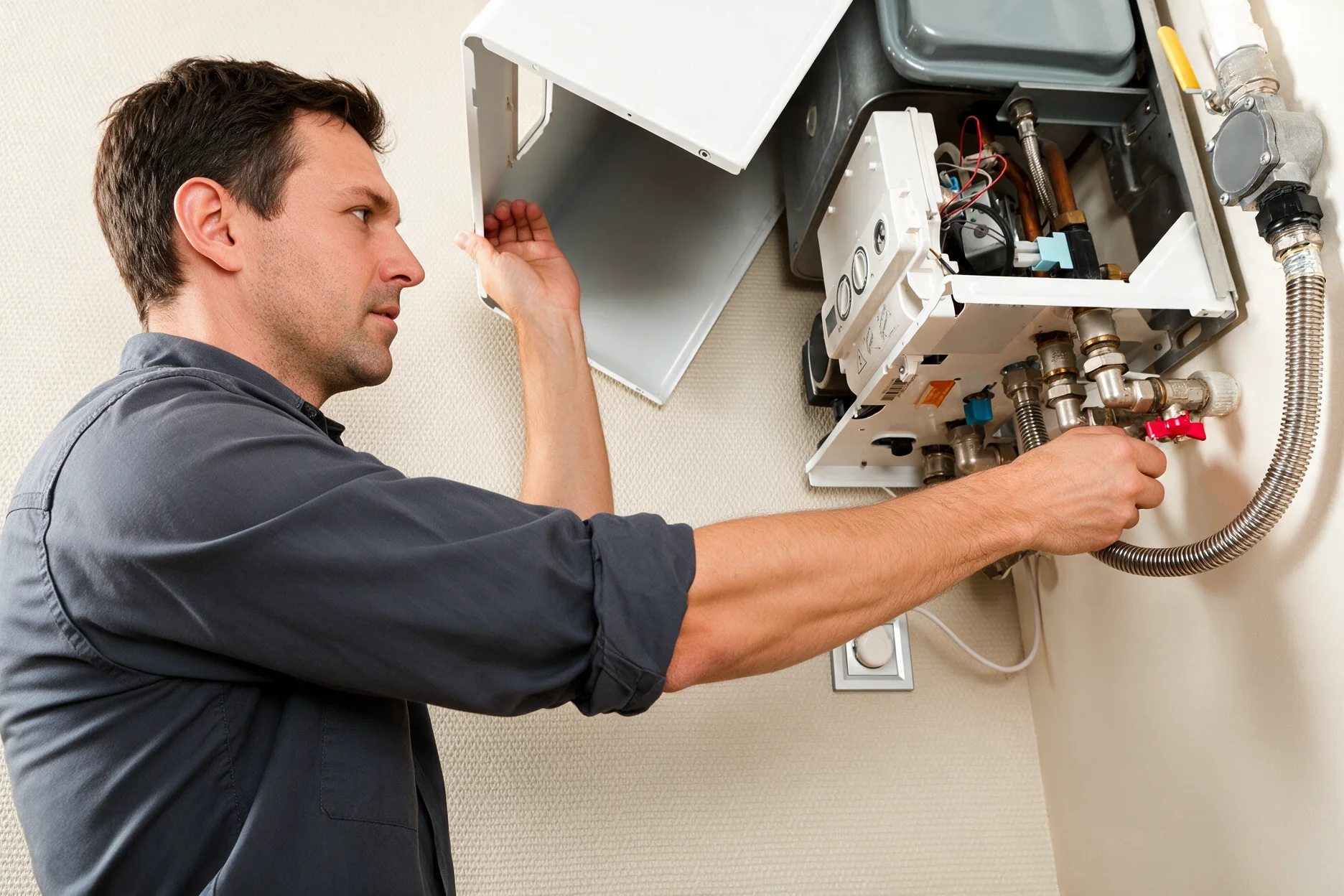
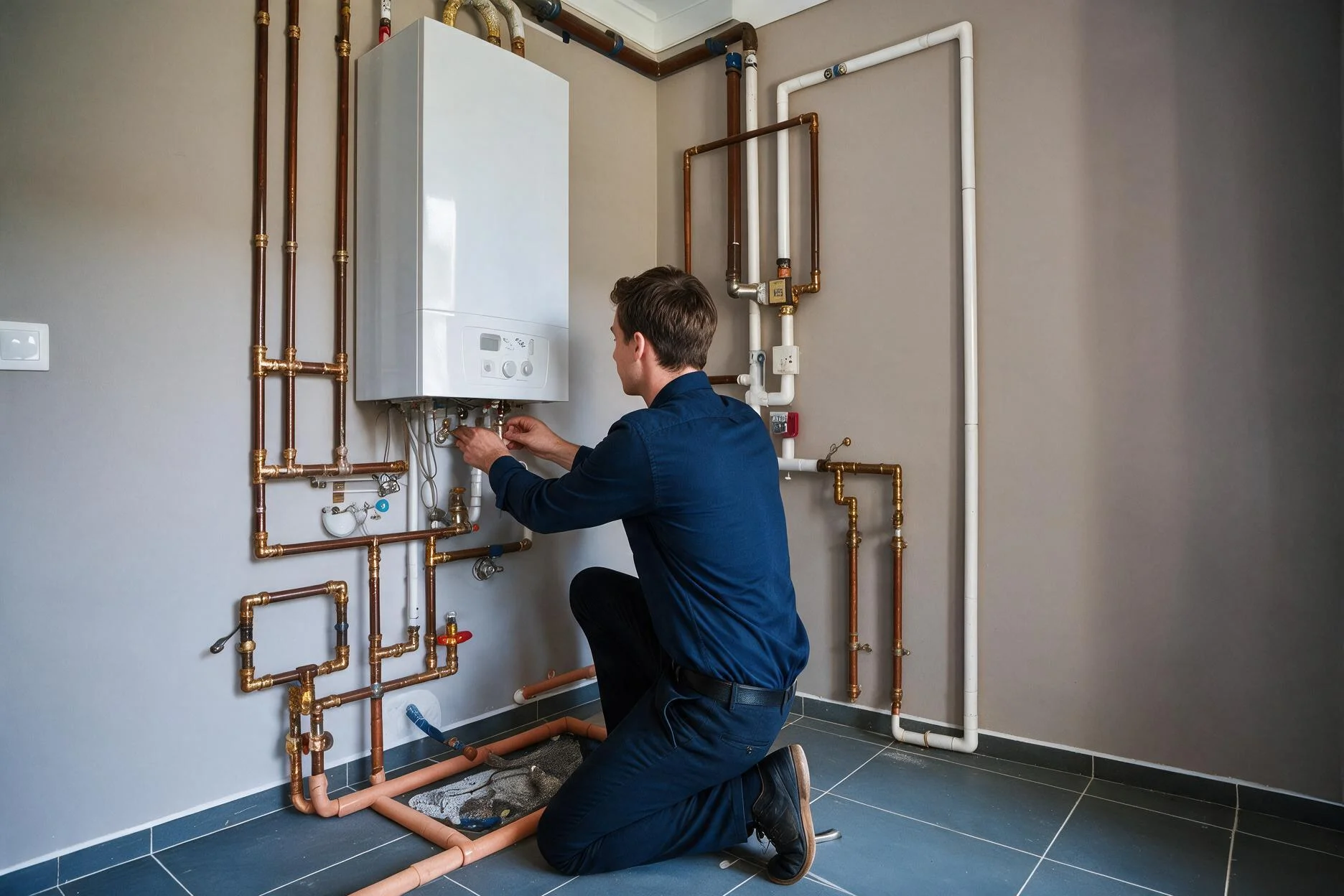
An annual service involves a comprehensive inspection of the heating system. Engineers assess the boiler’s internal components and ensure the system is operating safely and efficiently.
Typical servicing tasks include:
- Inspecting internal boiler components
- Cleaning key parts where necessary
- Testing gas pressure levels
- Checking emissions and safety controls
- Confirming the system operates correctly
Regular servicing helps ensure that the boiler continues operating safely throughout the year.
How Do Boiler Care Plans Work?
Boiler care plans provide homeowners with ongoing support for their heating system. Instead of arranging services and repairs separately, homeowners can access a structured maintenance plan.
Most care plans include:
- Annual boiler servicing
- Priority access to engineers
- Fault diagnosis if problems occur
- Labour coverage for certain repairs
- Safety inspections
These plans help homeowners maintain their heating system without worrying about organising individual services each year.
Which fuel powers your boiler?

Mains Gas

LPG

Other
It just takes 60 Seconds
And then you can book a free consultation
Table: Servicing vs Boiler Care Plans
|
Feature |
Annual Servicing Only |
Boiler Care Plan |
|
Annual safety inspection |
Included |
Included |
|
Cleaning and efficiency checks |
Included |
Included |
|
Priority engineer call-out |
Not usually included |
Included |
|
Labour for repairs |
Separate cost |
Often included |
|
Ongoing system monitoring |
Limited |
Ongoing support |
This comparison shows why many homeowners prefer a structured care plan for long-term heating maintenance.
Do Care Plans Help Manage Heating Expenses?
Many homeowners focus primarily on the cost of new gas boiler installation when planning a heating upgrade. While installation costs are important, ongoing maintenance also plays a key role in long-term affordability.
Care plans can help manage costs by:
- Preventing major breakdowns through early detection
- Spreading servicing expenses across the year
- Reducing labour costs for certain repairs
- Maintaining energy efficiency
By preventing small issues from developing into larger faults, homeowners can avoid unexpected repair expenses.
What Factors Influence Boiler Installation Costs?
If a boiler eventually needs replacing, installation costs will depend on several factors. Understanding these variables helps homeowners plan more effectively.
Key factors affecting boiler installation costs include:
- Type of boiler selected
- Complexity of the installation
- Pipework modifications required
- Heating system upgrades
- Labour time required
Every property is different, so obtaining professional advice can help determine the most suitable system and installation approach.
Why Maintenance Matters After Installation
Once a new boiler has been installed, proper maintenance becomes essential for maintaining performance and reliability.
Even modern boilers require:
- Annual servicing
- Monitoring of system pressure
- Periodic radiator maintenance
- Inspection of controls and thermostats
Without maintenance, efficiency can gradually decline, and components may fail earlier than expected.
Regular servicing helps protect the investment homeowners make when evaluating boiler installation costs.
Example Scenario: Maintaining a Boiler in a Kent Home
Imagine a homeowner living in a semi-detached property in Kent with a boiler that was installed several years ago.
Initially, the system performs well. However, without regular servicing, minor issues begin to develop. The homeowner eventually notices uneven heating and rising energy bills.
After arranging a professional service, the engineer identifies blocked components and pressure irregularities. Once corrected, the boiler returns to efficient operation.
Situations like this highlight the importance of regular maintenance and the value of having a structured care plan in place.
Can Care Plans Extend Boiler Lifespan?
Yes. Regular servicing and early fault detection can significantly extend the lifespan of a boiler.
Benefits of ongoing maintenance include:
- Reduced strain on internal components
- Improved heating efficiency
- Fewer emergency breakdowns
- Consistent heating performance
When homeowners properly maintain their system, boilers can operate reliably for many years.
How Do Homeowners Compare Heating Costs?
When planning a boiler replacement, many households compare several financial factors.
These often include:
- Boiler prices and installation from different installers
- Energy efficiency improvements
- Long-term maintenance requirements
- Potential repair costs
Understanding both installation and maintenance expenses allows homeowners to make more informed decisions about their heating system.
If you are considering upgrading your heating system, you can request expert advice from Kentish Plumbers about installation and servicing options.
How Can Homeowners Reduce Long-Term Heating Costs?
Several simple steps can help reduce heating system expenses over time.
Practical tips include:
- Booking annual boiler servicing
- Installing modern heating controls
- Monitoring system pressure regularly
- Bleeding radiators when necessary
- Addressing minor faults early
These preventative measures help maintain efficiency and minimise unexpected repair bills.
FAQs
A reliable heating system requires more than just a quality boiler. Ongoing servicing, preventative maintenance, and structured care plans all contribute to long-term performance and efficiency.
For homeowners across Kent, understanding how servicing and cover plans work can help protect heating systems and reduce the likelihood of unexpected repairs.
If you would like help maintaining your heating system or exploring upgrade options, speak with Kentish Plumbers for professional advice and support.
Related articles


Which fuel powers your boiler?
Mains Gas
LPG
Other
At a glance
For homeowners across Kent, combining regular servicing with a suitable care plan can help prevent unexpected breakdowns and keep heating systems running efficiently. These plans also help households manage maintenance expenses more effectively, reducing the likelihood of sudden repair bills.
Understanding how servicing and cover plans work can also help homeowners better evaluate boiler installation costs when planning a heating upgrade or replacement.
If you would like guidance on protecting your heating system, you can contact the Kentish Plumbers team to discuss servicing and boiler care plans.
Why Are Boiler Servicing and Care Plans Important?
A boiler is a complex appliance with many internal components working together. Over time, parts can wear down, accumulate debris, or require adjustment.
Regular servicing and care plans help:
- Maintain boiler efficiency
- Detect early signs of faults
- Improve system reliability
- Maintain manufacturer warranties
- Reduce the likelihood of unexpected breakdowns
Without routine maintenance, small issues can gradually develop into more serious problems that require costly repairs.
What Does an Annual Boiler Service Include?
An annual service involves a comprehensive inspection of the heating system. Engineers assess the boiler’s internal components and ensure the system is operating safely and efficiently.
Typical servicing tasks include:
- Inspecting internal boiler components
- Cleaning key parts where necessary
- Testing gas pressure levels
- Checking emissions and safety controls
- Confirming the system operates correctly
Regular servicing helps ensure that the boiler continues operating safely throughout the year.
How Do Boiler Care Plans Work?
Boiler care plans provide homeowners with ongoing support for their heating system. Instead of arranging services and repairs separately, homeowners can access a structured maintenance plan.
Most care plans include:
- Annual boiler servicing
- Priority access to engineers
- Fault diagnosis if problems occur
- Labour coverage for certain repairs
- Safety inspections
These plans help homeowners maintain their heating system without worrying about organising individual services each year.
Which fuel powers your boiler?
Mains Gas
LPG
Other
It just takes 60 Seconds
And then you can book a free consultation
Table: Servicing vs Boiler Care Plans
|
Feature |
Annual Servicing Only |
Boiler Care Plan |
|
Annual safety inspection |
Included |
Included |
|
Cleaning and efficiency checks |
Included |
Included |
|
Priority engineer call-out |
Not usually included |
Included |
|
Labour for repairs |
Separate cost |
Often included |
|
Ongoing system monitoring |
Limited |
Ongoing support |
This comparison shows why many homeowners prefer a structured care plan for long-term heating maintenance.
Do Care Plans Help Manage Heating Expenses?
Many homeowners focus primarily on the cost of new gas boiler installation when planning a heating upgrade. While installation costs are important, ongoing maintenance also plays a key role in long-term affordability.
Care plans can help manage costs by:
- Preventing major breakdowns through early detection
- Spreading servicing expenses across the year
- Reducing labour costs for certain repairs
- Maintaining energy efficiency
By preventing small issues from developing into larger faults, homeowners can avoid unexpected repair expenses.
What Factors Influence Boiler Installation Costs?
If a boiler eventually needs replacing, installation costs will depend on several factors. Understanding these variables helps homeowners plan more effectively.
Key factors affecting boiler installation costs include:
- Type of boiler selected
- Complexity of the installation
- Pipework modifications required
- Heating system upgrades
- Labour time required
Every property is different, so obtaining professional advice can help determine the most suitable system and installation approach.
Why Maintenance Matters After Installation
Once a new boiler has been installed, proper maintenance becomes essential for maintaining performance and reliability.
Even modern boilers require:
- Annual servicing
- Monitoring of system pressure
- Periodic radiator maintenance
- Inspection of controls and thermostats
Without maintenance, efficiency can gradually decline, and components may fail earlier than expected.
Regular servicing helps protect the investment homeowners make when evaluating boiler installation costs.
Example Scenario: Maintaining a Boiler in a Kent Home
Imagine a homeowner living in a semi-detached property in Kent with a boiler that was installed several years ago.
Initially, the system performs well. However, without regular servicing, minor issues begin to develop. The homeowner eventually notices uneven heating and rising energy bills.
After arranging a professional service, the engineer identifies blocked components and pressure irregularities. Once corrected, the boiler returns to efficient operation.
Situations like this highlight the importance of regular maintenance and the value of having a structured care plan in place.
Can Care Plans Extend Boiler Lifespan?
Yes. Regular servicing and early fault detection can significantly extend the lifespan of a boiler.
Benefits of ongoing maintenance include:
- Reduced strain on internal components
- Improved heating efficiency
- Fewer emergency breakdowns
- Consistent heating performance
When homeowners properly maintain their system, boilers can operate reliably for many years.
How Do Homeowners Compare Heating Costs?
When planning a boiler replacement, many households compare several financial factors.
These often include:
- Boiler prices and installation from different installers
- Energy efficiency improvements
- Long-term maintenance requirements
- Potential repair costs
Understanding both installation and maintenance expenses allows homeowners to make more informed decisions about their heating system.
If you are considering upgrading your heating system, you can request expert advice from Kentish Plumbers about installation and servicing options.
How Can Homeowners Reduce Long-Term Heating Costs?
Several simple steps can help reduce heating system expenses over time.
Practical tips include:
- Booking annual boiler servicing
- Installing modern heating controls
- Monitoring system pressure regularly
- Bleeding radiators when necessary
- Addressing minor faults early
These preventative measures help maintain efficiency and minimise unexpected repair bills.
FAQs
A reliable heating system requires more than just a quality boiler. Ongoing servicing, preventative maintenance, and structured care plans all contribute to long-term performance and efficiency.
For homeowners across Kent, understanding how servicing and cover plans work can help protect heating systems and reduce the likelihood of unexpected repairs.
If you would like help maintaining your heating system or exploring upgrade options, speak with Kentish Plumbers for professional advice and support.
Related articles
Which fuel powers your boiler?
Mains Gas
LPG
Other