
How Kentish Plumbers Ensures Gas Safety Compliance
Gas safety is not something homeowners can afford to overlook. Whether you are installing a new boiler or upgrading an existing system, compliance with safety regulations is essential to protect your home and everyone in it.

Why you can trust our content
We understand that the boiler industry can be confusing, with plenty of outdated or misleading information. That’s why we rely only on trusted, proven sources to guide our advice and installations:





At a glance
While most people focus on performance and cost, safety standards play an equally important role. Knowing how compliance is maintained can give you confidence that your heating system is operating as it should.
If you are planning a new system or want reassurance about your current setup, you can speak to Kentish Plumbers for expert guidance tailored to your home.
What is gas safety compliance, and why does it matter?
Gas safety compliance refers to the strict standards and regulations that govern how gas appliances are installed, maintained, and operated.
These regulations are designed to:
- Prevent gas leaks
- Reduce the risk of carbon monoxide exposure
- Ensure appliances function safely and efficiently
- Protect both property and occupants
Without proper compliance, even a new boiler can pose serious risks.
What regulations apply to boiler installations?
In the UK, all gas work must follow established safety regulations and be carried out by qualified professionals.
Key requirements include:
- Installation by a Gas Safe-registered engineer
- Adherence to manufacturer instructions
- Proper flue positioning and ventilation
- Safe connection to gas and electrical systems
- Full testing and certification after installation
When completed correctly, these steps ensure your system meets the highest safety standards.
Which fuel powers your boiler?

Mains Gas

LPG

Other
It just takes 60 Seconds
And then you can book a free consultation
How does Kentish Plumbers ensure compliance?
Kentish Plumbers follows a thorough, step-by-step process to ensure every installation meets regulatory requirements.
This includes:
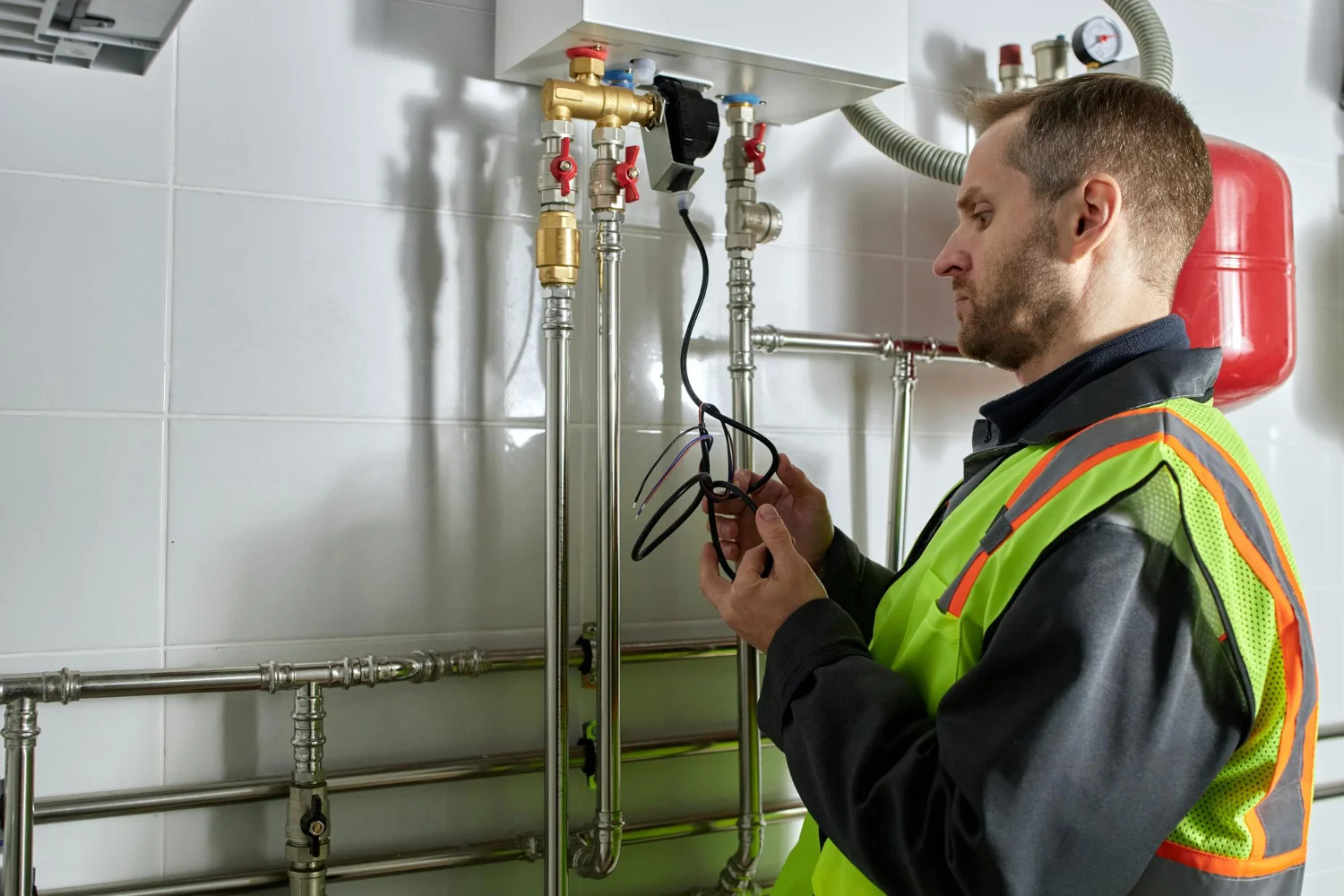
- Assessing the property and heating needs
- Selecting the correct boiler size and type
- Installing the system in line with safety standards
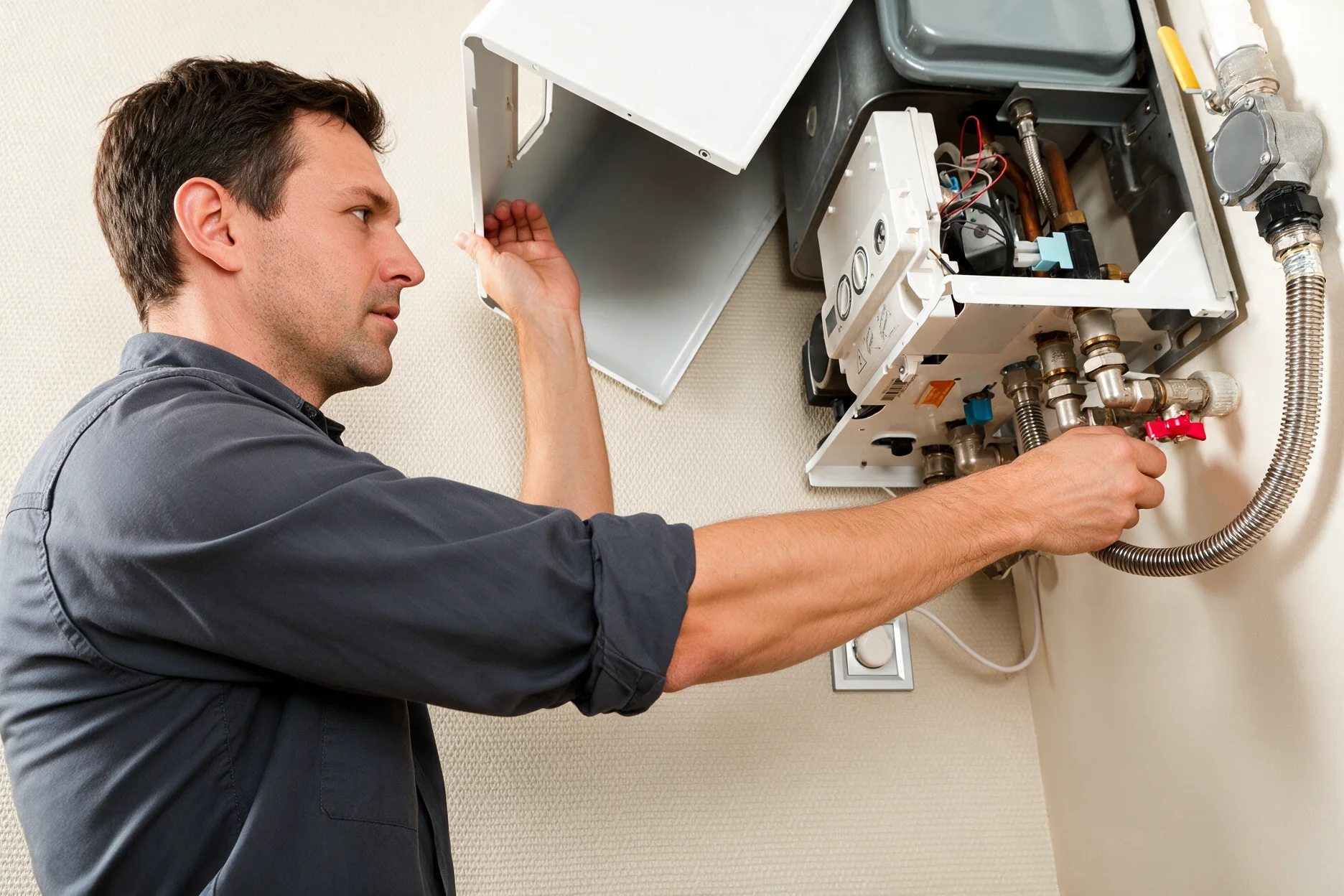
- Carrying out detailed safety checks
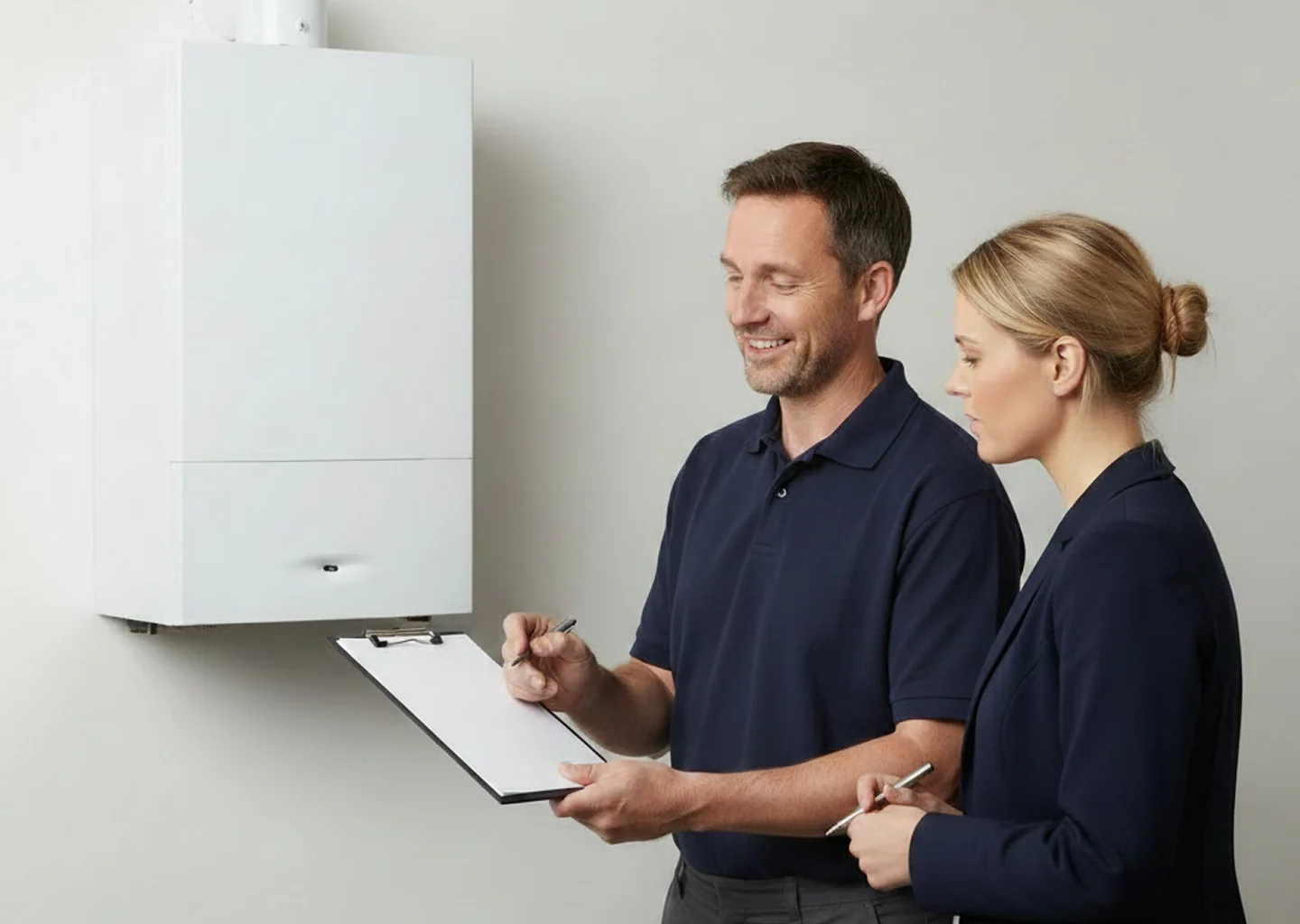
- Providing certification and documentation
Every boiler installation Tunbridge Wells project is completed with careful attention to both performance and compliance.
What safety checks are carried out during installation?
Safety checks are a critical part of the installation process and should never be rushed or overlooked.
These checks typically include:
- Gas pressure testing
- Flue integrity and positioning checks
- Ventilation assessment
- Leak detection
- Electrical safety checks
Each of these steps helps ensure the system operates safely from the moment it is switched on.
Why is flue positioning so important?
The flue is responsible for safely removing harmful gases from your home. Incorrect positioning can lead to dangerous situations.
Proper flue installation ensures:
- Safe removal of combustion gases
- Reduced risk of carbon monoxide entering the property
- Compliance with building regulations
- Long-term system efficiency
This is one area where professional expertise is essential, as even small mistakes can have serious consequences.
Can poor compliance affect your boiler performance?
Yes, and often in ways that are not immediately obvious. A system that does not meet compliance standards may still operate, but it is unlikely to perform efficiently or reliably.
Common issues include:
- Reduced heating efficiency
- Increased energy consumption
- Frequent system faults
- Shortened boiler lifespan
Choosing a qualified installer helps avoid these problems and ensures your system performs as intended.
What documentation should you receive?
After a compliant installation, you should receive documentation confirming that all work has been completed correctly.
This usually includes:
- Gas Safe certificate
- Building regulations compliance certificate
- Manufacturer warranty details
- Installation records
Keeping these documents safe is important, as they may be required for future servicing or property sales.
How can homeowners stay compliant after installation?
Compliance does not end once the boiler is installed. Ongoing maintenance is essential to keep the system safe and efficient.
Recommended steps include:
- Annual boiler servicing
- Prompt repairs if issues arise
- Regular checks for unusual noises or performance changes
- Keeping ventilation areas clear
These simple actions can help maintain safety and prevent problems over time.
For ongoing peace of mind, Kentish Plumbers can provide professional servicing and advice to keep your system running safely.
A typical scenario: Ensuring compliance in a modern home
Consider a homeowner upgrading their heating system as part of a renovation. The property has been extended, increasing heating demand.
A compliant installation involves:
- Reassessing the heating requirements
- Installing a correctly sized boiler
- Ensuring proper ventilation in the new layout
- Positioning the flue safely
By following these steps, the homeowner benefits from a system that is both safe and efficient, avoiding future complications.
How does compliance protect your investment?
A boiler is a significant investment, and compliance helps protect that investment in several ways.
|
Aspect |
Benefit of Compliance |
|
Safety |
Reduces the risk of hazards |
|
Efficiency |
Improves system performance |
|
Longevity |
Extends the lifespan of the boiler |
|
Warranty |
Keeps manufacturer’s cover valid |
|
Property Value |
Supports future sales and inspections |
When compliance is prioritised, you are not just protecting your home – you are also ensuring long-term value.
Why choose a professional installer for compliance?
Gas safety is not an area where shortcuts can be taken. Professional installers have the training, tools, and experience needed to meet strict standards.
With Kentish Plumbers, every boiler installation Tunbridge Wells project is handled with care, ensuring both safety and reliability from the outset.
FAQs
Gas safety compliance is a fundamental part of any boiler installation. It ensures your system operates safely, efficiently, and in line with regulations.
By choosing a qualified and experienced installer, you can avoid unnecessary risks and enjoy peace of mind knowing your home is protected.
Every boiler installation Tunbridge Wells project carried out by Kentish Plumbers is completed with safety and compliance at its core, giving homeowners confidence in their heating system.
If you are planning an installation or want to check your current system, contact Kentish Plumbers for expert advice and trusted support.
Related articles

Which fuel powers your boiler?
Mains Gas
LPG
Other
At a glance
While most people focus on performance and cost, safety standards play an equally important role. Knowing how compliance is maintained can give you confidence that your heating system is operating as it should.
If you are planning a new system or want reassurance about your current setup, you can speak to Kentish Plumbers for expert guidance tailored to your home.
What is gas safety compliance, and why does it matter?
Gas safety compliance refers to the strict standards and regulations that govern how gas appliances are installed, maintained, and operated.
These regulations are designed to:
- Prevent gas leaks
- Reduce the risk of carbon monoxide exposure
- Ensure appliances function safely and efficiently
- Protect both property and occupants
Without proper compliance, even a new boiler can pose serious risks.
What regulations apply to boiler installations?
In the UK, all gas work must follow established safety regulations and be carried out by qualified professionals.
Key requirements include:
- Installation by a Gas Safe-registered engineer
- Adherence to manufacturer instructions
- Proper flue positioning and ventilation
- Safe connection to gas and electrical systems
- Full testing and certification after installation
When completed correctly, these steps ensure your system meets the highest safety standards.
Which fuel powers your boiler?
Mains Gas
LPG
Other
It just takes 60 Seconds
And then you can book a free consultation
How does Kentish Plumbers ensure compliance?
Kentish Plumbers follows a thorough, step-by-step process to ensure every installation meets regulatory requirements.
This includes:
- Assessing the property and heating needs
- Selecting the correct boiler size and type
- Installing the system in line with safety standards
- Carrying out detailed safety checks
- Providing certification and documentation
Every boiler installation Tunbridge Wells project is completed with careful attention to both performance and compliance.
What safety checks are carried out during installation?
Safety checks are a critical part of the installation process and should never be rushed or overlooked.
These checks typically include:
- Gas pressure testing
- Flue integrity and positioning checks
- Ventilation assessment
- Leak detection
- Electrical safety checks
Each of these steps helps ensure the system operates safely from the moment it is switched on.
Why is flue positioning so important?
The flue is responsible for safely removing harmful gases from your home. Incorrect positioning can lead to dangerous situations.
Proper flue installation ensures:
- Safe removal of combustion gases
- Reduced risk of carbon monoxide entering the property
- Compliance with building regulations
- Long-term system efficiency
This is one area where professional expertise is essential, as even small mistakes can have serious consequences.
Can poor compliance affect your boiler performance?
Yes, and often in ways that are not immediately obvious. A system that does not meet compliance standards may still operate, but it is unlikely to perform efficiently or reliably.
Common issues include:
- Reduced heating efficiency
- Increased energy consumption
- Frequent system faults
- Shortened boiler lifespan
Choosing a qualified installer helps avoid these problems and ensures your system performs as intended.
What documentation should you receive?
After a compliant installation, you should receive documentation confirming that all work has been completed correctly.
This usually includes:
- Gas Safe certificate
- Building regulations compliance certificate
- Manufacturer warranty details
- Installation records
Keeping these documents safe is important, as they may be required for future servicing or property sales.
How can homeowners stay compliant after installation?
Compliance does not end once the boiler is installed. Ongoing maintenance is essential to keep the system safe and efficient.
Recommended steps include:
- Annual boiler servicing
- Prompt repairs if issues arise
- Regular checks for unusual noises or performance changes
- Keeping ventilation areas clear
These simple actions can help maintain safety and prevent problems over time.
For ongoing peace of mind, Kentish Plumbers can provide professional servicing and advice to keep your system running safely.
A typical scenario: Ensuring compliance in a modern home
Consider a homeowner upgrading their heating system as part of a renovation. The property has been extended, increasing heating demand.
A compliant installation involves:
- Reassessing the heating requirements
- Installing a correctly sized boiler
- Ensuring proper ventilation in the new layout
- Positioning the flue safely
By following these steps, the homeowner benefits from a system that is both safe and efficient, avoiding future complications.
How does compliance protect your investment?
A boiler is a significant investment, and compliance helps protect that investment in several ways.
|
Aspect |
Benefit of Compliance |
|
Safety |
Reduces the risk of hazards |
|
Efficiency |
Improves system performance |
|
Longevity |
Extends the lifespan of the boiler |
|
Warranty |
Keeps manufacturer’s cover valid |
|
Property Value |
Supports future sales and inspections |
When compliance is prioritised, you are not just protecting your home – you are also ensuring long-term value.
Why choose a professional installer for compliance?
Gas safety is not an area where shortcuts can be taken. Professional installers have the training, tools, and experience needed to meet strict standards.
With Kentish Plumbers, every boiler installation Tunbridge Wells project is handled with care, ensuring both safety and reliability from the outset.
FAQs
Gas safety compliance is a fundamental part of any boiler installation. It ensures your system operates safely, efficiently, and in line with regulations.
By choosing a qualified and experienced installer, you can avoid unnecessary risks and enjoy peace of mind knowing your home is protected.
Every boiler installation Tunbridge Wells project carried out by Kentish Plumbers is completed with safety and compliance at its core, giving homeowners confidence in their heating system.
If you are planning an installation or want to check your current system, contact Kentish Plumbers for expert advice and trusted support.
Related articles
Which fuel powers your boiler?
Mains Gas
LPG
Other