
Gas Boiler Installation Regulations in Tunbridge Wells Explained
Gas boilers are one of the most common heating systems used in UK homes. They provide reliable heating and hot water, but because they operate using gas, strict safety and installation regulations apply. These rules are designed to protect homeowners, ensure systems run efficiently, and reduce the risk of gas-related hazards.

Why you can trust our content
We understand that the boiler industry can be confusing, with plenty of outdated or misleading information. That’s why we rely only on trusted, proven sources to guide our advice and installations:






At a glance
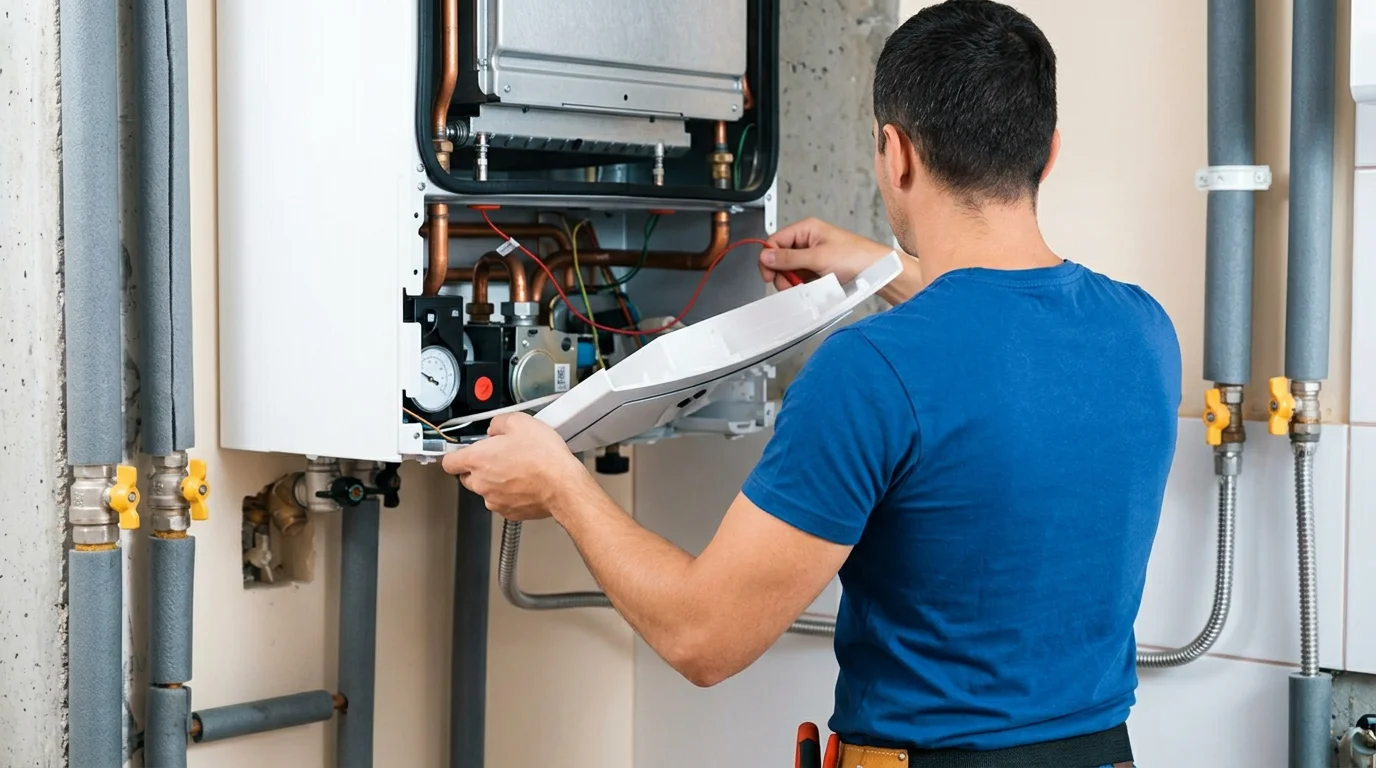
For homeowners in Tunbridge Wells, understanding these regulations is particularly important when planning a heating upgrade or replacing an ageing boiler. Professional installers must follow clear guidelines covering safety checks, system commissioning, and legal compliance.
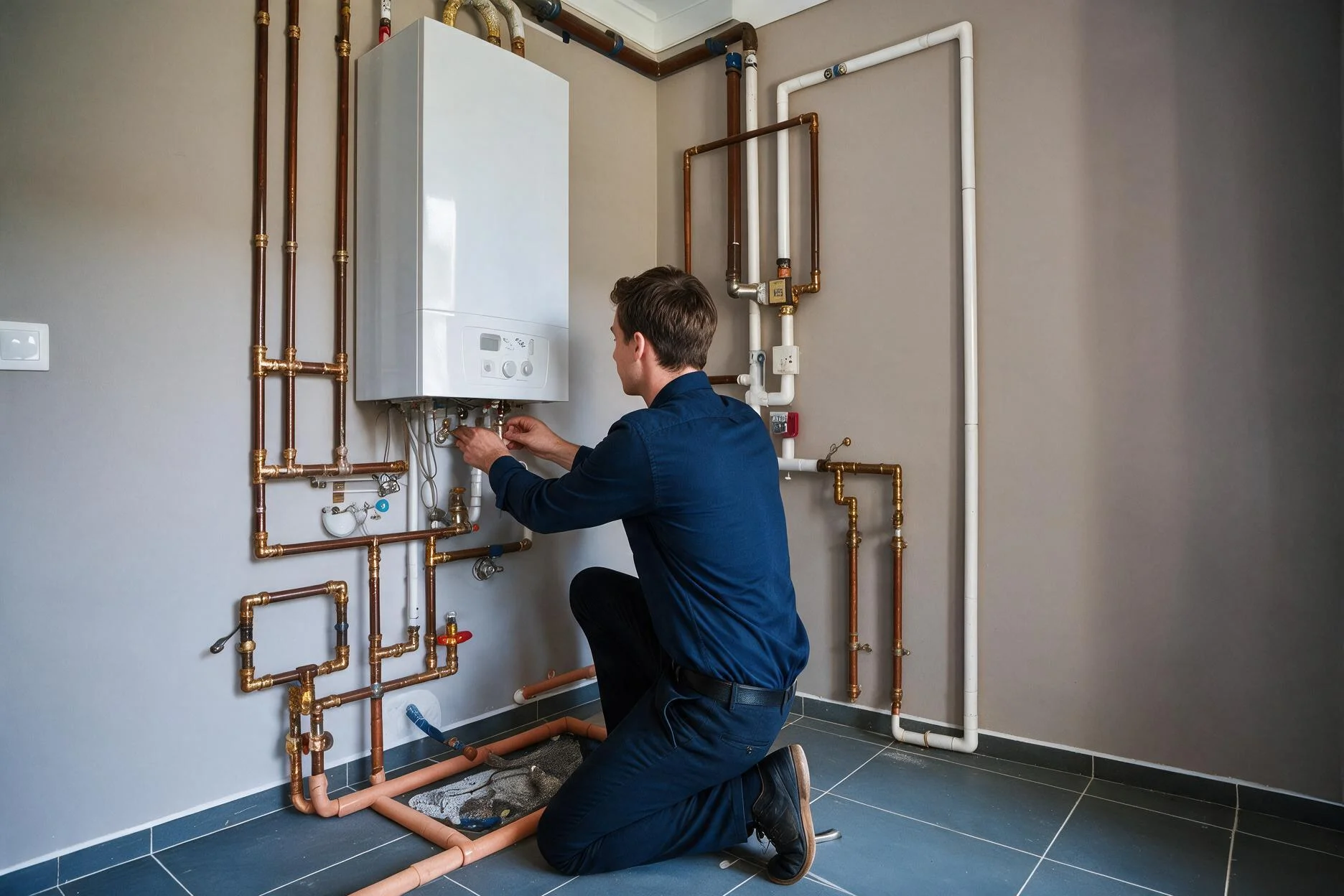
When arranging gas boiler installation in Tunbridge Wells, working with qualified engineers ensures that every part of the installation meets these regulations and operates safely from day one.
If you are planning a boiler upgrade, you can contact the Kentish Plumbers team for expert advice on compliant boiler installation options.
Why Do Gas Boiler Installation Regulations Exist?
Gas appliances require careful installation because they involve combustion, ventilation, and pressurised heating systems. Incorrect installation can create serious safety risks, including gas leaks or carbon monoxide exposure.
Regulations help ensure that every installation meets strict safety standards. They also guarantee that boilers operate efficiently and that the heating system performs correctly.
Key goals of these regulations include:
- Protecting household safety
- Preventing carbon monoxide risks
- Ensuring energy efficiency
- Maintaining correct system operation
- Guaranteeing proper ventilation and flue installation
Following these standards is essential for any gas boiler installation in Tunbridge Wells to be considered safe and legally compliant.
Who Is Legally Allowed to Install a Gas Boiler?
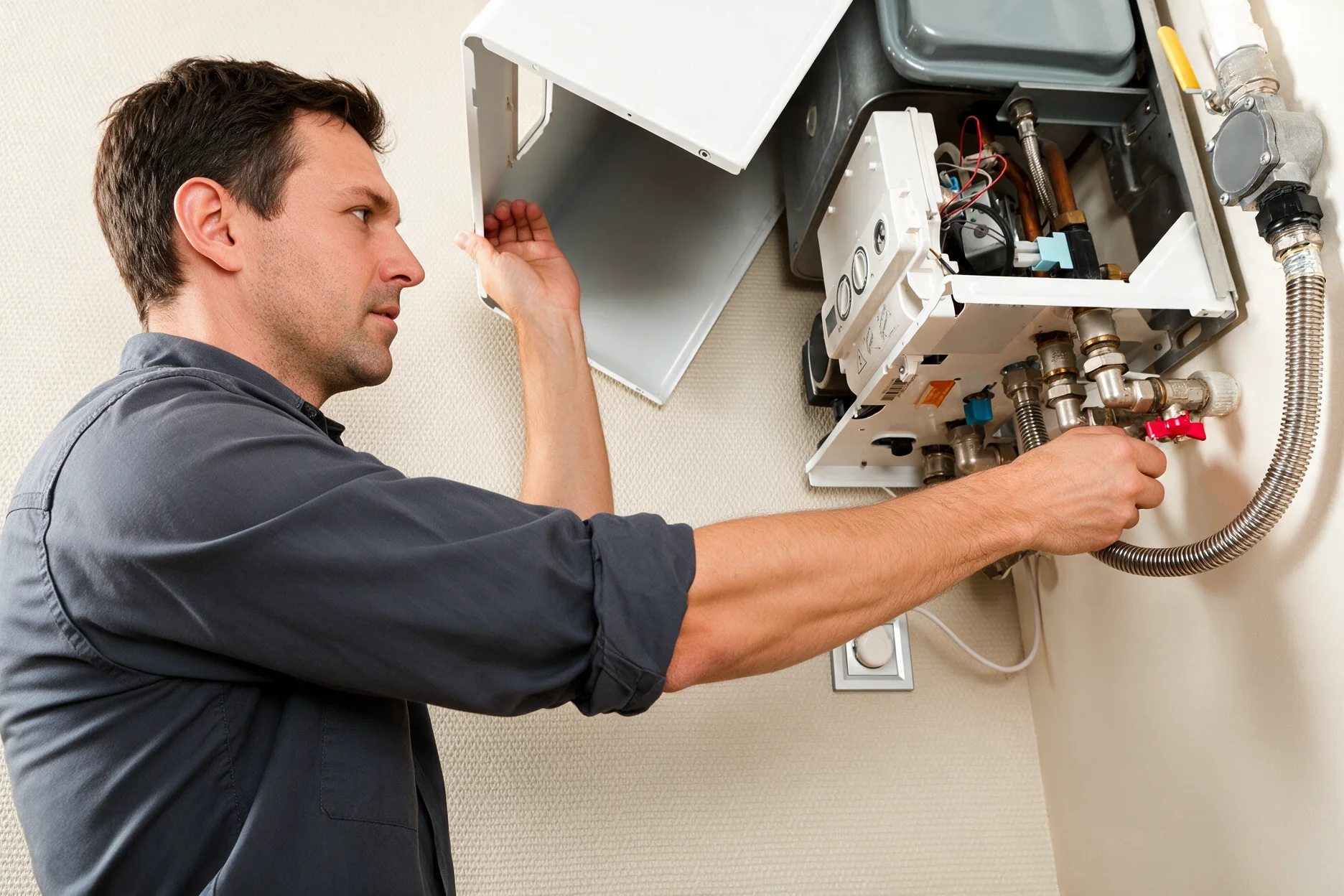
In the UK, gas appliances can only be installed by engineers who are registered with the Gas Safe Register. This is a legal requirement designed to protect homeowners and ensure all installations meet national safety standards.
Gas Safe registered engineers are trained to:
- Install gas appliances safely
- Check gas pressure and pipework
- Ensure proper ventilation
- Test for leaks and emissions
- Commission boilers according to the manufacturer’s specifications
Before any installation work begins, homeowners should always confirm that the engineer is Gas Safe registered.
Which fuel powers your boiler?

Mains Gas

LPG

Other
It just takes 60 Seconds
And then you can book a free consultation
What Steps Are Involved in a Compliant Boiler Installation?
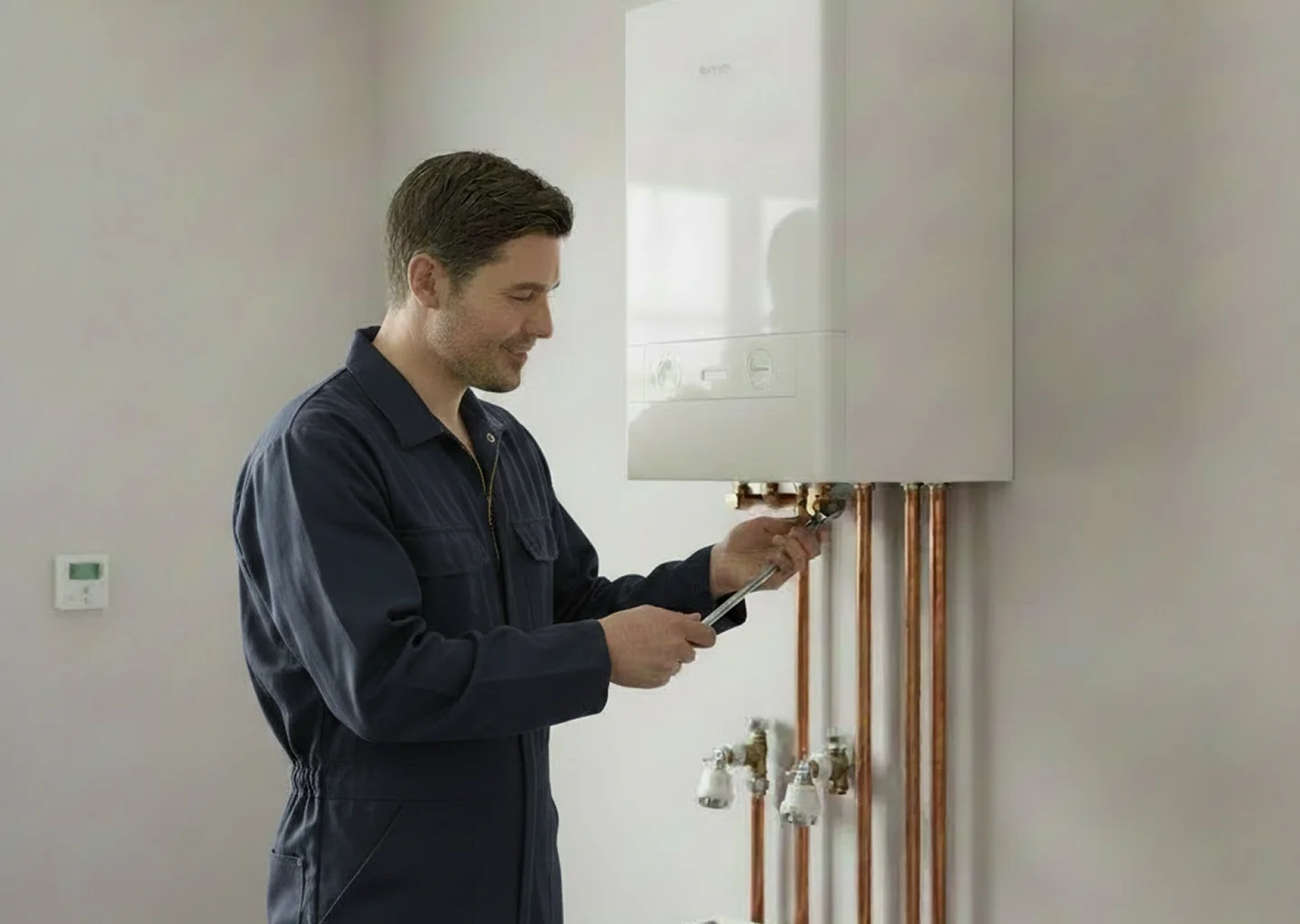
A compliant installation involves more than simply fitting the boiler. Engineers must follow a structured process to ensure the heating system meets safety and performance standards.
Typical installation stages include:
- Initial system assessment and property survey
- Selection of a suitable boiler model
- Safe removal of the existing boiler
- Installation of the new boiler and associated pipework
- System testing and commissioning
This process ensures the system operates safely and efficiently once installation is complete.
Table: Key Compliance Requirements for Boiler Installation
|
Requirement |
Purpose |
|
Gas Safe engineer |
Ensures installation is carried out legally and safely |
|
Correct flue positioning |
Allows safe removal of combustion gases |
|
Adequate ventilation |
Prevents gas build-up in enclosed spaces |
|
Pressure and leak testing |
Confirms safe system operation |
|
System commissioning |
Ensures the boiler functions correctly |
Each of these steps forms part of a professional installation process.
What Is Boiler Commissioning?
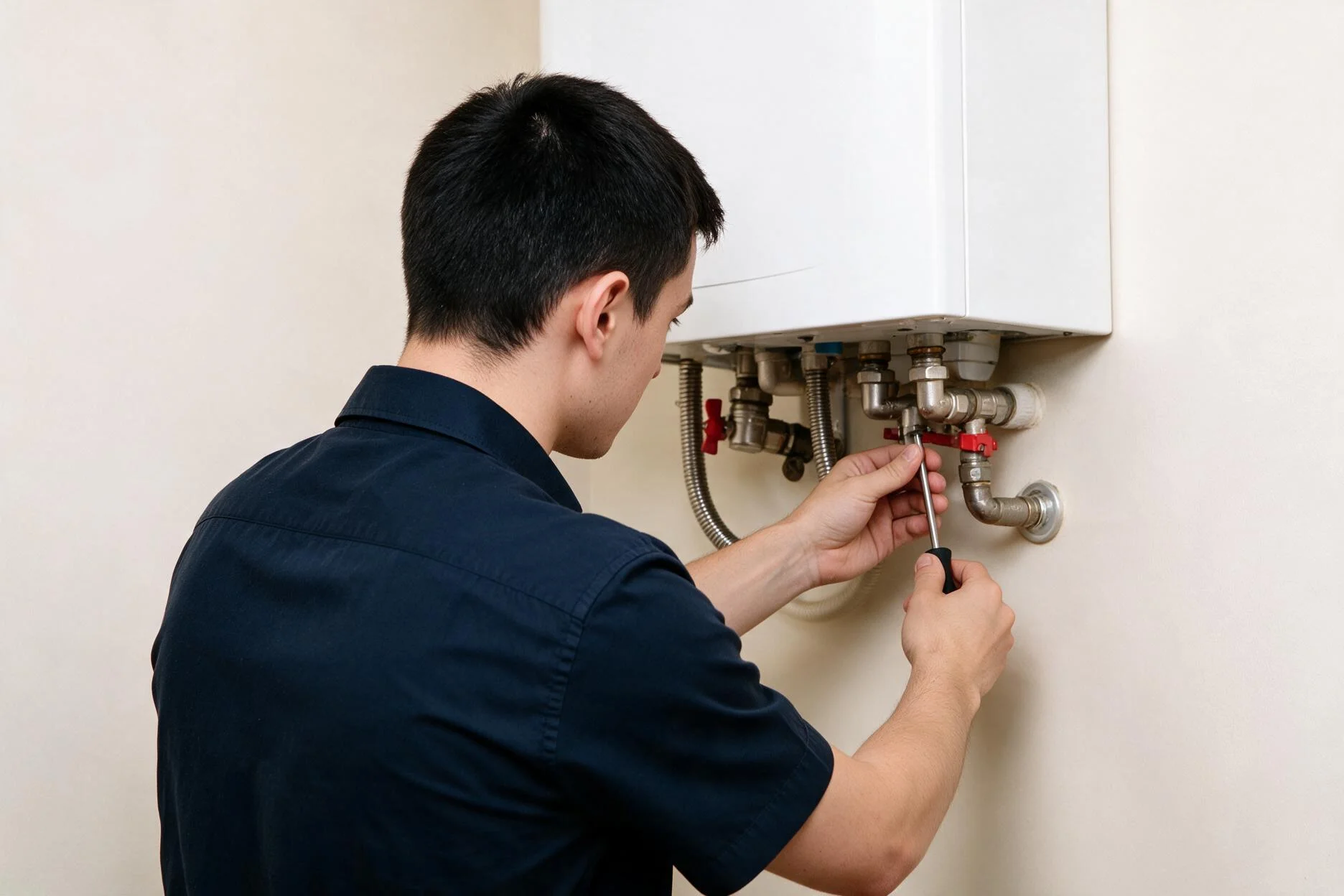
Commissioning is the final stage of the installation process. During commissioning, engineers test the boiler to ensure it is operating safely and efficiently.
This process typically includes:
- Testing gas pressure and flow
- Checking the flue system
- Verifying heating controls
- Testing safety features
- Recording installation details
Once commissioning is complete, the engineer confirms that the system meets safety standards.
For homeowners arranging gas boiler installation in Tunbridge Wells, commissioning ensures the heating system is ready for safe daily use.
What Documentation Should Homeowners Receive?
After installation, homeowners should receive important documentation confirming that the boiler has been installed correctly.
Typical documentation includes:
- Gas Safe installation certificate
- Manufacturer warranty information
- Commissioning records
- User instructions for the boiler
These documents provide proof that the installation meets safety regulations and may be required for future property transactions.
Do Boiler Installations Need to Be Registered?
Yes. Gas boiler installations must be registered with the appropriate authorities. This process is usually completed by the engineer after installation.
Registration ensures:
- The installation meets building regulations
- The homeowner receives official certification
- Records exist for future inspections or property sales
Failure to register a boiler installation could create complications later when selling or renting the property.
Why Flue Positioning Is Important
The flue is responsible for safely removing combustion gases from the boiler. Incorrect flue positioning can allow harmful gases to re-enter the property.
Installation regulations require engineers to position flues carefully to ensure:
- Safe ventilation
- Proper clearance from windows and doors
- Compliance with building regulations
- Effective removal of combustion gases
These requirements are a key part of any compliant boiler installation.
Example Scenario: Installing a Boiler in a Tunbridge Wells Home
Consider a homeowner replacing an ageing boiler in a semi-detached property in Tunbridge Wells. The existing system is over 15 years old and has begun experiencing frequent faults.
A Gas Safe-registered engineer inspects the property and recommends a modern high-efficiency boiler. During installation, the engineer upgrades pipework connections and installs a properly positioned flue to meet current regulations.
After commissioning and safety checks, the engineer registers the installation and provides the homeowner with the required certification.
This process ensures the gas boiler installation in Tunbridge Wells meets both legal requirements and safety standards.
How Do Regulations Protect Homeowners?
Installation regulations are designed to reduce risk and improve the safety of heating systems across the UK.
By following these rules, professional installers ensure:
- Gas systems operate safely
- Boilers run efficiently
- Carbon monoxide risks are minimised
- Heating systems comply with building regulations
For homeowners, this provides reassurance that the system installed in their property meets strict safety standards.
What Should Homeowners Do Before Installing a New Boiler?
Before replacing a boiler, homeowners should take several steps to ensure the installation process runs smoothly.
These steps include:
- Confirming the installer is Gas Safe registered
- Discussing heating requirements with an engineer
- Reviewing installation options and system types
- Understanding servicing requirements
Taking these steps helps ensure the installation is properly planned and compliant with regulations.
If you would like professional advice before installing a new heating system, you can request guidance from the Kentish Plumbers team.
FAQs
Gas boiler installation involves strict regulations designed to protect homeowners and ensure heating systems operate safely and efficiently. From Gas Safe certification to system commissioning and documentation, every stage of the process plays an important role in ensuring compliance.
For homeowners in Tunbridge Wells, choosing experienced and qualified installers helps ensure the installation meets all necessary standards and provides reliable heating for years to come.
If you are planning a heating upgrade or need expert advice about installation requirements, contact Kentish Plumbers to discuss your boiler installation options.
Related articles


Which fuel powers your boiler?
Mains Gas
LPG
Other
At a glance
For homeowners in Tunbridge Wells, understanding these regulations is particularly important when planning a heating upgrade or replacing an ageing boiler. Professional installers must follow clear guidelines covering safety checks, system commissioning, and legal compliance.
When arranging gas boiler installation in Tunbridge Wells, working with qualified engineers ensures that every part of the installation meets these regulations and operates safely from day one.
If you are planning a boiler upgrade, you can contact the Kentish Plumbers team for expert advice on compliant boiler installation options.
Why Do Gas Boiler Installation Regulations Exist?
Gas appliances require careful installation because they involve combustion, ventilation, and pressurised heating systems. Incorrect installation can create serious safety risks, including gas leaks or carbon monoxide exposure.
Regulations help ensure that every installation meets strict safety standards. They also guarantee that boilers operate efficiently and that the heating system performs correctly.
Key goals of these regulations include:
- Protecting household safety
- Preventing carbon monoxide risks
- Ensuring energy efficiency
- Maintaining correct system operation
- Guaranteeing proper ventilation and flue installation
Following these standards is essential for any gas boiler installation in Tunbridge Wells to be considered safe and legally compliant.
Who Is Legally Allowed to Install a Gas Boiler?
In the UK, gas appliances can only be installed by engineers who are registered with the Gas Safe Register. This is a legal requirement designed to protect homeowners and ensure all installations meet national safety standards.
Gas Safe registered engineers are trained to:
- Install gas appliances safely
- Check gas pressure and pipework
- Ensure proper ventilation
- Test for leaks and emissions
- Commission boilers according to the manufacturer’s specifications
Before any installation work begins, homeowners should always confirm that the engineer is Gas Safe registered.
Which fuel powers your boiler?
Mains Gas
LPG
Other
It just takes 60 Seconds
And then you can book a free consultation
What Steps Are Involved in a Compliant Boiler Installation?
A compliant installation involves more than simply fitting the boiler. Engineers must follow a structured process to ensure the heating system meets safety and performance standards.
Typical installation stages include:
- Initial system assessment and property survey
- Selection of a suitable boiler model
- Safe removal of the existing boiler
- Installation of the new boiler and associated pipework
- System testing and commissioning
This process ensures the system operates safely and efficiently once installation is complete.
Table: Key Compliance Requirements for Boiler Installation
|
Requirement |
Purpose |
|
Gas Safe engineer |
Ensures installation is carried out legally and safely |
|
Correct flue positioning |
Allows safe removal of combustion gases |
|
Adequate ventilation |
Prevents gas build-up in enclosed spaces |
|
Pressure and leak testing |
Confirms safe system operation |
|
System commissioning |
Ensures the boiler functions correctly |
Each of these steps forms part of a professional installation process.
What Is Boiler Commissioning?
Commissioning is the final stage of the installation process. During commissioning, engineers test the boiler to ensure it is operating safely and efficiently.
This process typically includes:
- Testing gas pressure and flow
- Checking the flue system
- Verifying heating controls
- Testing safety features
- Recording installation details
Once commissioning is complete, the engineer confirms that the system meets safety standards.
For homeowners arranging gas boiler installation in Tunbridge Wells, commissioning ensures the heating system is ready for safe daily use.
What Documentation Should Homeowners Receive?
After installation, homeowners should receive important documentation confirming that the boiler has been installed correctly.
Typical documentation includes:
- Gas Safe installation certificate
- Manufacturer warranty information
- Commissioning records
- User instructions for the boiler
These documents provide proof that the installation meets safety regulations and may be required for future property transactions.
Do Boiler Installations Need to Be Registered?
Yes. Gas boiler installations must be registered with the appropriate authorities. This process is usually completed by the engineer after installation.
Registration ensures:
- The installation meets building regulations
- The homeowner receives official certification
- Records exist for future inspections or property sales
Failure to register a boiler installation could create complications later when selling or renting the property.
Why Flue Positioning Is Important
The flue is responsible for safely removing combustion gases from the boiler. Incorrect flue positioning can allow harmful gases to re-enter the property.
Installation regulations require engineers to position flues carefully to ensure:
- Safe ventilation
- Proper clearance from windows and doors
- Compliance with building regulations
- Effective removal of combustion gases
These requirements are a key part of any compliant boiler installation.
Example Scenario: Installing a Boiler in a Tunbridge Wells Home
Consider a homeowner replacing an ageing boiler in a semi-detached property in Tunbridge Wells. The existing system is over 15 years old and has begun experiencing frequent faults.
A Gas Safe-registered engineer inspects the property and recommends a modern high-efficiency boiler. During installation, the engineer upgrades pipework connections and installs a properly positioned flue to meet current regulations.
After commissioning and safety checks, the engineer registers the installation and provides the homeowner with the required certification.
This process ensures the gas boiler installation in Tunbridge Wells meets both legal requirements and safety standards.
How Do Regulations Protect Homeowners?
Installation regulations are designed to reduce risk and improve the safety of heating systems across the UK.
By following these rules, professional installers ensure:
- Gas systems operate safely
- Boilers run efficiently
- Carbon monoxide risks are minimised
- Heating systems comply with building regulations
For homeowners, this provides reassurance that the system installed in their property meets strict safety standards.
What Should Homeowners Do Before Installing a New Boiler?
Before replacing a boiler, homeowners should take several steps to ensure the installation process runs smoothly.
These steps include:
- Confirming the installer is Gas Safe registered
- Discussing heating requirements with an engineer
- Reviewing installation options and system types
- Understanding servicing requirements
Taking these steps helps ensure the installation is properly planned and compliant with regulations.
If you would like professional advice before installing a new heating system, you can request guidance from the Kentish Plumbers team.
FAQs
Gas boiler installation involves strict regulations designed to protect homeowners and ensure heating systems operate safely and efficiently. From Gas Safe certification to system commissioning and documentation, every stage of the process plays an important role in ensuring compliance.
For homeowners in Tunbridge Wells, choosing experienced and qualified installers helps ensure the installation meets all necessary standards and provides reliable heating for years to come.
If you are planning a heating upgrade or need expert advice about installation requirements, contact Kentish Plumbers to discuss your boiler installation options.
Related articles
Which fuel powers your boiler?
Mains Gas
LPG
Other