
Boiler Installation Compliance Checklist for Kent Homeowners
Installing a new boiler is a significant investment for any household. While performance and efficiency are important, compliance with safety and regulatory standards is equally essential. Regulations exist to protect homeowners, ensure safe operation, and maintain consistent standards across the heating industry.

Why you can trust our content
We understand that the boiler industry can be confusing, with plenty of outdated or misleading information. That’s why we rely only on trusted, proven sources to guide our advice and installations:






At a glance
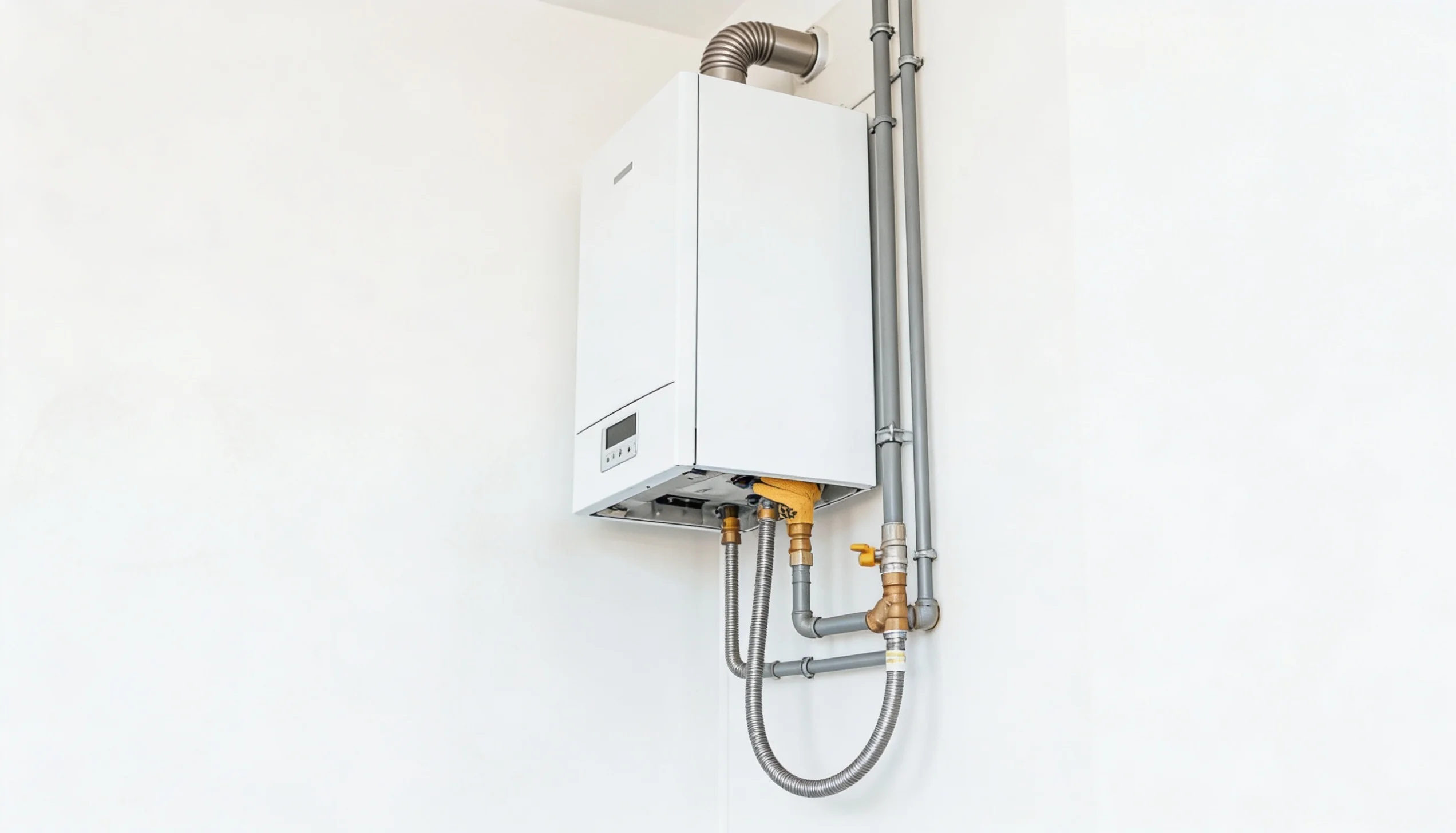
For homeowners planning boiler installation in Tunbridge Wells, understanding the compliance process can help avoid costly mistakes and ensure the installation is completed safely. From certification requirements to ventilation standards, a compliant installation protects both your property and the people living in it.
If you are planning a new system or replacing an existing one, knowing what to expect can make the process far less stressful.
If you would like expert guidance on planning a compliant installation, you can speak to the team at Kentish Plumbers for tailored advice.
Why Is Boiler Installation Compliance So Important?
Compliance is about far more than simply fitting a new heating appliance. Boilers operate using gas or other fuels, which means incorrect installation can lead to serious safety risks.
Proper compliance ensures:
- Safe operation of the heating system
- Protection from carbon monoxide risks
- Improved energy efficiency
- Correct installation according to UK building regulations
- Proper documentation for warranties and property records
A compliant installation also protects the long-term value of your home. If you sell your property in the future, documentation confirming the system was installed correctly is often requested during legal checks.
What Regulations Apply to Boiler Installations?
Several rules and standards apply to domestic heating installations across Kent and the wider UK. These regulations ensure all work is completed safely and professionally.
Key regulatory requirements include:
- Installation by a Gas Safe-registered engineer
- Compliance with Building Regulations Part L for energy efficiency
- Proper flue positioning and ventilation
- Correct pipework and pressure testing
- Notification of the installation to the local authority
When planning boiler installation in Tunbridge Wells, homeowners should always confirm that the engineer responsible for the work is fully qualified and authorised to carry out gas appliance installations.
Which fuel powers your boiler?

Mains Gas

LPG

Other
It just takes 60 Seconds
And then you can book a free consultation
What Should Homeowners Check Before Installation Begins?
Preparing your property before installation helps ensure the process runs smoothly and remains compliant with regulations.
Some important checks include:
- Confirming the installer is Gas Safe registered
- Checking the suitability of the boiler size for the property
- Ensuring adequate space and ventilation
- Reviewing the proposed flue location
- Discussing condensate pipe routing
Homeowners should also ensure that all documentation is provided once the installation is complete.
Boiler Installation Compliance Checklist
The following table provides a simple overview of the key compliance elements involved in a typical installation.
|
Compliance Requirement |
Why It Matters |
What Homeowners Should Expect |
|
Gas Safe Registration |
Confirms the engineer is legally qualified |
The installer provides the Gas Safe ID |
|
Boiler Sizing |
Ensures the system meets the property’s heating needs |
Assessment of property size and hot water demand |
|
Flue Positioning |
Prevents harmful gases from entering the home |
Correct placement based on building regulations |
|
Ventilation Requirements |
Supports safe combustion |
Adequate airflow where required |
|
System Testing |
Ensures safe operation |
Pressure tests and system checks |
|
Building Regulation Notification |
Official record of installation |
Certificate issued after installation |
These checks ensure the heating system operates safely and efficiently from the moment it is installed.
Do Older Homes in Kent Require Additional Considerations?
Many properties across Kent, including those in Tunbridge Wells, are period homes or older buildings. These properties can sometimes require additional planning during boiler installation.
Common considerations include:
- Limited space for modern boilers
- Older pipework that may need upgrading
- Ventilation adjustments for newer systems
- Flue routing through thick masonry walls
Experienced installers are familiar with these challenges and can adapt the installation approach to suit the property while still meeting compliance standards.
What Documentation Should You Receive After Installation?
A compliant installation always includes documentation that confirms the work has been completed according to regulatory requirements.
Homeowners should expect to receive:
- Gas Safe installation certificate
- Boiler warranty documentation
- Building regulations compliance certificate
- User manuals and servicing guidance
These documents are important for warranty protection and future property transactions.
If you are unsure what paperwork should accompany your new system, the Kentish Plumbers team can explain the full process and help ensure every stage is handled correctly.
What Happens If a Boiler Installation Is Not Compliant?
Unfortunately, not all installations meet the required standards. Non-compliant installations can lead to serious safety risks and financial consequences.
Possible issues include:
- Unsafe gas connections
- Incorrect flue placement
- Reduced efficiency and higher energy costs
- Invalid boiler warranty
- Potential legal complications when selling the property
In some cases, corrective work may be required to bring the system up to standard. This can involve additional engineering work and further expense.
Ensuring compliance from the start is always the safest and most cost-effective approach.
How Can Homeowners Ensure Their Installer Follows Regulations?
Choosing the right professional is the most effective way to ensure the installation meets all legal and safety requirements.
Homeowners should look for:
- Gas Safe registration
- Proven experience with domestic heating systems
- Clear installation planning and advice
- Transparent documentation processes
- Strong local reputation
When arranging boiler installation in Tunbridge Wells, reputable installers will always explain the compliance process and answer any questions before work begins.
FAQs
A Reliable Approach to Safe Boiler Installation
A compliant installation is essential for safety, efficiency, and long-term reliability. By understanding the key checks involved, homeowners can approach the process with confidence and ensure their heating system meets all required standards.
For homeowners considering boiler installation in Tunbridge Wells, working with experienced professionals ensures every stage of the process is handled correctly. The team at Kentish Plumbers focuses on safe, compliant installations that provide reliable heating for years to come.
If you are planning a new heating system or replacing an older boiler, you can contact Kentish Plumbers to request a fully compliant installation quote and professional guidance.
Related articles

Which fuel powers your boiler?
Mains Gas
LPG
Other
At a glance
For homeowners planning boiler installation in Tunbridge Wells, understanding the compliance process can help avoid costly mistakes and ensure the installation is completed safely. From certification requirements to ventilation standards, a compliant installation protects both your property and the people living in it.
If you are planning a new system or replacing an existing one, knowing what to expect can make the process far less stressful.
If you would like expert guidance on planning a compliant installation, you can speak to the team at Kentish Plumbers for tailored advice.
Why Is Boiler Installation Compliance So Important?
Compliance is about far more than simply fitting a new heating appliance. Boilers operate using gas or other fuels, which means incorrect installation can lead to serious safety risks.
Proper compliance ensures:
- Safe operation of the heating system
- Protection from carbon monoxide risks
- Improved energy efficiency
- Correct installation according to UK building regulations
- Proper documentation for warranties and property records
A compliant installation also protects the long-term value of your home. If you sell your property in the future, documentation confirming the system was installed correctly is often requested during legal checks.
What Regulations Apply to Boiler Installations?
Several rules and standards apply to domestic heating installations across Kent and the wider UK. These regulations ensure all work is completed safely and professionally.
Key regulatory requirements include:
- Installation by a Gas Safe-registered engineer
- Compliance with Building Regulations Part L for energy efficiency
- Proper flue positioning and ventilation
- Correct pipework and pressure testing
- Notification of the installation to the local authority
When planning boiler installation in Tunbridge Wells, homeowners should always confirm that the engineer responsible for the work is fully qualified and authorised to carry out gas appliance installations.
Which fuel powers your boiler?
Mains Gas
LPG
Other
It just takes 60 Seconds
And then you can book a free consultation
What Should Homeowners Check Before Installation Begins?
Preparing your property before installation helps ensure the process runs smoothly and remains compliant with regulations.
Some important checks include:
- Confirming the installer is Gas Safe registered
- Checking the suitability of the boiler size for the property
- Ensuring adequate space and ventilation
- Reviewing the proposed flue location
- Discussing condensate pipe routing
Homeowners should also ensure that all documentation is provided once the installation is complete.
Boiler Installation Compliance Checklist
The following table provides a simple overview of the key compliance elements involved in a typical installation.
|
Compliance Requirement |
Why It Matters |
What Homeowners Should Expect |
|
Gas Safe Registration |
Confirms the engineer is legally qualified |
The installer provides the Gas Safe ID |
|
Boiler Sizing |
Ensures the system meets the property’s heating needs |
Assessment of property size and hot water demand |
|
Flue Positioning |
Prevents harmful gases from entering the home |
Correct placement based on building regulations |
|
Ventilation Requirements |
Supports safe combustion |
Adequate airflow where required |
|
System Testing |
Ensures safe operation |
Pressure tests and system checks |
|
Building Regulation Notification |
Official record of installation |
Certificate issued after installation |
These checks ensure the heating system operates safely and efficiently from the moment it is installed.
Do Older Homes in Kent Require Additional Considerations?
Many properties across Kent, including those in Tunbridge Wells, are period homes or older buildings. These properties can sometimes require additional planning during boiler installation.
Common considerations include:
- Limited space for modern boilers
- Older pipework that may need upgrading
- Ventilation adjustments for newer systems
- Flue routing through thick masonry walls
Experienced installers are familiar with these challenges and can adapt the installation approach to suit the property while still meeting compliance standards.
What Documentation Should You Receive After Installation?
A compliant installation always includes documentation that confirms the work has been completed according to regulatory requirements.
Homeowners should expect to receive:
- Gas Safe installation certificate
- Boiler warranty documentation
- Building regulations compliance certificate
- User manuals and servicing guidance
These documents are important for warranty protection and future property transactions.
If you are unsure what paperwork should accompany your new system, the Kentish Plumbers team can explain the full process and help ensure every stage is handled correctly.
What Happens If a Boiler Installation Is Not Compliant?
Unfortunately, not all installations meet the required standards. Non-compliant installations can lead to serious safety risks and financial consequences.
Possible issues include:
- Unsafe gas connections
- Incorrect flue placement
- Reduced efficiency and higher energy costs
- Invalid boiler warranty
- Potential legal complications when selling the property
In some cases, corrective work may be required to bring the system up to standard. This can involve additional engineering work and further expense.
Ensuring compliance from the start is always the safest and most cost-effective approach.
How Can Homeowners Ensure Their Installer Follows Regulations?
Choosing the right professional is the most effective way to ensure the installation meets all legal and safety requirements.
Homeowners should look for:
- Gas Safe registration
- Proven experience with domestic heating systems
- Clear installation planning and advice
- Transparent documentation processes
- Strong local reputation
When arranging boiler installation in Tunbridge Wells, reputable installers will always explain the compliance process and answer any questions before work begins.
FAQs
A Reliable Approach to Safe Boiler Installation
A compliant installation is essential for safety, efficiency, and long-term reliability. By understanding the key checks involved, homeowners can approach the process with confidence and ensure their heating system meets all required standards.
For homeowners considering boiler installation in Tunbridge Wells, working with experienced professionals ensures every stage of the process is handled correctly. The team at Kentish Plumbers focuses on safe, compliant installations that provide reliable heating for years to come.
If you are planning a new heating system or replacing an older boiler, you can contact Kentish Plumbers to request a fully compliant installation quote and professional guidance.
Related articles
Which fuel powers your boiler?
Mains Gas
LPG
Other