Frequently Asked Questions
a high efficiency plumbing appliance can be identified by the he certification mark?
Yes, a high-efficiency plumbing appliance can be identified by the HE certification mark, indicating its energy-saving capabilities.
how do high efficiency boilers work?
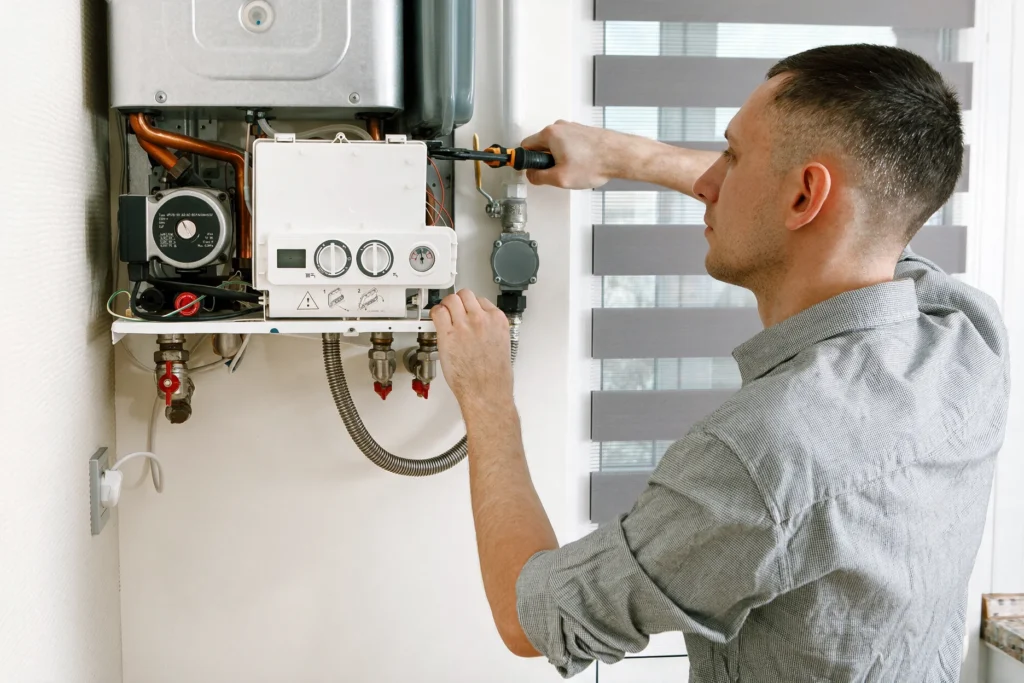
High efficiency boilers work by capturing more heat from the fuel they burn, using a secondary heat exchanger to condense water vapour from the exhaust gases, thus recovering additional energy.
how to plumb a high efficiency furnace?
Plumbing a high-efficiency furnace involves connecting the condensate drain, gas line, and venting system correctly. Professional installation ensures safety and optimal performance for your heating system.
which leed certification has low flow high efficiency plumbing?
LEED certification encourages low-flow, high-efficiency plumbing through various credits, promoting water conservation in buildings.
why does a high efficiency furnace produce water?
High-efficiency furnaces produce water because their advanced design extracts more heat from fuel, causing exhaust gases to condense. This condensation is a normal byproduct of their efficient operation.
can high efficiency furnaces be vented vertically?
High-efficiency furnaces can indeed be vented vertically, provided the installation adheres to manufacturer specifications and local building codes for proper airflow and drainage.
how much a plumber charge per hour kent?
Plumber hourly rates in Kent can vary, but expect charges typically between £50-£100 per hour, depending on the complexity of the job and the specific service provider.
what is the best way to find a good plumber?
The best way to find a good plumber is by seeking recommendations, checking reviews, and verifying credentials for reliable service.
How do high efficiency boilers function?
High efficiency boilers function by capturing more heat from fuel and condensing water vapour from exhaust gases, significantly reducing energy waste and improving heating performance.
What is the HE certification mark?
The HE certification mark indicates that a boiler meets specific energy efficiency standards, helping you save money on your heating bills.
How can I identify efficiency in appliances?
Identifying appliance efficiency involves checking energy labels, looking for high Energy Star ratings, and comparing the running costs of different models to ensure long-term savings.
What does low flow plumbing mean?
Low flow plumbing refers to water-efficient fixtures and systems designed to reduce water consumption without significantly impacting performance.
Which LEED rating uses efficient plumbing?
LEED certification encourages efficient plumbing. All LEED rating systems incorporate water efficiency credits, promoting the use of water-saving fixtures and systems.
Why do efficient furnaces create water?
Efficient furnaces create water as a byproduct of their high-efficiency combustion process, condensing water vapour from flue gases.
Can vertical venting suit these furnaces?
Vertical venting can suit certain furnaces, but it depends on the specific model and manufacturer's guidelines. Always consult your furnace's manual or a qualified professional.
What is a typical hourly charge for plumbers?
A typical hourly charge for plumbers can vary, but generally ranges from £50 to £150, depending on location and complexity of the job.
How to identify a skilled local plumber?
Identifying a skilled local plumber involves checking reviews, certifications, and asking for recommendations. Look for experience and a proven track record of quality work.
What are the benefits of efficient boilers?
The benefits of efficient boilers include lower energy bills, reduced carbon emissions, and improved home comfort. They also offer greater reliability and can increase your home's value.
How does efficiency impact heating costs?
Efficiency directly impacts heating costs; more efficient systems use less energy to produce the same amount of heat, thus lowering your bills.
What is the best boiler replacement advice?
The best boiler replacement advice is to assess your current system's age and efficiency, weigh repair costs against a new installation, and consider financing options for a modern, energy-saving unit.
How to select a reputable plumber?
Selecting a reputable plumber involves checking reviews, asking for recommendations, and ensuring they are insured and qualified for the job.
What makes plumbing services expensive?
Plumbing services can be expensive due to skilled labour, specialised tools, emergency call-out fees, and the cost of quality parts and materials.
Where can I find boiler financing?
You can find boiler financing options through reputable plumbing companies like Kentish Plumbers, who offer tailored solutions to make new boiler installations affordable.
What is the usual lifespan of boilers?
The usual lifespan of boilers is around 10-15 years, though this can vary. Regular servicing by professionals like Kentish Plumbers can help maximise your boiler's longevity.
How to maintain high efficiency furnaces?
Maintaining high-efficiency furnaces involves regular professional servicing, keeping air filters clean, and ensuring proper ventilation. This optimises performance and longevity.
Can plumbers fix heating system issues?
Yes, plumbers can fix heating system issues. Many plumbers specialise in both plumbing and heating, offering services like boiler repairs and central heating maintenance.
What are common plumbing problems?
Common plumbing problems include leaky taps, blocked drains, faulty toilet flushes, and issues with hot water systems, all of which Kentish Plumbers can expertly resolve.
What advice for new plumbing installations?
For new plumbing installations, prioritise quality materials and professional fitting to ensure longevity and prevent future issues.
How to understand home heating systems?
Understanding home heating systems involves knowing your boiler type, distribution method (radiators/underfloor), and thermostat controls for efficient operation.
When should boilers be replaced?
Boilers should typically be replaced after 15 years, or when frequent repairs become costly, or if efficiency drops significantly.