Boiler Sizing Explained: Why Getting It Wrong Costs More
Choosing a new boiler is not just about picking a brand or model. One of the most important factors – and often the most misunderstood – is sizing. A boiler that is too small or too large for your home can lead to ongoing issues, inefficiency, and unnecessary expense.

Why you can trust our content
We understand that the boiler industry can be confusing, with plenty of outdated or misleading information. That’s why we rely only on trusted, proven sources to guide our advice and installations:






At a glance
Many homeowners assume bigger is better, but this is not always the case. Getting the size right is essential for both performance and long-term value.
If you are unsure about the right boiler size for your home, you can speak to Kentish Plumbers for tailored advice before making a decision.
What does boiler sizing actually mean?
Boiler sizing refers to the output capacity of the boiler, usually measured in kilowatts (kW). This determines how much heating and hot water the system can provide at any given time.
Sizing is based on your home’s specific requirements, not just its physical size.
Factors that influence sizing include:
- Number of radiators
- Property size and layout
- Insulation levels
- Number of bathrooms
- Hot water demand
A correctly sized boiler will meet these needs without overworking or wasting energy.
What happens if a boiler is too small?
An undersized boiler will struggle to keep up with demand, especially during colder months or peak usage times.
Common problems include:
- Rooms are not heating properly
- Hot water is running out quickly
- Boiler constantly running at full capacity
- Increased wear and tear
Over time, this can lead to more frequent breakdowns and rising boiler installation costs due to repairs or early replacement.
What happens if a boiler is too large?
Oversizing is just as problematic as undersizing. A boiler that is too powerful will cycle on and off frequently, a process known as short cycling.
This can cause:
- Reduced efficiency
- Higher energy bills
- Increased strain on components
- Shortened lifespan
While it may seem like a safer option, oversizing often leads to unnecessary costs and inefficiencies.
How do professionals calculate the correct size?
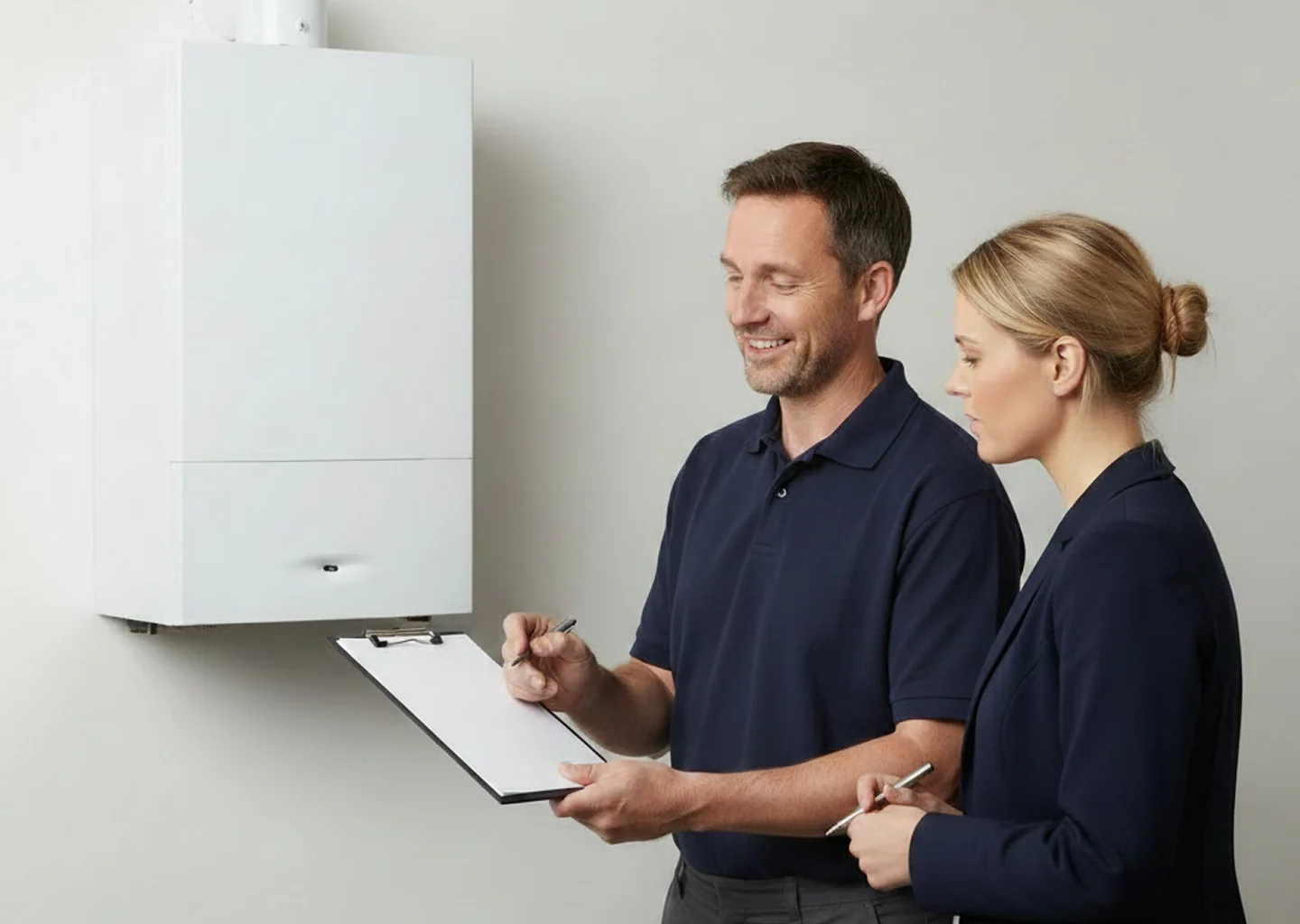
Accurate sizing requires a detailed assessment of your home, often referred to as a heat loss calculation.
This process considers:
- Heat loss through walls, windows, and the roof
- Room-by-room heating requirements
- External temperatures
- Usage patterns
This ensures the boiler is matched precisely to your home’s needs, avoiding guesswork.
(Link to service page: Boiler Installation)
Why does sizing affect installation costs?
Boiler size directly impacts both the upfront and long-term costs of your system.
|
Factor |
Impact on Costs |
|
Larger boiler unit |
Higher purchase price |
|
Incorrect sizing |
Increased repair and maintenance costs |
|
Poor efficiency |
Higher energy bills |
|
System upgrades required |
Additional installation expenses |
Choosing the right size helps keep boiler installation costs under control and avoids unnecessary spending.
Which fuel powers your boiler?

Mains Gas

LPG

Other
It just takes 60 Seconds
And then you can book a free consultation
Can boiler size affect energy efficiency?
Yes, significantly. A properly sized boiler operates at optimal efficiency, using only the energy required to heat your home.
Benefits of correct sizing:
- Lower energy consumption
- Consistent heating performance
- Reduced environmental impact
- Lower monthly bills
Incorrect sizing, on the other hand, leads to wasted energy and inconsistent performance.
How does property type influence sizing?
Different property types have varying heating demands, which must be considered during sizing.
For example:
- Flats and smaller homes typically require lower-output boilers
- Semi-detached homes may need mid-range capacity
- Larger detached properties often require higher output systems
However, insulation and layout can significantly influence these requirements, so a detailed assessment is always recommended.
Can renovations or extensions affect boiler size?
Yes, any changes to your home can alter its heating requirements.
Situations that may require resizing include:
- Adding new rooms or extensions
- Converting lofts or garages
- Installing additional bathrooms
- Improving insulation
In these cases, reassessing your boiler size can help maintain efficiency and performance.
If you are planning changes to your home, Kentish Plumbers can assess your current system and recommend the right sizing solution.
A typical scenario: The cost of getting it wrong
Consider a homeowner who installs a boiler based on a rough estimate rather than a proper calculation. The chosen unit is slightly too small for the property.
Initially, the system appears to work, but over time:
- Heating becomes inconsistent
- The boiler runs continuously
- Energy bills increase
Eventually, the system requires upgrading, leading to additional boiler installation costs that could have been avoided with accurate sizing from the start.
How can you ensure accurate boiler sizing?
Avoiding sizing issues starts with choosing the right professional and asking the right questions.
Key steps include:
- Requesting a full heat loss calculation
- Avoiding guesswork or quick estimates
- Considering future changes to your home
- Choosing a reputable installer
Taking these steps helps ensure your system is designed correctly from the outset.
What are the long-term benefits of correct sizing?
Getting the size right provides lasting advantages that go beyond immediate performance.
Long-term benefits:
- Fewer breakdowns
- Lower maintenance costs
- Extended boiler lifespan
- Improved comfort throughout your home
These benefits make accurate sizing a crucial part of any installation.
FAQs
Boiler sizing is one of the most important factors in ensuring your heating system performs efficiently and reliably. Getting it wrong can lead to ongoing issues, higher bills, and unnecessary costs.
By taking the time to assess your home’s requirements and working with experienced professionals, you can avoid common pitfalls and ensure your system is built to last.
If you want expert guidance on choosing the right boiler size, contact Kentish Plumbers to discuss your needs and get tailored advice for your home.
Related articles
Which fuel powers your boiler?
Mains Gas
LPG
Other
At a glance
Many homeowners assume bigger is better, but this is not always the case. Getting the size right is essential for both performance and long-term value.
If you are unsure about the right boiler size for your home, you can speak to Kentish Plumbers for tailored advice before making a decision.
What does boiler sizing actually mean?
Boiler sizing refers to the output capacity of the boiler, usually measured in kilowatts (kW). This determines how much heating and hot water the system can provide at any given time.
Sizing is based on your home’s specific requirements, not just its physical size.
Factors that influence sizing include:
- Number of radiators
- Property size and layout
- Insulation levels
- Number of bathrooms
- Hot water demand
A correctly sized boiler will meet these needs without overworking or wasting energy.
What happens if a boiler is too small?
An undersized boiler will struggle to keep up with demand, especially during colder months or peak usage times.
Common problems include:
- Rooms are not heating properly
- Hot water is running out quickly
- Boiler constantly running at full capacity
- Increased wear and tear
Over time, this can lead to more frequent breakdowns and rising boiler installation costs due to repairs or early replacement.
What happens if a boiler is too large?
Oversizing is just as problematic as undersizing. A boiler that is too powerful will cycle on and off frequently, a process known as short cycling.
This can cause:
- Reduced efficiency
- Higher energy bills
- Increased strain on components
- Shortened lifespan
While it may seem like a safer option, oversizing often leads to unnecessary costs and inefficiencies.
How do professionals calculate the correct size?
Accurate sizing requires a detailed assessment of your home, often referred to as a heat loss calculation.
This process considers:
- Heat loss through walls, windows, and the roof
- Room-by-room heating requirements
- External temperatures
- Usage patterns
This ensures the boiler is matched precisely to your home’s needs, avoiding guesswork.
(Link to service page: Boiler Installation)
Why does sizing affect installation costs?
Boiler size directly impacts both the upfront and long-term costs of your system.
|
Factor |
Impact on Costs |
|
Larger boiler unit |
Higher purchase price |
|
Incorrect sizing |
Increased repair and maintenance costs |
|
Poor efficiency |
Higher energy bills |
|
System upgrades required |
Additional installation expenses |
Choosing the right size helps keep boiler installation costs under control and avoids unnecessary spending.
Which fuel powers your boiler?
Mains Gas
LPG
Other
It just takes 60 Seconds
And then you can book a free consultation
Can boiler size affect energy efficiency?
Yes, significantly. A properly sized boiler operates at optimal efficiency, using only the energy required to heat your home.
Benefits of correct sizing:
- Lower energy consumption
- Consistent heating performance
- Reduced environmental impact
- Lower monthly bills
Incorrect sizing, on the other hand, leads to wasted energy and inconsistent performance.
How does property type influence sizing?
Different property types have varying heating demands, which must be considered during sizing.
For example:
- Flats and smaller homes typically require lower-output boilers
- Semi-detached homes may need mid-range capacity
- Larger detached properties often require higher output systems
However, insulation and layout can significantly influence these requirements, so a detailed assessment is always recommended.
Can renovations or extensions affect boiler size?
Yes, any changes to your home can alter its heating requirements.
Situations that may require resizing include:
- Adding new rooms or extensions
- Converting lofts or garages
- Installing additional bathrooms
- Improving insulation
In these cases, reassessing your boiler size can help maintain efficiency and performance.
If you are planning changes to your home, Kentish Plumbers can assess your current system and recommend the right sizing solution.
A typical scenario: The cost of getting it wrong
Consider a homeowner who installs a boiler based on a rough estimate rather than a proper calculation. The chosen unit is slightly too small for the property.
Initially, the system appears to work, but over time:
- Heating becomes inconsistent
- The boiler runs continuously
- Energy bills increase
Eventually, the system requires upgrading, leading to additional boiler installation costs that could have been avoided with accurate sizing from the start.
How can you ensure accurate boiler sizing?
Avoiding sizing issues starts with choosing the right professional and asking the right questions.
Key steps include:
- Requesting a full heat loss calculation
- Avoiding guesswork or quick estimates
- Considering future changes to your home
- Choosing a reputable installer
Taking these steps helps ensure your system is designed correctly from the outset.
What are the long-term benefits of correct sizing?
Getting the size right provides lasting advantages that go beyond immediate performance.
Long-term benefits:
- Fewer breakdowns
- Lower maintenance costs
- Extended boiler lifespan
- Improved comfort throughout your home
These benefits make accurate sizing a crucial part of any installation.
FAQs
Boiler sizing is one of the most important factors in ensuring your heating system performs efficiently and reliably. Getting it wrong can lead to ongoing issues, higher bills, and unnecessary costs.
By taking the time to assess your home’s requirements and working with experienced professionals, you can avoid common pitfalls and ensure your system is built to last.
If you want expert guidance on choosing the right boiler size, contact Kentish Plumbers to discuss your needs and get tailored advice for your home.
Related articles
Which fuel powers your boiler?
Mains Gas
LPG
Other