
Landlord Plumbing Responsibilities Explained
As a landlord, it’s important to be aware of your legal obligations when it comes to the maintenance…

Why you can trust our content
We understand that the boiler industry can be confusing, with plenty of outdated or misleading information. That’s why we rely only on trusted, proven sources to guide our advice and installations:







Related Plumbing & Heating Guides for Landlords
As a landlord, it’s important to be aware of your legal obligations when it comes to the maintenance and repair of plumbing systems in your rental property.
Plumbing issues can have a significant impact on your tenants’ comfort and safety, and as the property owner, you are responsible for ensuring the plumbing systems are in good working order. Failing to meet your plumbing responsibilities could lead to complaints from tenants, costly repairs, and even legal consequences.
In this article, we’ll break down the key plumbing responsibilities that landlords must be aware of and how to ensure your rental property remains compliant and well-maintained.
Legal Plumbing Responsibilities for Landlords
In the UK, landlords have certain legal obligations under the Landlord and Tenant Act 1985, which specifies that plumbing systems, heating systems, and appliances should be kept in good working order throughout the tenancy. Failure to meet these requirements could result in financial penalties, tenant complaints, or issues with local authorities.
1. Ensuring Plumbing Systems Are Safe and Functional
Landlords are required to ensure that the plumbing systems in their rental properties are in a safe and working condition. This includes ensuring that the water supply, drainage, and sewage systems are functioning properly and not posing any health risks to tenants.
- Water supply: Make sure the water supply to your property is reliable, clean, and safe to use.
- Drainage: Drainage systems should be free from blockages or leaks that could cause water damage to the property.
- Sewage: The sewage system must be properly maintained to avoid issues such as backups or unpleasant odours.
By keeping these systems in good working order, you ensure the health and safety of your tenants.
2. Addressing Plumbing Issues Promptly
When plumbing problems arise in a rental property, landlords must respond quickly to avoid further damage and inconvenience for tenants. Plumbing issues such as leaking pipes, blocked drains, or broken water heaters should be addressed as soon as they are reported to ensure tenants’ living conditions are not disrupted.
Some common plumbing issues that landlords may need to address promptly include:
- Leaking pipes: Leaks can cause water damage to the property and increase utility bills.
- Blocked drains: Blocked or slow-draining sinks, showers, or toilets can create unpleasant living conditions.
- Faulty boilers: A broken boiler can leave tenants without hot water or heating, which is a major inconvenience, especially during the colder months.
It’s important to have a reliable plumber you can call to resolve any plumbing issues quickly. Kentish Plumbers offers expert plumbing services to help landlords keep their properties in good condition.
3. Carrying Out Regular Inspections and Maintenance
To avoid emergency plumbing repairs, landlords should conduct regular inspections of the plumbing systems in their properties. Routine maintenance can help identify small issues before they turn into major problems, saving time and money in the long run.
Consider scheduling an annual plumbing inspection to check for signs of wear and tear, such as:
- Pipe corrosion: Over time, pipes can corrode, which can lead to leaks and poor water pressure.
- Water pressure issues: Low or fluctuating water pressure can indicate underlying plumbing problems.
- Worn-out seals and joints: Old or deteriorating seals can lead to leaks if not replaced.
Regular maintenance can help keep plumbing systems functioning efficiently and reduce the likelihood of costly repairs.
4. Gas Safety
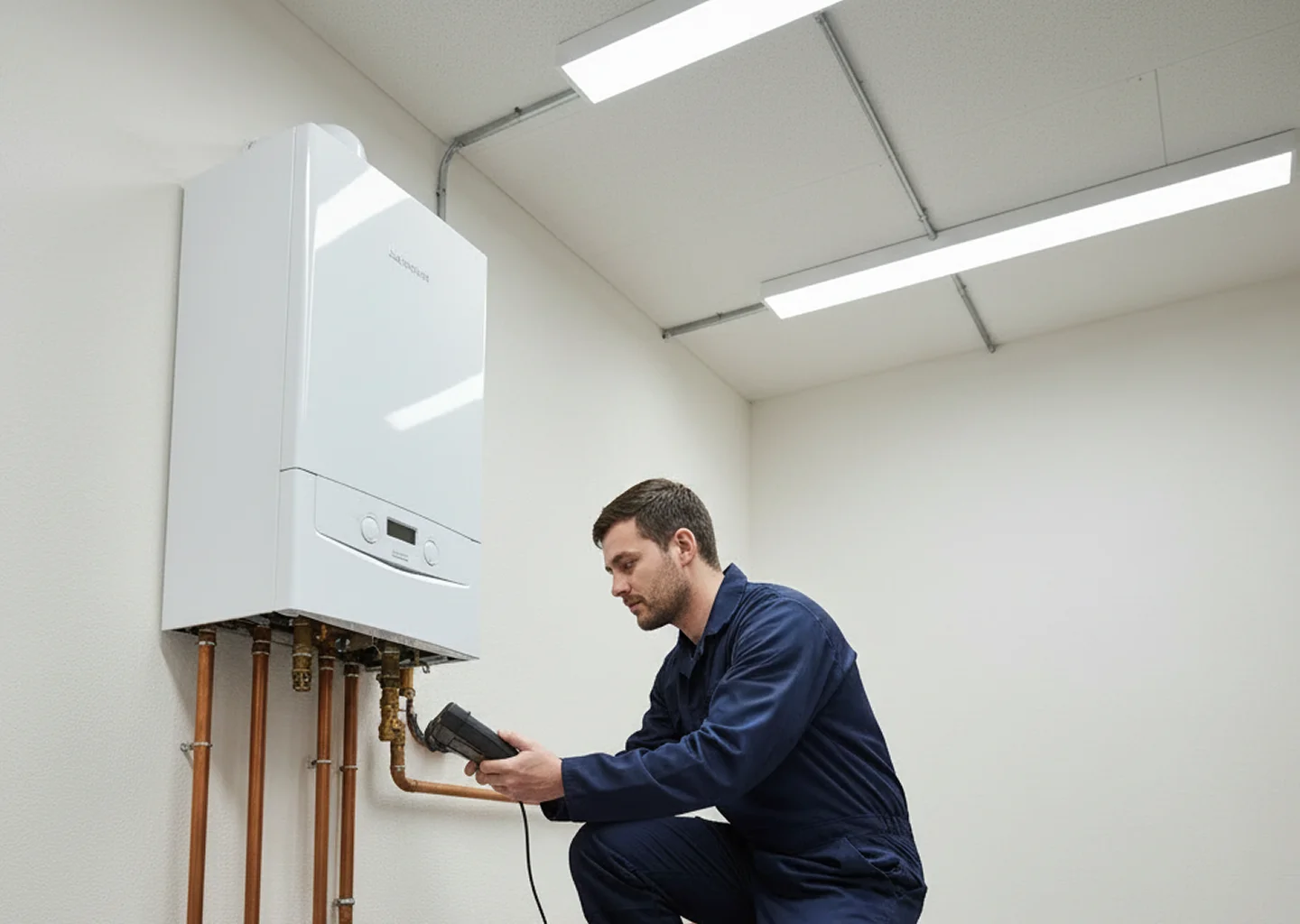
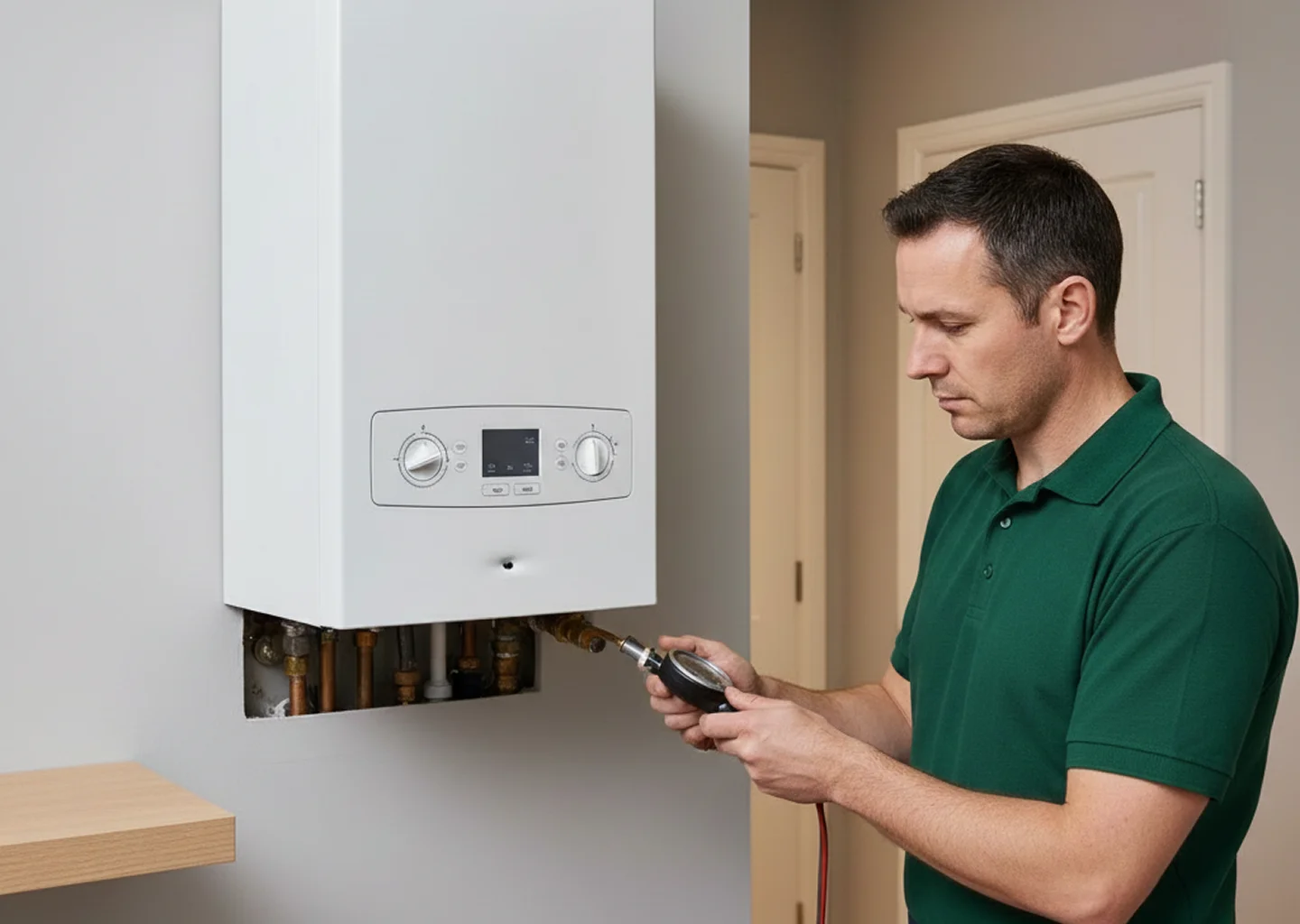
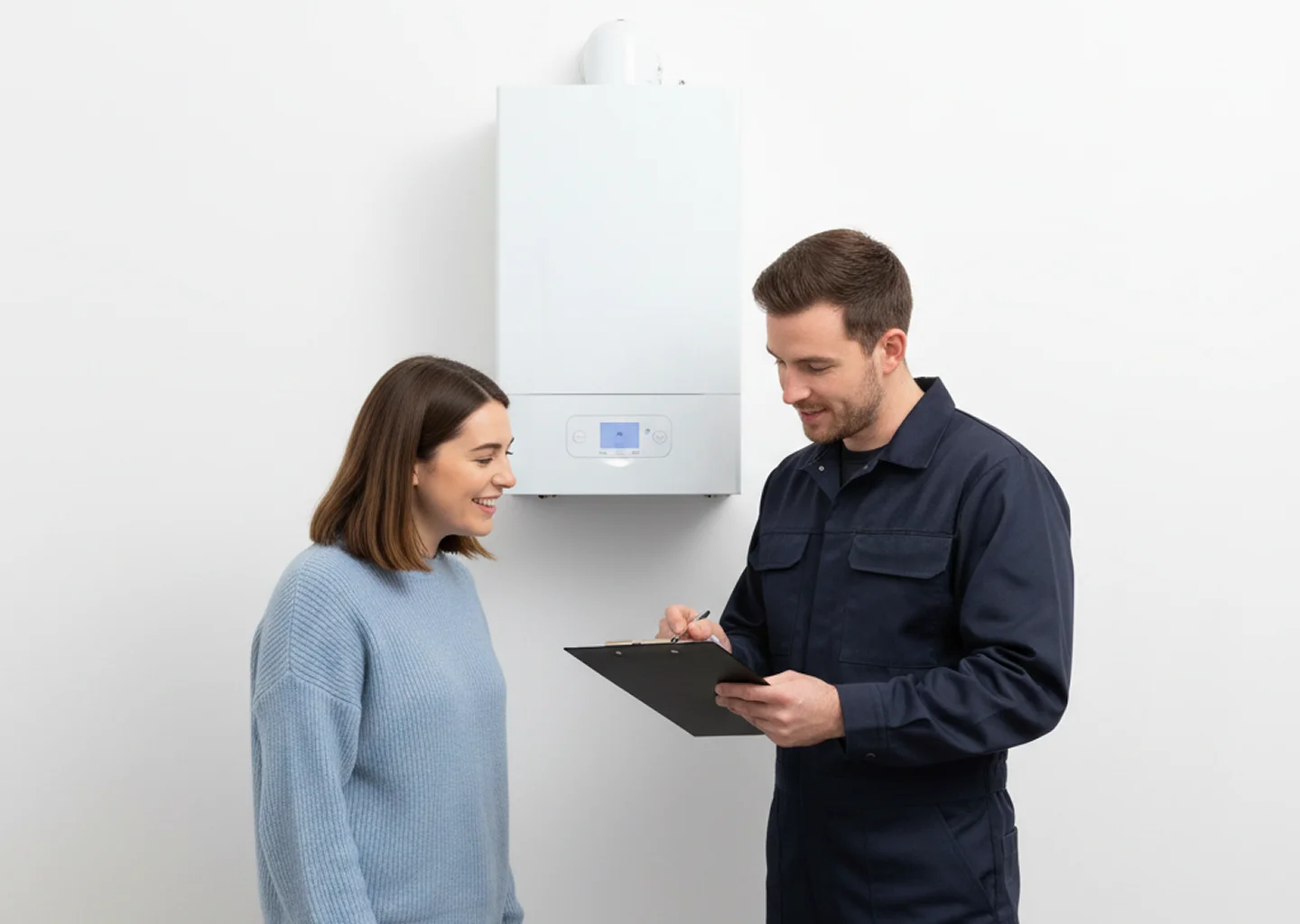
If your rental property has gas appliances, including a gas water heater or a gas-fired boiler, landlords are legally required to ensure that the appliances are regularly maintained and checked for safety. An annual gas safety check is mandatory, and you must provide tenants with a copy of the gas safety certificate within 28 days of the inspection.
Failure to comply with gas safety regulations can have serious consequences, including fines and, in extreme cases, imprisonment. To stay compliant, always hire a Gas Safe-registered engineer to carry out the checks and maintenance.
5. Providing Adequate Hot Water and Heating
Landlords are responsible for ensuring that the property has an adequate supply of hot water and heating. This is particularly important in properties that are rented out on a long-term basis. If the plumbing system is unable to provide sufficient hot water or if the heating system fails, it can cause major issues for tenants.
If your property relies on a boiler for heating and hot water, it is your responsibility to ensure the boiler is in good working order. If it breaks down, tenants should not be left without heat or hot water for extended periods. For emergency repairs, contact a professional plumber or heating engineer.
For landlords in need of urgent repairs or installations, Kentish Plumbers offers Emergency Plumbing Services to ensure tenants are not left in discomfort for too long.
How to Handle Plumbing Emergencies
As a landlord, it’s important to be prepared for plumbing emergencies. Some emergencies, such as a burst pipe or a gas leak, require immediate action to avoid property damage or health risks.
Steps to Handle a Plumbing Emergency:
- Shut off the water supply: In case of a burst pipe or leak, the first step is to turn off the water supply to prevent further flooding.
- Call a professional plumber: It’s important to contact a certified plumber to fix the issue quickly. Having a reliable plumber, like Kentish Plumbers, on standby can save you time in emergency situations.
- Notify your tenants: Keep your tenants informed about the issue and the steps you are taking to resolve it. Open communication can reduce frustration and help prevent tenant complaints.
Follow up: After the issue is resolved, follow up with your tenants to ensure that everything is functioning properly.
The Importance of Hiring a Professional Plumber
While it might be tempting to attempt DIY plumbing repairs, plumbing is a skilled trade that requires professional knowledge and tools. Improper repairs can make problems worse, causing further damage to your property and increasing repair costs.
Hiring a professional plumber ensures that the issue is resolved correctly and safely, minimising the risk of future problems. Kentish Plumbers offers professional plumbing services, including routine maintenance, emergency repairs, and installations, to help landlords maintain the plumbing systems in their rental properties.
For more information, visit Kentish Plumbers.
Conclusion
As a landlord, ensuring that your rental property’s plumbing system is in good working order is not only a legal responsibility but also a way to provide your tenants with a safe and comfortable living environment. Regular maintenance, prompt repairs, and compliance with gas safety regulations are all part of being a responsible landlord.
If you are facing plumbing issues or need help with plumbing maintenance in your rental property, consider hiring a trusted professional like Kentish Plumbers. They offer a wide range of plumbing services, including Emergency Plumbing Services, to keep your property in top shape.
For more information, visit Kentish Plumbers Emergency Plumbing Services.

FAQs About Landlord Plumbing Responsibilities
Related articles


Related Plumbing & Heating Guides for Landlords
As a landlord, it’s important to be aware of your legal obligations when it comes to the maintenance and repair of plumbing systems in your rental property.
Plumbing issues can have a significant impact on your tenants’ comfort and safety, and as the property owner, you are responsible for ensuring the plumbing systems are in good working order. Failing to meet your plumbing responsibilities could lead to complaints from tenants, costly repairs, and even legal consequences.
In this article, we’ll break down the key plumbing responsibilities that landlords must be aware of and how to ensure your rental property remains compliant and well-maintained.
Legal Plumbing Responsibilities for Landlords
In the UK, landlords have certain legal obligations under the Landlord and Tenant Act 1985, which specifies that plumbing systems, heating systems, and appliances should be kept in good working order throughout the tenancy. Failure to meet these requirements could result in financial penalties, tenant complaints, or issues with local authorities.
1. Ensuring Plumbing Systems Are Safe and Functional
Landlords are required to ensure that the plumbing systems in their rental properties are in a safe and working condition. This includes ensuring that the water supply, drainage, and sewage systems are functioning properly and not posing any health risks to tenants.
- Water supply: Make sure the water supply to your property is reliable, clean, and safe to use.
- Drainage: Drainage systems should be free from blockages or leaks that could cause water damage to the property.
- Sewage: The sewage system must be properly maintained to avoid issues such as backups or unpleasant odours.
By keeping these systems in good working order, you ensure the health and safety of your tenants.
2. Addressing Plumbing Issues Promptly
When plumbing problems arise in a rental property, landlords must respond quickly to avoid further damage and inconvenience for tenants. Plumbing issues such as leaking pipes, blocked drains, or broken water heaters should be addressed as soon as they are reported to ensure tenants’ living conditions are not disrupted.
Some common plumbing issues that landlords may need to address promptly include:
- Leaking pipes: Leaks can cause water damage to the property and increase utility bills.
- Blocked drains: Blocked or slow-draining sinks, showers, or toilets can create unpleasant living conditions.
- Faulty boilers: A broken boiler can leave tenants without hot water or heating, which is a major inconvenience, especially during the colder months.
It’s important to have a reliable plumber you can call to resolve any plumbing issues quickly. Kentish Plumbers offers expert plumbing services to help landlords keep their properties in good condition.
3. Carrying Out Regular Inspections and Maintenance
To avoid emergency plumbing repairs, landlords should conduct regular inspections of the plumbing systems in their properties. Routine maintenance can help identify small issues before they turn into major problems, saving time and money in the long run.
Consider scheduling an annual plumbing inspection to check for signs of wear and tear, such as:
- Pipe corrosion: Over time, pipes can corrode, which can lead to leaks and poor water pressure.
- Water pressure issues: Low or fluctuating water pressure can indicate underlying plumbing problems.
- Worn-out seals and joints: Old or deteriorating seals can lead to leaks if not replaced.
Regular maintenance can help keep plumbing systems functioning efficiently and reduce the likelihood of costly repairs.
4. Gas Safety
If your rental property has gas appliances, including a gas water heater or a gas-fired boiler, landlords are legally required to ensure that the appliances are regularly maintained and checked for safety. An annual gas safety check is mandatory, and you must provide tenants with a copy of the gas safety certificate within 28 days of the inspection.
Failure to comply with gas safety regulations can have serious consequences, including fines and, in extreme cases, imprisonment. To stay compliant, always hire a Gas Safe-registered engineer to carry out the checks and maintenance.
5. Providing Adequate Hot Water and Heating
Landlords are responsible for ensuring that the property has an adequate supply of hot water and heating. This is particularly important in properties that are rented out on a long-term basis. If the plumbing system is unable to provide sufficient hot water or if the heating system fails, it can cause major issues for tenants.
If your property relies on a boiler for heating and hot water, it is your responsibility to ensure the boiler is in good working order. If it breaks down, tenants should not be left without heat or hot water for extended periods. For emergency repairs, contact a professional plumber or heating engineer.
For landlords in need of urgent repairs or installations, Kentish Plumbers offers Emergency Plumbing Services to ensure tenants are not left in discomfort for too long.
How to Handle Plumbing Emergencies
As a landlord, it’s important to be prepared for plumbing emergencies. Some emergencies, such as a burst pipe or a gas leak, require immediate action to avoid property damage or health risks.
Steps to Handle a Plumbing Emergency:
- Shut off the water supply: In case of a burst pipe or leak, the first step is to turn off the water supply to prevent further flooding.
- Call a professional plumber: It’s important to contact a certified plumber to fix the issue quickly. Having a reliable plumber, like Kentish Plumbers, on standby can save you time in emergency situations.
- Notify your tenants: Keep your tenants informed about the issue and the steps you are taking to resolve it. Open communication can reduce frustration and help prevent tenant complaints.
Follow up: After the issue is resolved, follow up with your tenants to ensure that everything is functioning properly.
The Importance of Hiring a Professional Plumber
While it might be tempting to attempt DIY plumbing repairs, plumbing is a skilled trade that requires professional knowledge and tools. Improper repairs can make problems worse, causing further damage to your property and increasing repair costs.
Hiring a professional plumber ensures that the issue is resolved correctly and safely, minimising the risk of future problems. Kentish Plumbers offers professional plumbing services, including routine maintenance, emergency repairs, and installations, to help landlords maintain the plumbing systems in their rental properties.
For more information, visit Kentish Plumbers.
Conclusion
As a landlord, ensuring that your rental property’s plumbing system is in good working order is not only a legal responsibility but also a way to provide your tenants with a safe and comfortable living environment. Regular maintenance, prompt repairs, and compliance with gas safety regulations are all part of being a responsible landlord.
If you are facing plumbing issues or need help with plumbing maintenance in your rental property, consider hiring a trusted professional like Kentish Plumbers. They offer a wide range of plumbing services, including Emergency Plumbing Services, to keep your property in top shape.
For more information, visit Kentish Plumbers Emergency Plumbing Services.