Planning a Home Extension? Do You Need a New Boiler?
Extending your home is an exciting project. Whether you are adding extra living space, creating a larger kitchen, or building an additional bedroom, it is a chance to improve both comfort and functionality.

Why you can trust our content
We understand that the boiler industry can be confusing, with plenty of outdated or misleading information. That’s why we rely only on trusted, proven sources to guide our advice and installations:






At a glance
However, one area that is often overlooked during planning is your heating system. A boiler that works perfectly for your current space may struggle to meet the demands of a larger property. Understanding whether you need an upgrade can help you avoid problems later.
If you are planning an extension and want expert advice on your heating system, you can speak to Kentish Plumbers for tailored guidance before work begins.
Do you always need a new boiler for an extension?
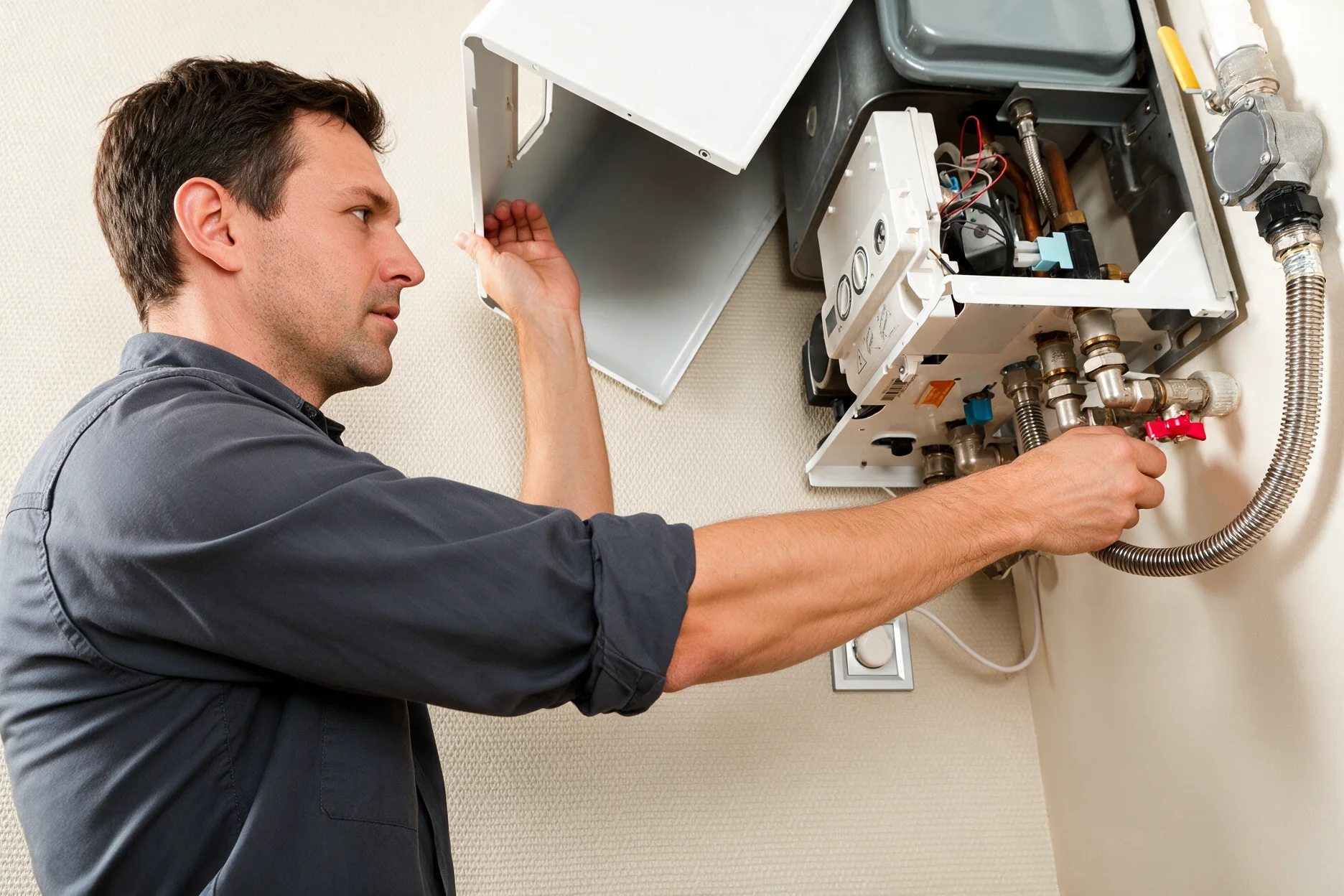
Not always. In some cases, your existing boiler may be capable of handling the additional demand. However, this depends on several factors, including the size of the extension and your current system’s capacity.
You may not need a new boiler if:
- Your existing boiler is relatively new and efficient
- The extension is small
- The system was originally sized with extra capacity
You may need an upgrade if:
- The boiler is already working at full capacity
- You are adding multiple rooms or bathrooms
- You notice performance issues after the extension
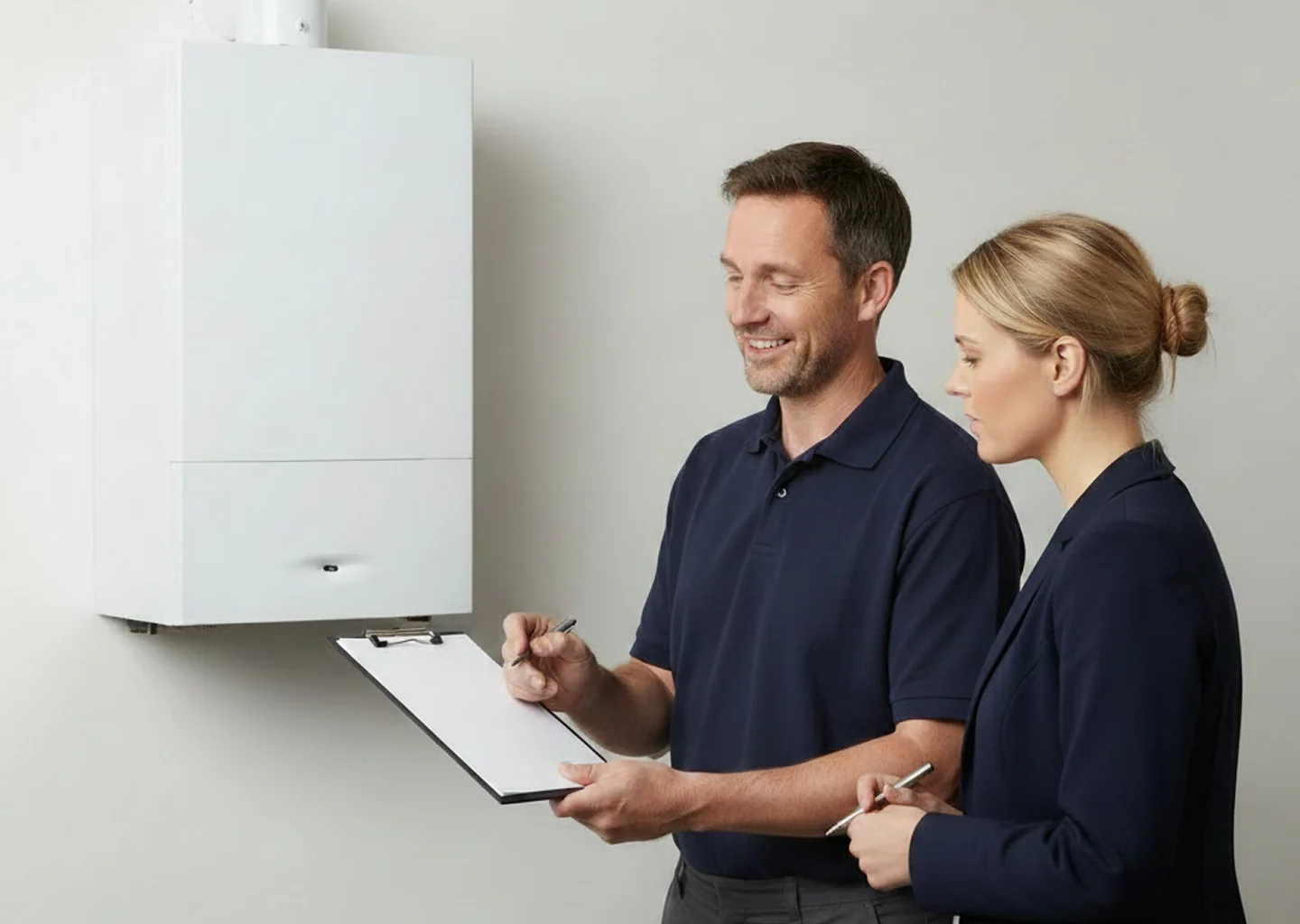
A professional assessment is the best way to determine what is suitable for your home.
How does an extension affect your heating system?
When you increase the size of your property, your heating system must work harder to maintain comfortable temperatures throughout.
This can lead to:
- Reduced heating efficiency
- Slower hot water delivery
- Uneven temperatures across rooms
- Increased energy consumption
If the system is not designed to handle the additional load, these issues can quickly become noticeable.
What are the signs that your boiler is no longer suitable?
Sometimes, the need for an upgrade only becomes clear after the extension is complete.
Common warning signs include:
- Radiators are not heating fully
- Hot water is running out quickly
- Boiler running constantly
- Increased energy bills
- Inconsistent temperatures
These signs often indicate that the boiler is struggling to meet demand.
How is the right boiler size determined?
Boiler sizing is not just about the number of rooms – it involves calculating the overall heat demand of the property.
Factors considered include:
- Total floor area
- Number of radiators
- Insulation levels
- Number of bathrooms
- Hot water usage
Getting this calculation right ensures the system operates efficiently and avoids unnecessary strain.
Which fuel powers your boiler?

Mains Gas

LPG

Other
It just takes 60 Seconds
And then you can book a free consultation
What is the typical cost of upgrading during an extension?
The cost of upgrading your boiler during an extension can vary depending on the system type and installation requirements.
|
Upgrade Type |
Typical Cost Range |
When It’s Needed |
|
Minor system upgrade |
£500 – £1,500 |
Small extensions |
|
Boiler replacement |
£2,000 – £4,500 |
Medium to large extensions |
|
Full system redesign |
£4,000 – £7,000+ |
Major renovations or layout changes |
For homeowners planning ahead, understanding the new boiler cost in Tunbridge Wells can help with budgeting and avoiding unexpected expenses.
Should you upgrade your boiler before or after the extension?
Ideally, any heating system upgrades should be planned before or during the extension, not after.
Benefits of upgrading early:
- Easier integration with new pipework
- Reduced disruption later
- Better overall system design
- Avoiding temporary performance issues
Waiting until after completion can lead to additional costs and inconvenience.
Can your current boiler be adapted instead?
In some cases, it may be possible to adapt your existing system rather than replacing it entirely.
This could involve:
- Adding extra radiators
- Upgrading the pump
- Improving system controls
- Installing a hot water cylinder
However, these solutions are only suitable if the boiler has enough capacity to support the changes.
What role does system design play?
A home extension is an opportunity to rethink your heating system as a whole, not just the boiler.
A well-designed system ensures:
- Even heat distribution
- Efficient energy use
- Reliable hot water supply
- Compatibility with modern controls
This approach can improve comfort while keeping running costs manageable.
If you are unsure whether your current system is suitable, Kentish Plumbers can assess your setup and recommend the most practical solution.
A typical scenario: Extending a family home
Imagine a homeowner adding a kitchen extension and an additional bathroom. The existing boiler was adequate for the original layout but struggles once the new space is in use.
After experiencing:
- Reduced water pressure
- Slower heating response
- Higher energy bills
They decide to upgrade to a larger, more efficient system. By doing so, they restore comfort and improve overall performance.
This type of situation highlights why planning ahead is so important.
How can you future-proof your heating system?
When upgrading, it is worth thinking beyond your current needs.
Consider:
- Potential future extensions
- Increased household demand
- Energy efficiency improvements
- Smart heating controls
By planning for the future, you can avoid the need for further upgrades later.
How do you balance cost and performance?
It is natural to focus on cost when planning an extension, but choosing the cheapest option is not always the best approach.
A balanced decision should consider:
- Upfront installation costs
- Long-term energy savings
- Reliability and lifespan
- Maintenance requirements
Evaluating the new boiler cost in Tunbridge Wells alongside these factors helps ensure you make a well-informed choice.
FAQs
A home extension changes more than just your living space – it also affects how your heating system performs. Taking the time to assess your boiler’s capacity can prevent future issues and ensure your home remains comfortable.
By planning ahead and seeking professional advice, you can make informed decisions that balance performance, efficiency, and cost. Understanding the new boiler cost in Tunbridge Wells as part of your project planning helps avoid surprises and keeps your build running smoothly.
If you are preparing for an extension and want expert support, contact Kentish Plumbers to discuss your heating requirements and explore the best options for your home.
Related articles

Which fuel powers your boiler?
Mains Gas
LPG
Other
At a glance
However, one area that is often overlooked during planning is your heating system. A boiler that works perfectly for your current space may struggle to meet the demands of a larger property. Understanding whether you need an upgrade can help you avoid problems later.
If you are planning an extension and want expert advice on your heating system, you can speak to Kentish Plumbers for tailored guidance before work begins.
Do you always need a new boiler for an extension?
Not always. In some cases, your existing boiler may be capable of handling the additional demand. However, this depends on several factors, including the size of the extension and your current system’s capacity.
You may not need a new boiler if:
- Your existing boiler is relatively new and efficient
- The extension is small
- The system was originally sized with extra capacity
You may need an upgrade if:
- The boiler is already working at full capacity
- You are adding multiple rooms or bathrooms
- You notice performance issues after the extension
A professional assessment is the best way to determine what is suitable for your home.
How does an extension affect your heating system?
When you increase the size of your property, your heating system must work harder to maintain comfortable temperatures throughout.
This can lead to:
- Reduced heating efficiency
- Slower hot water delivery
- Uneven temperatures across rooms
- Increased energy consumption
If the system is not designed to handle the additional load, these issues can quickly become noticeable.
What are the signs that your boiler is no longer suitable?
Sometimes, the need for an upgrade only becomes clear after the extension is complete.
Common warning signs include:
- Radiators are not heating fully
- Hot water is running out quickly
- Boiler running constantly
- Increased energy bills
- Inconsistent temperatures
These signs often indicate that the boiler is struggling to meet demand.
How is the right boiler size determined?
Boiler sizing is not just about the number of rooms – it involves calculating the overall heat demand of the property.
Factors considered include:
- Total floor area
- Number of radiators
- Insulation levels
- Number of bathrooms
- Hot water usage
Getting this calculation right ensures the system operates efficiently and avoids unnecessary strain.
Which fuel powers your boiler?
Mains Gas
LPG
Other
It just takes 60 Seconds
And then you can book a free consultation
What is the typical cost of upgrading during an extension?
The cost of upgrading your boiler during an extension can vary depending on the system type and installation requirements.
|
Upgrade Type |
Typical Cost Range |
When It’s Needed |
|
Minor system upgrade |
£500 – £1,500 |
Small extensions |
|
Boiler replacement |
£2,000 – £4,500 |
Medium to large extensions |
|
Full system redesign |
£4,000 – £7,000+ |
Major renovations or layout changes |
For homeowners planning ahead, understanding the new boiler cost in Tunbridge Wells can help with budgeting and avoiding unexpected expenses.
Should you upgrade your boiler before or after the extension?
Ideally, any heating system upgrades should be planned before or during the extension, not after.
Benefits of upgrading early:
- Easier integration with new pipework
- Reduced disruption later
- Better overall system design
- Avoiding temporary performance issues
Waiting until after completion can lead to additional costs and inconvenience.
Can your current boiler be adapted instead?
In some cases, it may be possible to adapt your existing system rather than replacing it entirely.
This could involve:
- Adding extra radiators
- Upgrading the pump
- Improving system controls
- Installing a hot water cylinder
However, these solutions are only suitable if the boiler has enough capacity to support the changes.
What role does system design play?
A home extension is an opportunity to rethink your heating system as a whole, not just the boiler.
A well-designed system ensures:
- Even heat distribution
- Efficient energy use
- Reliable hot water supply
- Compatibility with modern controls
This approach can improve comfort while keeping running costs manageable.
If you are unsure whether your current system is suitable, Kentish Plumbers can assess your setup and recommend the most practical solution.
A typical scenario: Extending a family home
Imagine a homeowner adding a kitchen extension and an additional bathroom. The existing boiler was adequate for the original layout but struggles once the new space is in use.
After experiencing:
- Reduced water pressure
- Slower heating response
- Higher energy bills
They decide to upgrade to a larger, more efficient system. By doing so, they restore comfort and improve overall performance.
This type of situation highlights why planning ahead is so important.
How can you future-proof your heating system?
When upgrading, it is worth thinking beyond your current needs.
Consider:
- Potential future extensions
- Increased household demand
- Energy efficiency improvements
- Smart heating controls
By planning for the future, you can avoid the need for further upgrades later.
How do you balance cost and performance?
It is natural to focus on cost when planning an extension, but choosing the cheapest option is not always the best approach.
A balanced decision should consider:
- Upfront installation costs
- Long-term energy savings
- Reliability and lifespan
- Maintenance requirements
Evaluating the new boiler cost in Tunbridge Wells alongside these factors helps ensure you make a well-informed choice.
FAQs
A home extension changes more than just your living space – it also affects how your heating system performs. Taking the time to assess your boiler’s capacity can prevent future issues and ensure your home remains comfortable.
By planning ahead and seeking professional advice, you can make informed decisions that balance performance, efficiency, and cost. Understanding the new boiler cost in Tunbridge Wells as part of your project planning helps avoid surprises and keeps your build running smoothly.
If you are preparing for an extension and want expert support, contact Kentish Plumbers to discuss your heating requirements and explore the best options for your home.
Related articles
Which fuel powers your boiler?
Mains Gas
LPG
Other