
Emergency Boiler Repair Tonbridge: What to Do Before Calling an Engineer
A boiler problem can quickly become stressful, especially when your home suddenly loses heating or hot water during colder weather. While some boiler issues are minor and easy to resolve, others require professional attention to prevent further problems.

Why you can trust our content
We understand that the boiler industry can be confusing, with plenty of outdated or misleading information. That’s why we rely only on trusted, proven sources to guide our advice and installations:






At a glance
Knowing what steps to take before contacting an engineer can help you stay safe, gather useful information and potentially identify simple issues that do not require immediate repairs.
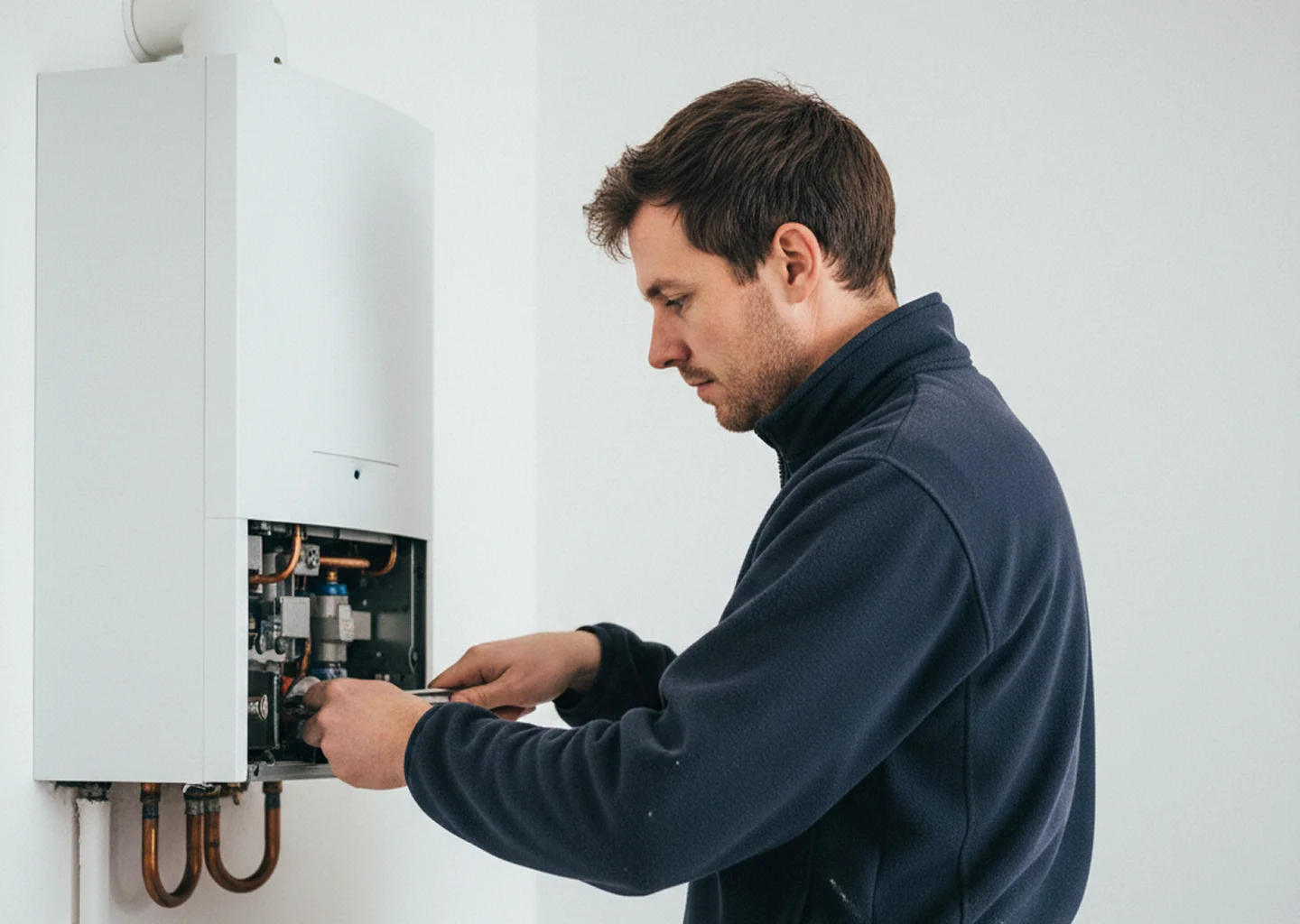
Before attempting anything with your heating system, it is important to remember that boilers contain complex components involving gas, electricity and water. If you are unsure about a problem, professional advice is always the safest option.
If your boiler has stopped working or you are concerned about a fault, Kentish Plumbers can help you understand the next steps and arrange suitable support.
What should you check before calling a boiler engineer?
When your boiler stops working, it can be tempting to immediately search for help. However, a few basic checks may provide useful information before an engineer arrives.
Start by checking:
- Whether your boiler has power
- If the display panel is showing an error code
- Whether the thermostat is set correctly
- If other appliances in your home are working
- Whether the boiler pressure appears normal
These checks do not replace professional repairs, but they can help explain the issue clearly when speaking with a heating engineer.
For example, an error code displayed on the boiler may help an engineer understand the likely cause before visiting your property.
Is your boiler showing signs of a serious problem?
Some boiler issues should not be ignored. While occasional faults can happen with any heating system, certain warning signs require prompt attention.
You should seek professional help if you notice:
- A smell of gas around the boiler
- Leaking water near the appliance
- Strange banging or vibrating noises
- Frequent loss of pressure
- The boiler repeatedly switching off
- No heating or hot water during cold conditions
Safety should always come first. If you suspect a gas leak, leave the property if necessary and follow the appropriate emergency procedures rather than attempting repairs yourself.
What information should you have ready before arranging a repair?
Providing clear details can help an engineer prepare for the visit and identify possible solutions more efficiently.
Useful information includes:
|
Information |
Why it helps |
|
Boiler make and model |
Helps identify parts and system details |
|
Error codes displayed |
Gives clues about possible faults |
|
When the problem started |
Shows whether the issue is sudden or developing |
|
Previous repair history |
Helps identify recurring problems |
|
Any unusual sounds or smells |
Helps assess the type of fault |
Having these details available can make communication easier and may reduce delays when arranging a visit.
Which fuel powers your boiler?

Mains Gas

LPG
It just takes 60 Seconds
And then you can book a free consultation
Can you reset a boiler before arranging a repair?
Many boilers have a reset function, and manufacturers often include this as part of normal operation. In some cases, a temporary fault can clear after a reset.
However, repeated resets are not a solution if the same problem keeps returning. A boiler that frequently switches off may have an underlying fault that needs professional assessment.
If your boiler continues to fail after basic checks, arranging a boiler repair Tonbridge service can help identify the cause and restore reliable heating.
A trained engineer can inspect the system properly rather than relying on temporary fixes.
How much does boiler repair usually cost?
The cost of repairing a boiler depends on the fault, replacement parts required and the time needed to complete the work.
The boiler repair cost Tonbridge homeowners may pay can vary depending on factors such as:
- The type of boiler installed
- The complexity of the fault
- Whether replacement parts are needed
- The age and condition of the system
Minor repairs may be relatively straightforward, while larger component failures can require more extensive work.
Understanding the likely cost involved can help homeowners decide whether repairing the current boiler remains worthwhile or whether a replacement should be considered.
If you are unsure whether your boiler needs a repair or a more permanent solution, Kentish Plumbers can provide professional guidance based on your system’s condition.
What should you avoid doing when your boiler breaks down?
When a boiler stops working, it is understandable to want a quick solution. However, attempting repairs yourself can create safety risks and may make the problem worse.
Avoid:
- Removing boiler covers
- Attempting to repair internal components
- Ignoring unusual smells or leaks
- Repeatedly restarting a boiler with ongoing faults
- Using unsuitable temporary heating methods near the appliance
Only qualified professionals should work on gas appliances or complex heating components.
Why do boilers break down unexpectedly?
Boiler breakdowns can happen for many reasons. Some problems develop gradually, while others appear suddenly.
Common causes include:
- Wear and tear from regular use
- Poor system maintenance
- Low water pressure
- Faulty components
- Issues with thermostats or controls
- Build-up within parts of the heating system
Regular servicing can help identify potential issues before they become unexpected failures.
Can regular servicing reduce the need for emergency repairs?
Although servicing cannot prevent every possible fault, it can help maintain the condition of your heating system and highlight problems early.
A boiler service allows an engineer to check important components, assess performance and identify signs of wear before they develop into larger issues.
This proactive approach can be especially valuable before winter when your heating system is likely to work harder.
A typical Tonbridge emergency repair situation
A common example is a homeowner discovering that their boiler has stopped producing hot water on a cold morning. After checking the display, they notice an error code and confirm that the boiler pressure is low.
Instead of attempting a complicated repair, they contact a qualified engineer who assesses the system, identifies the cause and completes the necessary work.
In some cases, the repair may be a simple adjustment or component replacement. In others, the inspection may reveal that the boiler is reaching the end of its useful life and replacement should be considered.
When should you choose emergency boiler repair?
Emergency repairs are usually needed when a boiler problem affects essential heating or hot water, creates a safety concern or risks causing further damage.
You may need urgent assistance if:
- Your boiler has completely stopped working
- There is a suspected gas issue
- Water is leaking from the system
- Temperatures are extremely low and heating is unavailable
- A fault is causing repeated shutdowns
Quick action can help prevent minor issues becoming larger problems.
Frequently Asked Questions
Getting reliable help when your boiler fails
A boiler breakdown is inconvenient, but knowing what to do can make the situation easier to manage. Basic checks, clear information and professional support can help restore heating and hot water safely.
Kentish Plumbers provides expert guidance for homeowners who need help with boiler problems. Whether you require a repair, advice on ongoing issues or support understanding your options, our team can help you make an informed decision.
For dependable assistance with heating problems, speak to Kentish Plumbers today and arrange professional advice for your home.
Related articles
Which fuel powers your boiler?
Mains Gas
LPG
At a glance
Knowing what steps to take before contacting an engineer can help you stay safe, gather useful information and potentially identify simple issues that do not require immediate repairs.
Before attempting anything with your heating system, it is important to remember that boilers contain complex components involving gas, electricity and water. If you are unsure about a problem, professional advice is always the safest option.
If your boiler has stopped working or you are concerned about a fault, Kentish Plumbers can help you understand the next steps and arrange suitable support.
What should you check before calling a boiler engineer?
When your boiler stops working, it can be tempting to immediately search for help. However, a few basic checks may provide useful information before an engineer arrives.
Start by checking:
- Whether your boiler has power
- If the display panel is showing an error code
- Whether the thermostat is set correctly
- If other appliances in your home are working
- Whether the boiler pressure appears normal
These checks do not replace professional repairs, but they can help explain the issue clearly when speaking with a heating engineer.
For example, an error code displayed on the boiler may help an engineer understand the likely cause before visiting your property.
Is your boiler showing signs of a serious problem?
Some boiler issues should not be ignored. While occasional faults can happen with any heating system, certain warning signs require prompt attention.
You should seek professional help if you notice:
- A smell of gas around the boiler
- Leaking water near the appliance
- Strange banging or vibrating noises
- Frequent loss of pressure
- The boiler repeatedly switching off
- No heating or hot water during cold conditions
Safety should always come first. If you suspect a gas leak, leave the property if necessary and follow the appropriate emergency procedures rather than attempting repairs yourself.
What information should you have ready before arranging a repair?
Providing clear details can help an engineer prepare for the visit and identify possible solutions more efficiently.
Useful information includes:
|
Information |
Why it helps |
|
Boiler make and model |
Helps identify parts and system details |
|
Error codes displayed |
Gives clues about possible faults |
|
When the problem started |
Shows whether the issue is sudden or developing |
|
Previous repair history |
Helps identify recurring problems |
|
Any unusual sounds or smells |
Helps assess the type of fault |
Having these details available can make communication easier and may reduce delays when arranging a visit.
Which fuel powers your boiler?
Mains Gas
LPG
It just takes 60 Seconds
And then you can book a free consultation
Can you reset a boiler before arranging a repair?
Many boilers have a reset function, and manufacturers often include this as part of normal operation. In some cases, a temporary fault can clear after a reset.
However, repeated resets are not a solution if the same problem keeps returning. A boiler that frequently switches off may have an underlying fault that needs professional assessment.
If your boiler continues to fail after basic checks, arranging a boiler repair Tonbridge service can help identify the cause and restore reliable heating.
A trained engineer can inspect the system properly rather than relying on temporary fixes.
How much does boiler repair usually cost?
The cost of repairing a boiler depends on the fault, replacement parts required and the time needed to complete the work.
The boiler repair cost Tonbridge homeowners may pay can vary depending on factors such as:
- The type of boiler installed
- The complexity of the fault
- Whether replacement parts are needed
- The age and condition of the system
Minor repairs may be relatively straightforward, while larger component failures can require more extensive work.
Understanding the likely cost involved can help homeowners decide whether repairing the current boiler remains worthwhile or whether a replacement should be considered.
If you are unsure whether your boiler needs a repair or a more permanent solution, Kentish Plumbers can provide professional guidance based on your system’s condition.
What should you avoid doing when your boiler breaks down?
When a boiler stops working, it is understandable to want a quick solution. However, attempting repairs yourself can create safety risks and may make the problem worse.
Avoid:
- Removing boiler covers
- Attempting to repair internal components
- Ignoring unusual smells or leaks
- Repeatedly restarting a boiler with ongoing faults
- Using unsuitable temporary heating methods near the appliance
Only qualified professionals should work on gas appliances or complex heating components.
Why do boilers break down unexpectedly?
Boiler breakdowns can happen for many reasons. Some problems develop gradually, while others appear suddenly.
Common causes include:
- Wear and tear from regular use
- Poor system maintenance
- Low water pressure
- Faulty components
- Issues with thermostats or controls
- Build-up within parts of the heating system
Regular servicing can help identify potential issues before they become unexpected failures.
Can regular servicing reduce the need for emergency repairs?
Although servicing cannot prevent every possible fault, it can help maintain the condition of your heating system and highlight problems early.
A boiler service allows an engineer to check important components, assess performance and identify signs of wear before they develop into larger issues.
This proactive approach can be especially valuable before winter when your heating system is likely to work harder.
A typical Tonbridge emergency repair situation
A common example is a homeowner discovering that their boiler has stopped producing hot water on a cold morning. After checking the display, they notice an error code and confirm that the boiler pressure is low.
Instead of attempting a complicated repair, they contact a qualified engineer who assesses the system, identifies the cause and completes the necessary work.
In some cases, the repair may be a simple adjustment or component replacement. In others, the inspection may reveal that the boiler is reaching the end of its useful life and replacement should be considered.
When should you choose emergency boiler repair?
Emergency repairs are usually needed when a boiler problem affects essential heating or hot water, creates a safety concern or risks causing further damage.
You may need urgent assistance if:
- Your boiler has completely stopped working
- There is a suspected gas issue
- Water is leaking from the system
- Temperatures are extremely low and heating is unavailable
- A fault is causing repeated shutdowns
Quick action can help prevent minor issues becoming larger problems.
Frequently Asked Questions
Getting reliable help when your boiler fails
A boiler breakdown is inconvenient, but knowing what to do can make the situation easier to manage. Basic checks, clear information and professional support can help restore heating and hot water safely.
Kentish Plumbers provides expert guidance for homeowners who need help with boiler problems. Whether you require a repair, advice on ongoing issues or support understanding your options, our team can help you make an informed decision.
For dependable assistance with heating problems, speak to Kentish Plumbers today and arrange professional advice for your home.
Related articles
Which fuel powers your boiler?
Mains Gas
LPG