
Boiler Replacement Tonbridge: When a Repair No Longer Makes Sense
A boiler breakdown does not always mean you need a completely new heating system. In many cases, a repair can restore your heating and hot water without the expense of replacing the appliance. However, there comes a point when repeated repairs, rising costs and poor efficiency make replacement the more practical option.

Why you can trust our content
We understand that the boiler industry can be confusing, with plenty of outdated or misleading information. That’s why we rely only on trusted, proven sources to guide our advice and installations:






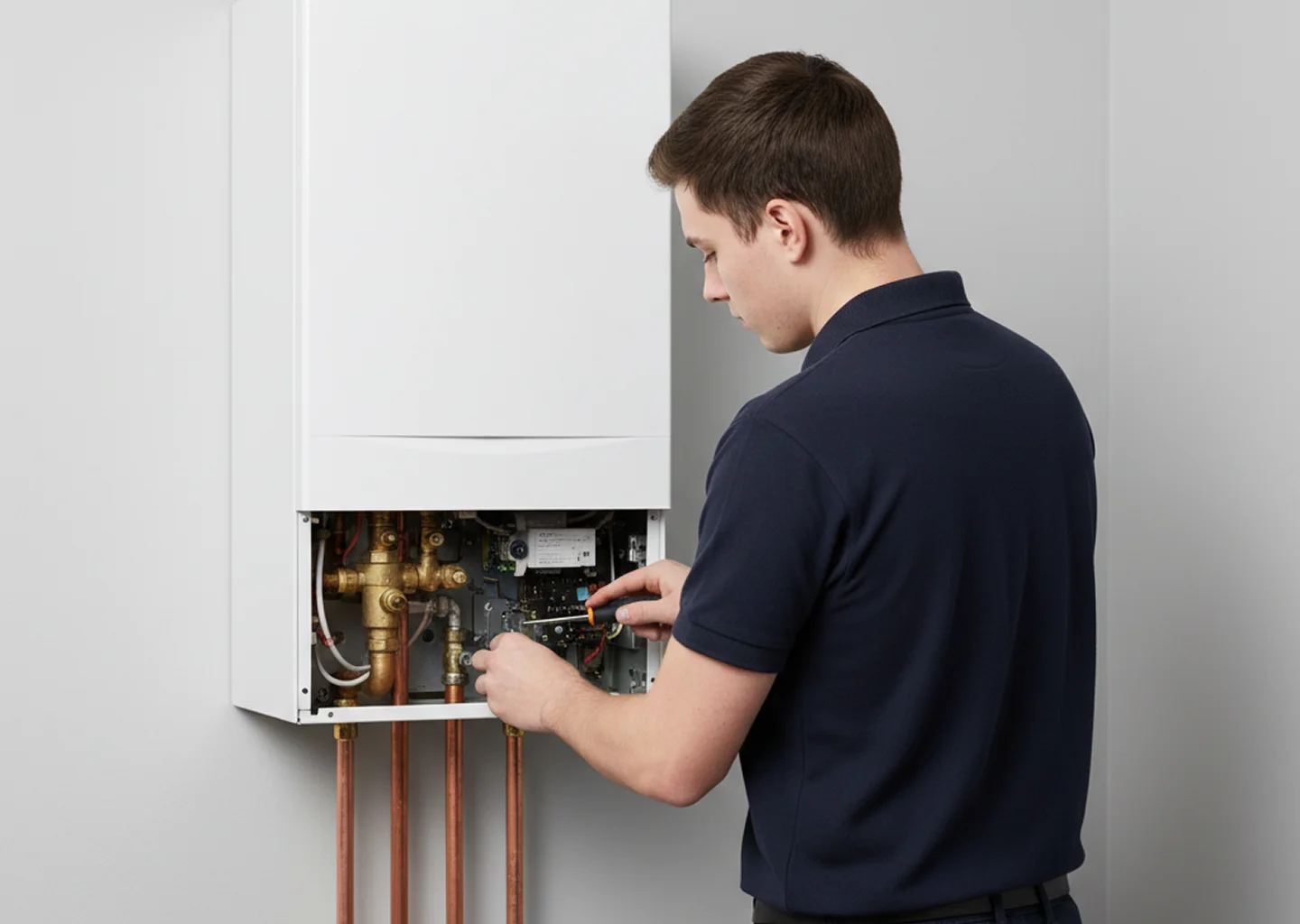
At a glance
For homeowners, deciding whether to repair or replace a boiler can feel difficult. The right choice depends on factors such as the age of the boiler, its condition, repair history and how efficiently it is operating.
If you are unsure whether your current boiler is worth repairing, speaking to an experienced heating professional can help you understand the options available before making a decision. Kentish Plumbers can provide practical advice based on your home’s requirements and heating needs.
When should you consider replacing an old boiler?
A boiler is designed to provide reliable heating for many years, but like any household appliance, performance can decline over time. Older boilers often become less efficient and may require more frequent attention.
Some common signs that replacement could be a better option include:
- Frequent breakdowns or repairs becoming more common
- Unusual noises such as banging, kettling or whistling sounds
- Increasing energy bills despite similar usage
- Difficulty finding replacement parts for an older model
- Uneven heating around the property
- A boiler that struggles to provide enough hot water
A single repair does not necessarily mean your boiler needs replacing. However, when repairs become a regular occurrence, investing in a newer system can provide greater reliability and long-term value.
Is repairing a boiler always the most cost-effective option?
Many homeowners naturally choose repair first because it appears to be the cheaper solution. In some situations, this is the right approach. A minor fault, worn component or small issue can often be fixed quickly.
The challenge comes when repair costs begin adding up. A boiler that needs repeated attention may continue to develop further problems, leaving homeowners paying for short-term solutions rather than improving the overall heating system.
A useful way to assess the situation is to consider:
|
Question |
Why it matters |
|
How old is the boiler? |
Older systems may be less efficient and harder to repair |
|
How often has it broken down? |
Frequent faults can indicate wider issues |
|
Are repair costs increasing? |
Repeated spending may outweigh replacement value |
|
Is your home heated effectively? |
Poor performance may suggest the system is no longer suitable |
For homeowners considering a long-term solution, a modern boiler installation Tonbridge service can help improve heating efficiency and provide a more dependable system.
Which fuel powers your boiler?

Mains Gas

LPG
It just takes 60 Seconds
And then you can book a free consultation
What are the benefits of replacing a boiler instead of continuing repairs?
Replacing a boiler is a significant decision, but a new system can offer several advantages beyond simply reducing breakdown risks.
Modern boilers are designed to operate more efficiently, meaning they can use energy more effectively compared with many older models. This may help homeowners manage heating costs while enjoying more consistent comfort.
Other benefits can include:
- Improved reliability during colder months
- Better control through modern heating controls
- Reduced risk of unexpected breakdowns
- A quieter heating system
- Greater confidence that replacement parts will remain available
A replacement also gives homeowners the opportunity to choose a boiler that better matches their current lifestyle. For example, a growing family may need improved hot water performance, while someone renovating a property may want a more efficient heating setup.
How much does replacing a boiler usually cost?
The cost of replacing a boiler varies depending on several factors. The type of boiler selected, installation requirements, property layout and any additional upgrades needed can all influence the final price.
The new boiler cost Tonbridge homeowners need to consider may include:
- The boiler itself
- Labour and installation work
- Removal and disposal of the old appliance
- Upgrades to controls or pipework if required
- Additional system improvements
Rather than focusing only on the initial price, it is worth considering the long-term value of a reliable heating system. A correctly sized and professionally installed boiler can provide dependable performance for years.
If you are comparing repair costs with the benefits of a replacement, our team can assess your current system and explain the most suitable options for your property.
Could a new boiler improve comfort and efficiency?
Many homeowners notice changes in everyday comfort after upgrading an old boiler. A newer system can often heat rooms more evenly and respond faster when heating or hot water is needed.
Efficiency is another important factor. Older boilers may lose performance over time, while modern condensing boilers are designed to recover more heat from the combustion process.
However, replacement is not always about choosing the most advanced system available. The best option depends on:
- The size of your home
- Your hot water requirements
- Existing heating system design
- Available installation space
- Your future plans for the property
A heating engineer can help identify the right solution rather than recommending a replacement that does not suit your needs.
What happens during a boiler replacement?
A typical replacement involves more than simply removing an old boiler and fitting a new one. A professional installer will usually review the existing system before work begins.
The process may include:
- Assessing your current boiler and heating setup
- Discussing suitable replacement options
- Removing the old boiler safely
- Installing the new appliance
- Testing the system and checking controls
- Explaining how to use the new boiler effectively
Good planning helps minimise disruption and ensures the new system operates correctly from the beginning.
A typical Tonbridge boiler replacement scenario
A common situation involves a homeowner with an older boiler that has started needing regular repairs. The system may still work, but breakdowns are becoming more frequent and heating performance is less consistent.
For example, a typical family home in Tonbridge with an ageing boiler may experience longer heating times and occasional hot water issues. After an assessment, the homeowner may decide that replacing the boiler provides better value than continuing with repeated repairs.
The solution would involve installing a suitable modern system, improving reliability and giving the household greater confidence before winter arrives.
How can you decide between boiler repair and replacement?
The decision usually comes down to the condition of your existing boiler and your future expectations.
Repair may be suitable when:
- The boiler is relatively new
- The fault is minor
- Repair costs are reasonable
- The system is otherwise performing well
Replacement may be more suitable when:
- The boiler is reaching the end of its expected lifespan
- Repairs are becoming frequent
- Parts are difficult to source
- Energy efficiency is poor
- You want greater reliability
There is no single answer for every property. A professional assessment can help you make an informed decision based on your circumstances.
Frequently Asked Questions
Making the right choice for your Tonbridge home
Choosing between repair and replacement is about finding the right balance between immediate costs and long-term reliability. While repairs can sometimes extend the life of an existing boiler, there are situations where replacement provides a more practical and dependable solution.
Kentish Plumbers can help homeowners understand their options with honest advice and professional guidance. If your boiler is becoming unreliable or you are planning ahead for a more efficient heating system, contact our team to discuss the best approach for your home.
Speak to Kentish Plumbers today for tailored advice and a clearer understanding of whether repair or replacement is the right next step.
Related articles
Which fuel powers your boiler?
Mains Gas
LPG
At a glance
For homeowners, deciding whether to repair or replace a boiler can feel difficult. The right choice depends on factors such as the age of the boiler, its condition, repair history and how efficiently it is operating.
If you are unsure whether your current boiler is worth repairing, speaking to an experienced heating professional can help you understand the options available before making a decision. Kentish Plumbers can provide practical advice based on your home’s requirements and heating needs.
When should you consider replacing an old boiler?
A boiler is designed to provide reliable heating for many years, but like any household appliance, performance can decline over time. Older boilers often become less efficient and may require more frequent attention.
Some common signs that replacement could be a better option include:
- Frequent breakdowns or repairs becoming more common
- Unusual noises such as banging, kettling or whistling sounds
- Increasing energy bills despite similar usage
- Difficulty finding replacement parts for an older model
- Uneven heating around the property
- A boiler that struggles to provide enough hot water
A single repair does not necessarily mean your boiler needs replacing. However, when repairs become a regular occurrence, investing in a newer system can provide greater reliability and long-term value.
Is repairing a boiler always the most cost-effective option?
Many homeowners naturally choose repair first because it appears to be the cheaper solution. In some situations, this is the right approach. A minor fault, worn component or small issue can often be fixed quickly.
The challenge comes when repair costs begin adding up. A boiler that needs repeated attention may continue to develop further problems, leaving homeowners paying for short-term solutions rather than improving the overall heating system.
A useful way to assess the situation is to consider:
|
Question |
Why it matters |
|
How old is the boiler? |
Older systems may be less efficient and harder to repair |
|
How often has it broken down? |
Frequent faults can indicate wider issues |
|
Are repair costs increasing? |
Repeated spending may outweigh replacement value |
|
Is your home heated effectively? |
Poor performance may suggest the system is no longer suitable |
For homeowners considering a long-term solution, a modern boiler installation Tonbridge service can help improve heating efficiency and provide a more dependable system.
Which fuel powers your boiler?
Mains Gas
LPG
It just takes 60 Seconds
And then you can book a free consultation
What are the benefits of replacing a boiler instead of continuing repairs?
Replacing a boiler is a significant decision, but a new system can offer several advantages beyond simply reducing breakdown risks.
Modern boilers are designed to operate more efficiently, meaning they can use energy more effectively compared with many older models. This may help homeowners manage heating costs while enjoying more consistent comfort.
Other benefits can include:
- Improved reliability during colder months
- Better control through modern heating controls
- Reduced risk of unexpected breakdowns
- A quieter heating system
- Greater confidence that replacement parts will remain available
A replacement also gives homeowners the opportunity to choose a boiler that better matches their current lifestyle. For example, a growing family may need improved hot water performance, while someone renovating a property may want a more efficient heating setup.
How much does replacing a boiler usually cost?
The cost of replacing a boiler varies depending on several factors. The type of boiler selected, installation requirements, property layout and any additional upgrades needed can all influence the final price.
The new boiler cost Tonbridge homeowners need to consider may include:
- The boiler itself
- Labour and installation work
- Removal and disposal of the old appliance
- Upgrades to controls or pipework if required
- Additional system improvements
Rather than focusing only on the initial price, it is worth considering the long-term value of a reliable heating system. A correctly sized and professionally installed boiler can provide dependable performance for years.
If you are comparing repair costs with the benefits of a replacement, our team can assess your current system and explain the most suitable options for your property.
Could a new boiler improve comfort and efficiency?
Many homeowners notice changes in everyday comfort after upgrading an old boiler. A newer system can often heat rooms more evenly and respond faster when heating or hot water is needed.
Efficiency is another important factor. Older boilers may lose performance over time, while modern condensing boilers are designed to recover more heat from the combustion process.
However, replacement is not always about choosing the most advanced system available. The best option depends on:
- The size of your home
- Your hot water requirements
- Existing heating system design
- Available installation space
- Your future plans for the property
A heating engineer can help identify the right solution rather than recommending a replacement that does not suit your needs.
What happens during a boiler replacement?
A typical replacement involves more than simply removing an old boiler and fitting a new one. A professional installer will usually review the existing system before work begins.
The process may include:
- Assessing your current boiler and heating setup
- Discussing suitable replacement options
- Removing the old boiler safely
- Installing the new appliance
- Testing the system and checking controls
- Explaining how to use the new boiler effectively
Good planning helps minimise disruption and ensures the new system operates correctly from the beginning.
A typical Tonbridge boiler replacement scenario
A common situation involves a homeowner with an older boiler that has started needing regular repairs. The system may still work, but breakdowns are becoming more frequent and heating performance is less consistent.
For example, a typical family home in Tonbridge with an ageing boiler may experience longer heating times and occasional hot water issues. After an assessment, the homeowner may decide that replacing the boiler provides better value than continuing with repeated repairs.
The solution would involve installing a suitable modern system, improving reliability and giving the household greater confidence before winter arrives.
How can you decide between boiler repair and replacement?
The decision usually comes down to the condition of your existing boiler and your future expectations.
Repair may be suitable when:
- The boiler is relatively new
- The fault is minor
- Repair costs are reasonable
- The system is otherwise performing well
Replacement may be more suitable when:
- The boiler is reaching the end of its expected lifespan
- Repairs are becoming frequent
- Parts are difficult to source
- Energy efficiency is poor
- You want greater reliability
There is no single answer for every property. A professional assessment can help you make an informed decision based on your circumstances.
Frequently Asked Questions
Making the right choice for your Tonbridge home
Choosing between repair and replacement is about finding the right balance between immediate costs and long-term reliability. While repairs can sometimes extend the life of an existing boiler, there are situations where replacement provides a more practical and dependable solution.
Kentish Plumbers can help homeowners understand their options with honest advice and professional guidance. If your boiler is becoming unreliable or you are planning ahead for a more efficient heating system, contact our team to discuss the best approach for your home.
Speak to Kentish Plumbers today for tailored advice and a clearer understanding of whether repair or replacement is the right next step.
Related articles
Which fuel powers your boiler?
Mains Gas
LPG