Plumbing Jobs vs Boiler Jobs: Which Career Path Suits You?
If you are considering your next step in the trade, you may be weighing up the differences between plumbing-focused roles and heating-led positions. Both paths offer strong long-term prospects, but the day-to-day responsibilities and career progression can vary.

Why you can trust our content
We understand that the boiler industry can be confusing, with plenty of outdated or misleading information. That’s why we rely only on trusted, proven sources to guide our advice and installations:






At a glance
Understanding the differences between plumbing jobs and heating-focused roles can help you make a confident and informed decision. This guide breaks down what each path involves, the skills required, and how to decide which direction aligns with your strengths.
Whether you are already experienced or looking to refine your focus, clarity at this stage can shape your long-term career.
If you are exploring opportunities in either discipline, you can view current roles and apply here:
What do plumbing roles typically involve?
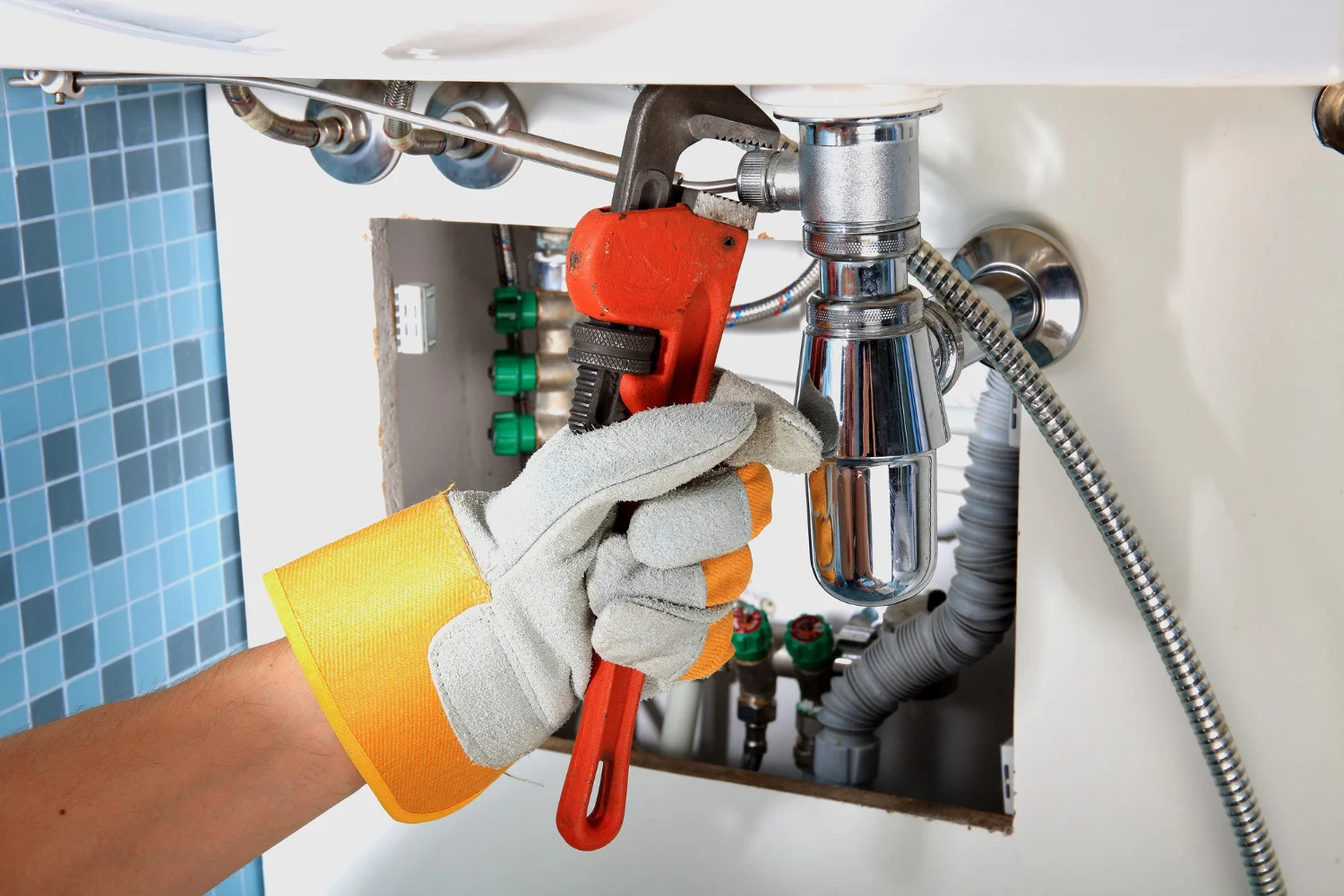
Domestic plumbing roles cover a broad range of responsibilities. These often include:
- Pipework installations and alterations
- Bathroom and kitchen plumbing
- Leak detection and repair
- The cylinder and water system work
- General maintenance
Many professionals who begin their careers in plumbing develop strong practical foundations. The variety of work keeps the role engaging, particularly in domestic environments where property types differ significantly.
For engineers considering plumbing jobs, the appeal often lies in the range of projects and the opportunity to work across different parts of a home.
What do boiler-focused roles involve?
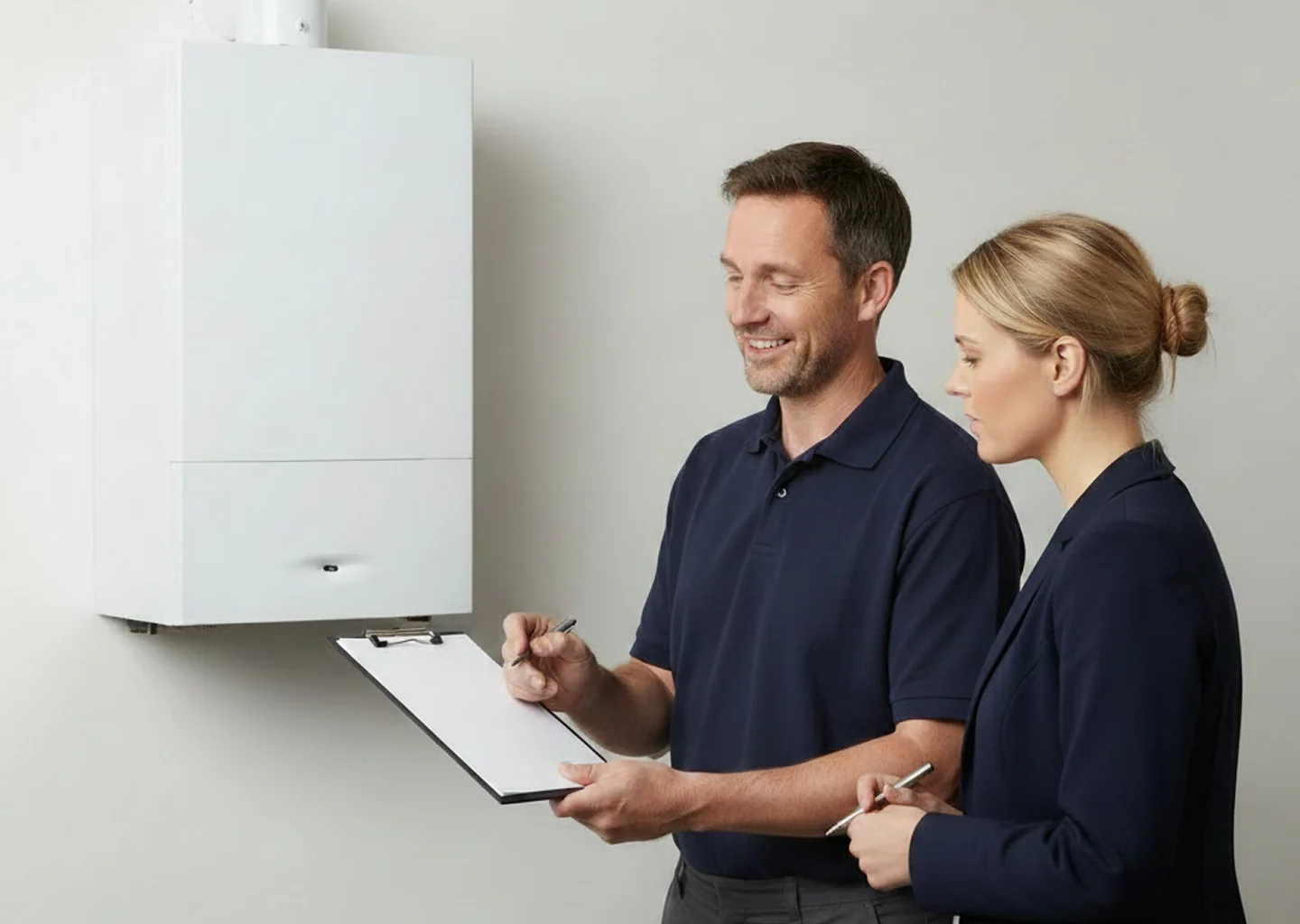
Boiler and heating roles are more specialised. Responsibilities often include:
- Boiler installation and replacement
- Fault diagnosis and repair
- Servicing and safety checks
- Heating system optimisation
While there is overlap with plumbing, heating work requires deeper system-specific knowledge. Professionals often focus on efficiency, controls and system performance. When reviewing boiler jobs, it is important to consider whether you prefer diagnostic problem-solving or a broader installation variety.
Which role offers more technical complexity?
Both career paths offer technical challenges, but the nature of those challenges differs.
Plumbing complexity often involves:
- Routing pipework through tight spaces
- Adapting to older property layouts
- Managing water pressure and flow issues
Heating complexity may involve:
- Advanced fault-finding
- Interpreting boiler error codes
- Balancing heating systems
- Working alongside a qualified heating engineer on system design
If you enjoy analytical diagnostics and system performance optimisation, heating may suit you. If you prefer varied installations and broader domestic exposure, plumbing may be more appealing.
Which fuel powers your boiler?

Mains Gas

LPG

Other
It just takes 60 Seconds
And then you can book a free consultation
How do career progression paths compare?
Progression opportunities vary depending on the company structure. Below is a simplified comparison:
|
Career Aspect |
Plumbing Path |
Heating Path |
|
Early Career |
Broad domestic exposure |
Focused system expertise |
|
Technical Growth |
Multi-trade adaptability |
Deep heating specialisation |
|
Leadership Options |
Lead plumbing projects |
Lead heating installations |
|
Customer Interaction |
Frequent |
Frequent |
|
Specialisation |
Bathroom design, water systems |
Advanced diagnostics, system upgrades |
Both paths can lead to long-term stability and senior roles within a structured team.
Is one path more stable than the other?
Domestic demand in Kent remains strong for both plumbing and heating services. However, heating demand often increases during colder months due to breakdowns and urgent repairs.
Many engineers find that combining experience in both areas creates flexibility. Those comparing plumbing jobs and heating roles often discover that cross-disciplinary skills increase employability.
That said, specialisation can also strengthen your professional profile if you prefer focusing deeply on one area.
What type of working environment suits each role?
The work environment depends more on the employer than the discipline. However, heating-focused roles may involve more time spent diagnosing system faults, while plumbing roles can involve larger installation projects.
When reviewing boiler jobs, consider whether you enjoy structured technical problem-solving. When evaluating plumbing roles, consider whether you prefer varied installations and a broader scope.
A professional company should offer:
- Realistic scheduling
- Clear job briefs
- Reliable parts support
- Respectful customer interaction
- Opportunities for development
These factors matter more than the label of the role itself.
If you would like to see how Kentish Plumbers structures both plumbing and heating opportunities, you can review current openings here:
Case example: Choosing the right path
Imagine two engineers at a similar career stage.
Engineer A enjoys full bathroom installations, pipework planning and multi-day projects. Engineer B prefers diagnosing intermittent faults and optimising heating system performance.
Both roles are valuable. The difference lies in personal strengths and preferences.
Understanding which type of work gives you more professional satisfaction is often the key to making the right choice.
How should you decide?
Before applying for any role, ask yourself:
- Do you prefer installation projects or diagnostic challenges?
- Are you comfortable specialising?
- Do you enjoy explaining technical systems to customers?
- Would broader skill exposure benefit your long-term goals?
Clear answers to these questions will guide your decision more effectively than focusing purely on pay.
FAQs
Choosing between plumbing jobs and heating-focused roles is about understanding your strengths and long-term ambitions. Both paths offer strong prospects in Kent, particularly within structured domestic teams.
If you are reviewing boiler jobs or plumbing opportunities and want to explore where your experience fits best, starting a conversation is often the most practical next step.
Related articles

Which fuel powers your boiler?
Mains Gas
LPG
Other
At a glance
Understanding the differences between plumbing jobs and heating-focused roles can help you make a confident and informed decision. This guide breaks down what each path involves, the skills required, and how to decide which direction aligns with your strengths.
Whether you are already experienced or looking to refine your focus, clarity at this stage can shape your long-term career.
If you are exploring opportunities in either discipline, you can view current roles and apply here:
What do plumbing roles typically involve?
Domestic plumbing roles cover a broad range of responsibilities. These often include:
- Pipework installations and alterations
- Bathroom and kitchen plumbing
- Leak detection and repair
- The cylinder and water system work
- General maintenance
Many professionals who begin their careers in plumbing develop strong practical foundations. The variety of work keeps the role engaging, particularly in domestic environments where property types differ significantly.
For engineers considering plumbing jobs, the appeal often lies in the range of projects and the opportunity to work across different parts of a home.
What do boiler-focused roles involve?
Boiler and heating roles are more specialised. Responsibilities often include:
- Boiler installation and replacement
- Fault diagnosis and repair
- Servicing and safety checks
- Heating system optimisation
While there is overlap with plumbing, heating work requires deeper system-specific knowledge. Professionals often focus on efficiency, controls and system performance. When reviewing boiler jobs, it is important to consider whether you prefer diagnostic problem-solving or a broader installation variety.
Which role offers more technical complexity?
Both career paths offer technical challenges, but the nature of those challenges differs.
Plumbing complexity often involves:
- Routing pipework through tight spaces
- Adapting to older property layouts
- Managing water pressure and flow issues
Heating complexity may involve:
- Advanced fault-finding
- Interpreting boiler error codes
- Balancing heating systems
- Working alongside a qualified heating engineer on system design
If you enjoy analytical diagnostics and system performance optimisation, heating may suit you. If you prefer varied installations and broader domestic exposure, plumbing may be more appealing.
Which fuel powers your boiler?
Mains Gas
LPG
Other
It just takes 60 Seconds
And then you can book a free consultation
How do career progression paths compare?
Progression opportunities vary depending on the company structure. Below is a simplified comparison:
|
Career Aspect |
Plumbing Path |
Heating Path |
|
Early Career |
Broad domestic exposure |
Focused system expertise |
|
Technical Growth |
Multi-trade adaptability |
Deep heating specialisation |
|
Leadership Options |
Lead plumbing projects |
Lead heating installations |
|
Customer Interaction |
Frequent |
Frequent |
|
Specialisation |
Bathroom design, water systems |
Advanced diagnostics, system upgrades |
Both paths can lead to long-term stability and senior roles within a structured team.
Is one path more stable than the other?
Domestic demand in Kent remains strong for both plumbing and heating services. However, heating demand often increases during colder months due to breakdowns and urgent repairs.
Many engineers find that combining experience in both areas creates flexibility. Those comparing plumbing jobs and heating roles often discover that cross-disciplinary skills increase employability.
That said, specialisation can also strengthen your professional profile if you prefer focusing deeply on one area.
What type of working environment suits each role?
The work environment depends more on the employer than the discipline. However, heating-focused roles may involve more time spent diagnosing system faults, while plumbing roles can involve larger installation projects.
When reviewing boiler jobs, consider whether you enjoy structured technical problem-solving. When evaluating plumbing roles, consider whether you prefer varied installations and a broader scope.
A professional company should offer:
- Realistic scheduling
- Clear job briefs
- Reliable parts support
- Respectful customer interaction
- Opportunities for development
These factors matter more than the label of the role itself.
If you would like to see how Kentish Plumbers structures both plumbing and heating opportunities, you can review current openings here:
Case example: Choosing the right path
Imagine two engineers at a similar career stage.
Engineer A enjoys full bathroom installations, pipework planning and multi-day projects. Engineer B prefers diagnosing intermittent faults and optimising heating system performance.
Both roles are valuable. The difference lies in personal strengths and preferences.
Understanding which type of work gives you more professional satisfaction is often the key to making the right choice.
How should you decide?
Before applying for any role, ask yourself:
- Do you prefer installation projects or diagnostic challenges?
- Are you comfortable specialising?
- Do you enjoy explaining technical systems to customers?
- Would broader skill exposure benefit your long-term goals?
Clear answers to these questions will guide your decision more effectively than focusing purely on pay.
FAQs
Choosing between plumbing jobs and heating-focused roles is about understanding your strengths and long-term ambitions. Both paths offer strong prospects in Kent, particularly within structured domestic teams.
If you are reviewing boiler jobs or plumbing opportunities and want to explore where your experience fits best, starting a conversation is often the most practical next step.
Related articles
Which fuel powers your boiler?
Mains Gas
LPG
Other