
Why Upgrading to a Smart Boiler System Is Worth the Cost?
Replacing or upgrading a boiler is a decision most homeowners do not take lightly. Beyond choosing the right boiler, many people now consider whether adding smart technology is genuinely worth the extra expense.

Why you can trust our content
We understand that the boiler industry can be confusing, with plenty of outdated or misleading information. That’s why we rely only on trusted, proven sources to guide our advice and installations:






At a glance
If you are weighing up the cost for boiler installation in Tunbridge Wells, it helps to understand what a smart boiler system actually delivers over time. This guide explains where the value lies, how costs compare, and why smart systems are increasingly seen as a practical long-term investment rather than a luxury.
What is meant by a smart boiler system?
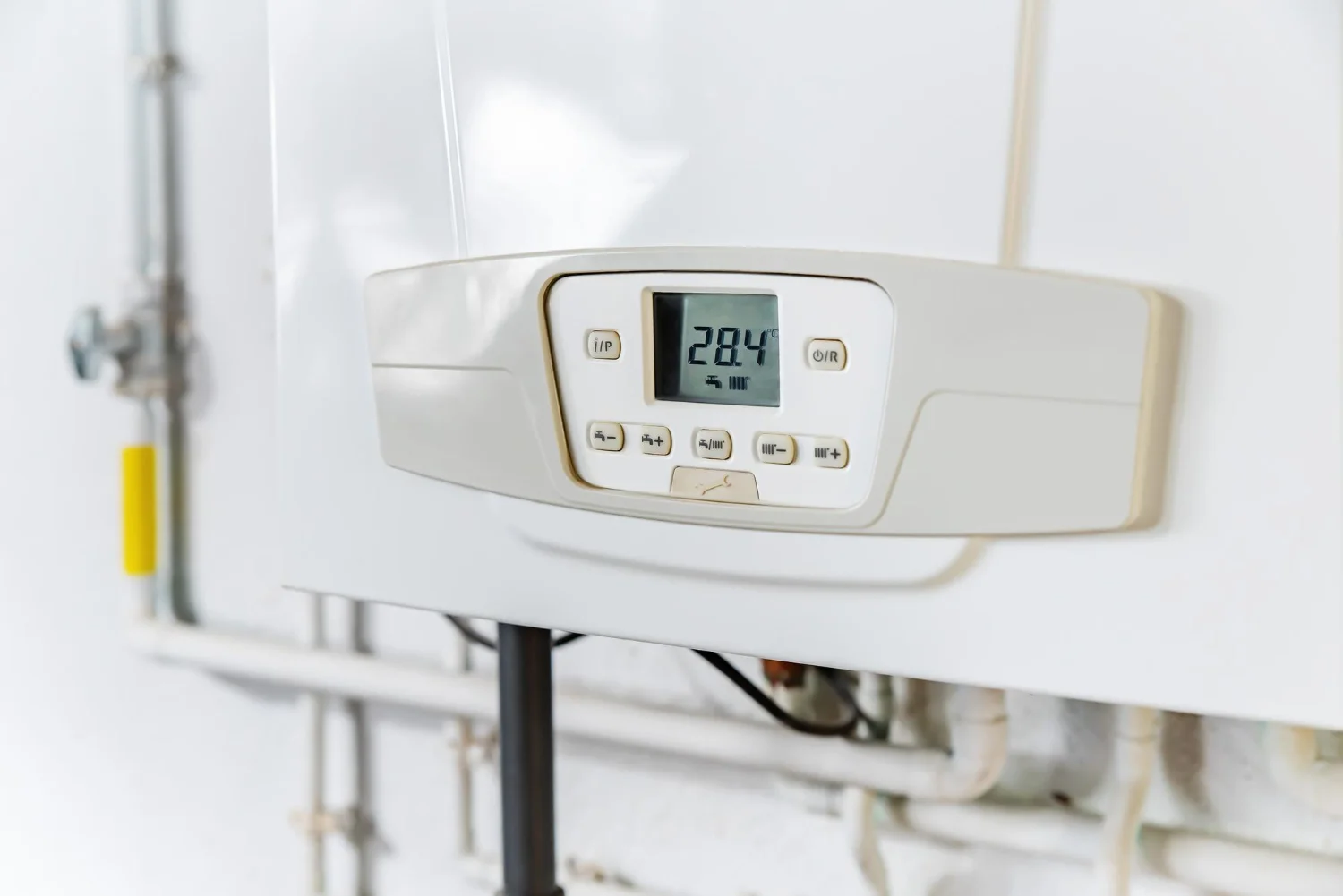
A smart boiler system combines a modern, efficient boiler with intelligent heating controls. These controls communicate with the boiler to regulate heat output more precisely than traditional thermostats.
A typical smart system may include:
- A smart thermostat
- Smart radiator valves for zoning
- Internet-connected control apps
- Sensors that monitor temperature and usage
Together, these elements allow the boiler to respond to how your home is actually used.
Why does smart technology increase the upfront cost?
Smart controls add to the overall installation price because they include additional components and setup time. When homeowners review the cost for new boiler installation, this extra layer can initially seem unnecessary.
However, the increase usually reflects:
- Advanced control hardware
- More detailed system configuration
- Improved efficiency capabilities
In most cases, smart controls represent a relatively small portion of the total installation cost.
How does a smart system reduce long-term heating costs?
Smart systems reduce waste rather than simply lowering temperatures. They focus on heating the right spaces at the right times.
Long-term savings often come from:
- Heating only occupied rooms
- Avoiding unnecessary boiler cycling
- Maintaining steadier temperatures
- Running the boiler at lower output for longer periods
These efficiencies build gradually, making smart systems particularly valuable over the lifespan of the boiler.
Which fuel powers your boiler?

Mains Gas

LPG

Other
It just takes 60 Seconds
And then you can book a free consultation
Is the cost difference worth it for Tunbridge Wells homes?
For many households, yes. Property types in Tunbridge Wells vary widely, from period homes to modern developments. Smart systems adapt well to these differences.
Homes with:
- Multiple floors
- Spare rooms used occasionally
- Home working patterns
often benefit most, as zoning and scheduling reduce wasted energy.
Comparing standard and smart boiler installations
|
Feature |
Standard Boiler System |
Smart Boiler System |
|
Heating control |
Basic timer |
Intelligent scheduling |
|
Room zoning |
Limited |
Yes |
|
Energy monitoring |
Minimal |
Detailed |
|
Comfort consistency |
Variable |
High |
|
Long-term efficiency |
Moderate |
Improved |
This comparison highlights why many homeowners see smart systems as better value over time.
Does a smart system affect boiler replacement decisions?
Yes. When planning a boiler replacement cost, homeowners often focus on the boiler itself. However, controls play a major role in how efficiently that boiler performs.
Replacing an older boiler without upgrading controls can limit the benefits of the new system. Smart controls ensure the replacement boiler operates as efficiently as possible from day one.
Are smart systems harder to maintain?
Smart boiler systems do not require more maintenance than standard systems. In some cases, they support better maintenance by providing clearer performance data.
Benefits include:
- Early detection of irregular behaviour
- More consistent system performance
- Improved communication during servicing
Annual servicing remains essential, but smart controls can help identify issues sooner.
Can smart controls be added later?
Yes. Many homeowners choose to add smart controls after installation. While fitting everything at once can be more convenient, adding controls later still delivers meaningful improvements.
That said, installing smart controls during the initial setup can reduce disruption and ensure the system is fully optimised from the start.
Typical Tunbridge Wells scenario
A family living in a four-bedroom home replaced an ageing boiler after years of rising energy bills. While reviewing the cost for boiler installation, they decided to include smart controls to improve efficiency.
After installation, they used zoning to reduce heating in unused bedrooms during the week. Over the first year, heating felt more consistent and energy usage became easier to manage without compromising comfort.
How smart systems influence household comfort
Comfort is often overlooked when assessing installation costs. Smart systems improve comfort by maintaining stable temperatures rather than allowing rooms to overheat or cool too quickly.
This leads to:
- Fewer cold spots
- Reduced need for manual adjustments
- Better night-time temperature control
For many households, improved comfort is as valuable as reduced energy use.
Are smart boiler systems future-ready?
Smart systems are designed to integrate with future heating technologies. Many are compatible with:
- Hybrid heating systems
- Renewable energy sources
- Smart meters and flexible tariffs
This adaptability protects your investment as heating standards continue to evolve.
How to decide if a smart upgrade is right for you?
A smart boiler system may be worth the cost if you:
- Plan to stay in your home long-term
- Want greater control over heating
- Value energy efficiency and comfort
- Are already investing in a modern boiler
Discussing your property layout and usage with an experienced installer can clarify whether the benefits justify the additional cost.
FAQs
Making a confident investment in your heating
Upgrading to a smart boiler system is about more than upfront pricing. While the cost for new boiler installation may be slightly higher, the long-term benefits in efficiency, comfort, and control often outweigh the initial difference.
Kentish Plumbers helps homeowners across Tunbridge Wells choose heating solutions that balance cost, performance, and long-term value, with expert installation and reliable ongoing support.
Related articles


Which fuel powers your boiler?
Mains Gas
LPG
Other
At a glance
If you are weighing up the cost for boiler installation in Tunbridge Wells, it helps to understand what a smart boiler system actually delivers over time. This guide explains where the value lies, how costs compare, and why smart systems are increasingly seen as a practical long-term investment rather than a luxury.
What is meant by a smart boiler system?
A smart boiler system combines a modern, efficient boiler with intelligent heating controls. These controls communicate with the boiler to regulate heat output more precisely than traditional thermostats.
A typical smart system may include:
- A smart thermostat
- Smart radiator valves for zoning
- Internet-connected control apps
- Sensors that monitor temperature and usage
Together, these elements allow the boiler to respond to how your home is actually used.
Why does smart technology increase the upfront cost?
Smart controls add to the overall installation price because they include additional components and setup time. When homeowners review the cost for new boiler installation, this extra layer can initially seem unnecessary.
However, the increase usually reflects:
- Advanced control hardware
- More detailed system configuration
- Improved efficiency capabilities
In most cases, smart controls represent a relatively small portion of the total installation cost.
How does a smart system reduce long-term heating costs?
Smart systems reduce waste rather than simply lowering temperatures. They focus on heating the right spaces at the right times.
Long-term savings often come from:
- Heating only occupied rooms
- Avoiding unnecessary boiler cycling
- Maintaining steadier temperatures
- Running the boiler at lower output for longer periods
These efficiencies build gradually, making smart systems particularly valuable over the lifespan of the boiler.
Which fuel powers your boiler?
Mains Gas
LPG
Other
It just takes 60 Seconds
And then you can book a free consultation
Is the cost difference worth it for Tunbridge Wells homes?
For many households, yes. Property types in Tunbridge Wells vary widely, from period homes to modern developments. Smart systems adapt well to these differences.
Homes with:
- Multiple floors
- Spare rooms used occasionally
- Home working patterns
often benefit most, as zoning and scheduling reduce wasted energy.
Comparing standard and smart boiler installations
|
Feature |
Standard Boiler System |
Smart Boiler System |
|
Heating control |
Basic timer |
Intelligent scheduling |
|
Room zoning |
Limited |
Yes |
|
Energy monitoring |
Minimal |
Detailed |
|
Comfort consistency |
Variable |
High |
|
Long-term efficiency |
Moderate |
Improved |
This comparison highlights why many homeowners see smart systems as better value over time.
Does a smart system affect boiler replacement decisions?
Yes. When planning a boiler replacement cost, homeowners often focus on the boiler itself. However, controls play a major role in how efficiently that boiler performs.
Replacing an older boiler without upgrading controls can limit the benefits of the new system. Smart controls ensure the replacement boiler operates as efficiently as possible from day one.
Are smart systems harder to maintain?
Smart boiler systems do not require more maintenance than standard systems. In some cases, they support better maintenance by providing clearer performance data.
Benefits include:
- Early detection of irregular behaviour
- More consistent system performance
- Improved communication during servicing
Annual servicing remains essential, but smart controls can help identify issues sooner.
Can smart controls be added later?
Yes. Many homeowners choose to add smart controls after installation. While fitting everything at once can be more convenient, adding controls later still delivers meaningful improvements.
That said, installing smart controls during the initial setup can reduce disruption and ensure the system is fully optimised from the start.
Typical Tunbridge Wells scenario
A family living in a four-bedroom home replaced an ageing boiler after years of rising energy bills. While reviewing the cost for boiler installation, they decided to include smart controls to improve efficiency.
After installation, they used zoning to reduce heating in unused bedrooms during the week. Over the first year, heating felt more consistent and energy usage became easier to manage without compromising comfort.
How smart systems influence household comfort
Comfort is often overlooked when assessing installation costs. Smart systems improve comfort by maintaining stable temperatures rather than allowing rooms to overheat or cool too quickly.
This leads to:
- Fewer cold spots
- Reduced need for manual adjustments
- Better night-time temperature control
For many households, improved comfort is as valuable as reduced energy use.
Are smart boiler systems future-ready?
Smart systems are designed to integrate with future heating technologies. Many are compatible with:
- Hybrid heating systems
- Renewable energy sources
- Smart meters and flexible tariffs
This adaptability protects your investment as heating standards continue to evolve.
How to decide if a smart upgrade is right for you?
A smart boiler system may be worth the cost if you:
- Plan to stay in your home long-term
- Want greater control over heating
- Value energy efficiency and comfort
- Are already investing in a modern boiler
Discussing your property layout and usage with an experienced installer can clarify whether the benefits justify the additional cost.
FAQs
Making a confident investment in your heating
Upgrading to a smart boiler system is about more than upfront pricing. While the cost for new boiler installation may be slightly higher, the long-term benefits in efficiency, comfort, and control often outweigh the initial difference.
Kentish Plumbers helps homeowners across Tunbridge Wells choose heating solutions that balance cost, performance, and long-term value, with expert installation and reliable ongoing support.
Related articles
Which fuel powers your boiler?
Mains Gas
LPG
Other