
Planning a Bathroom Installation in Tunbridge Wells? Here’s a Guide to Towel Radiators
Planning a bathroom installation in Tunbridge Wells? Explore towel radiators, thermostatic valves, heating compatibility and costs before work begins.

Why you can trust our content
We understand that the boiler industry can be confusing, with plenty of outdated or misleading information. That’s why we rely only on trusted, proven sources to guide our advice and installations:






At a glance
Introduction
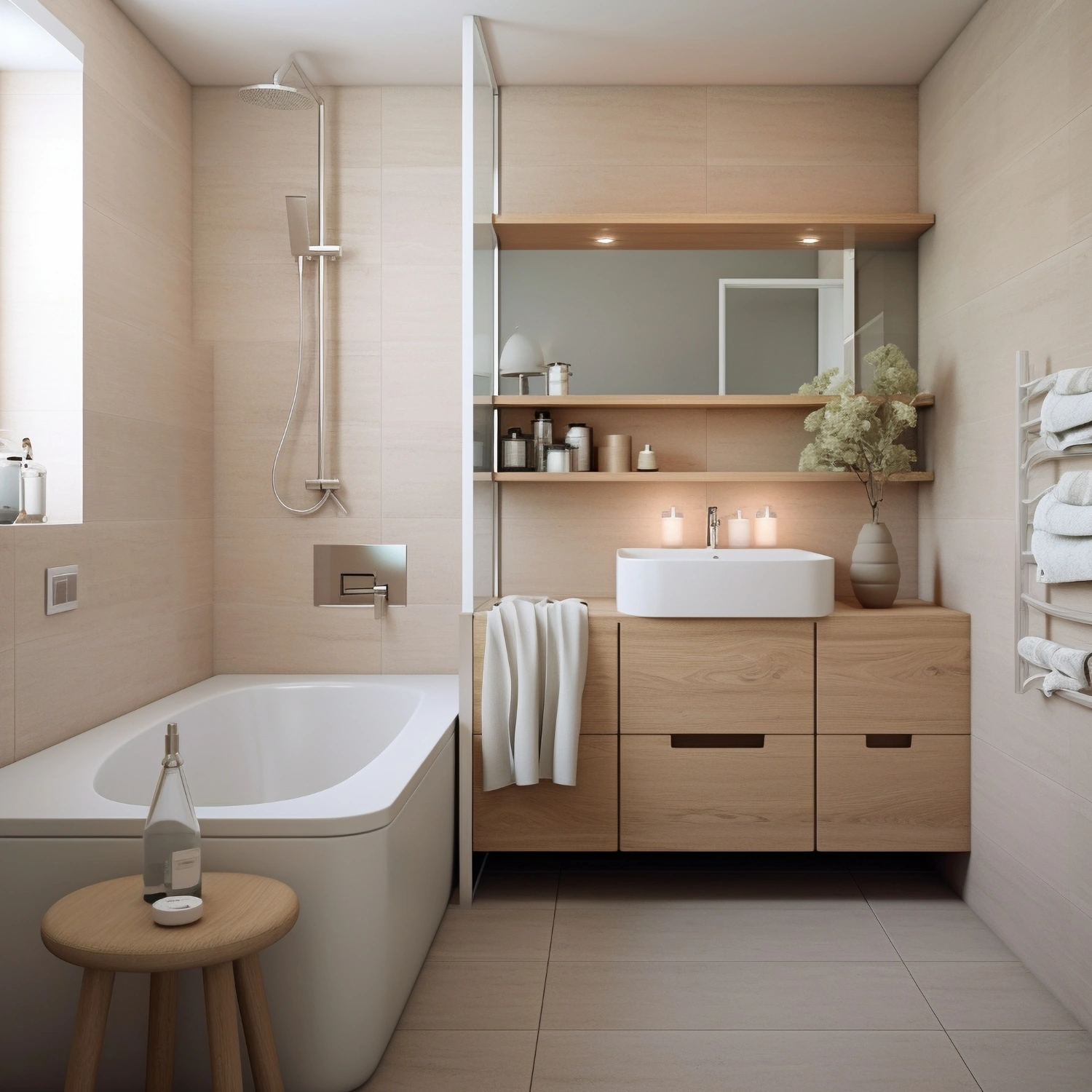
A bathroom renovation involves more than choosing attractive tiles, taps and sanitaryware. Heating deserves attention early in the planning process, particularly if you want a towel radiator that keeps towels warm while helping the room reach a comfortable temperature.
The type of radiator you choose, its position and the way it connects to your heating system can affect both everyday comfort and installation costs. Thermostatic radiator valves (TRVs) may also be useful, but they need to be suitable for the radiator and the wider heating arrangement.
If you are planning a bathroom installation in Tunbridge Wells, you can benefit from considering these details before the plumbing work begins. Early decisions can help avoid unnecessary alterations, improve temperature control and make it easier to coordinate the bathroom installation with your existing boiler and central heating system.
Which Type of Towel Radiator Is Right for Your Bathroom?
A towel radiator can provide a convenient place to warm or dry towels while contributing heat to the bathroom. However, different designs operate in different ways, and the best option depends on the room, your heating system and how you intend to use it.
The main options include the following.
Central heating towel radiators
These connect to the home’s wet central heating system and warm up when hot water circulates through them. They can work well where the bathroom is heated by a conventional boiler and the radiator is appropriately sized.
Their performance depends on the heating schedule and the availability of hot water from the boiler. If the central heating is switched off, a standard central heating towel radiator will not provide heat independently.
Electric towel radiators
Electric models operate using an electrical supply rather than relying on the central heating circuit. Depending on the model and controls, they can offer more flexibility when you want to warm towels outside the main heating schedule.
Electrical work in bathrooms must comply with applicable safety requirements, including the rules for bathroom zones and suitable equipment. A qualified electrician should confirm the correct installation arrangements.
Dual-fuel towel radiators
Some towel radiators can operate through the central heating system and an electric heating element. This can offer flexibility across different seasons, provided the radiator is designed for dual-fuel use and installed correctly.
Not every towel radiator supports this arrangement. Compatibility, isolation, controls and electrical safety need to be checked before installation.
If you are planning a bathroom renovation, speak to Kentish Plumbers about your heating requirements before choosing a towel radiator or finalising the plumbing layout.
How Do You Choose the Right Towel Radiator Size?
A towel radiator needs to provide enough heat for the room, not simply fit the available wall space. A model that looks suitable may struggle to warm the bathroom if its heat output is too low.
The required output depends on several factors:
- The bathroom’s floor area and ceiling height.
- The number and size of external walls.
- Window size and insulation levels.
- The number of occupants and how the room is used.
- The amount of heat expected from other sources.
- Whether the radiator will mainly warm the room, dry towels or do both.
A heat requirement calculation can help establish whether a towel radiator is sufficient or whether supplementary heating is needed.
It is also worth remembering that towels covering much of a radiator can affect how effectively heat reaches the room. If the bathroom relies on the towel radiator as its primary heat source, this should be considered when selecting its size and output.
The best approach is to choose a radiator based on the room’s heating needs and available installation space, rather than appearance alone.
Can a Thermostatic Radiator Valve Improve Bathroom Temperature Control?
A thermostatic radiator valve regulates the flow of hot water through a compatible central heating radiator according to the temperature around its sensor. This can help prevent a bathroom from becoming warmer than necessary.
However, a TRV is not suitable for every towel radiator or heating arrangement. Some electric models use their own built-in controls, while dual-fuel installations require careful consideration of the manufacturer’s instructions and the system design.
Before fitting a valve, check the following:
- Radiator compatibility: Confirm that the radiator supports the proposed valve and connection arrangement.
- Valve position: Ensure the sensor can measure the surrounding air temperature accurately.
- Heating control arrangement: Consider how the valve will work alongside the main thermostat and programmer.
- Access: Leave enough space to adjust the valve and maintain the radiator.
- Manufacturer guidance: Follow the instructions for the specific radiator and valve.
A TRV may help manage the bathroom’s temperature, but it will not solve every heating problem. Restricted circulation, an incorrectly sized radiator or a poorly configured heating system may require a separate assessment.
What Should You Consider When Planning Bathroom Heating?
Heating decisions are easiest to manage when they are made alongside the bathroom layout. Once tiles, wall panels and sanitaryware are installed, moving pipes or changing radiator connections can become more disruptive.
Before work starts, think about the following practical details.
Available wall space
Towel radiators need enough clearance for installation, adjustment and maintenance. Their position should also allow comfortable access to showers, baths, basins and other fixtures.
Pipework routes
A central heating towel radiator may require changes to existing pipework. Discussing pipe routes early can help avoid unnecessary disruption to finished surfaces.
Electrical requirements
Electric and dual-fuel models may need electrical work and appropriate isolation arrangements. Bathroom electrical installations require particular care because of the presence of water.
Ventilation and moisture
A heated bathroom still needs effective ventilation. Heating alone does not remove the moisture created by showers and baths, so suitable extraction and ventilation should be part of the overall plan.
Future maintenance
Valves, electrical controls and radiator connections should remain accessible. Concealing every component behind fixed panels may make future repairs more complicated.
How Can You Plan a Realistic Bathroom Budget?
The bathroom cost Tunbridge Wells homeowners need to allow for will depend on the size of the room, the specification, the amount of plumbing work and the condition of the existing fittings.
Heating can form a relatively small part of a straightforward renovation or become a more significant expense when pipework needs to be relocated, electrical connections added or the heating system altered.
The table below highlights the main cost considerations. It does not provide fixed prices because the work required varies from property to property.
| Item | What can affect the cost? | What to confirm before work starts |
|---|---|---|
| Towel radiator | Size, material, design and heat output | Whether it can adequately heat the room |
| Thermostatic valve | Valve type, compatibility and fitting requirements | Whether the existing pipework is suitable |
| Pipework alterations | Accessibility, distance and finished surfaces | Whether pipes need moving or extending |
| Electrical connection | Equipment, access and installation requirements | Whether a qualified electrician is needed |
| Heating system adjustments | Balancing, circulation or control changes | Whether additional work is recommended |
| Ventilation improvements | Existing extraction and installation requirements | Whether moisture removal is adequate |
Ask for a written quotation that separates the radiator and fittings from labour and additional plumbing or electrical work. This makes it easier to understand what is included and compare proposals fairly.
It is also sensible to establish whether the existing boiler and heating system can support the proposed radiator arrangement before buying equipment.
If you are comparing options for a bathroom renovation, contact Kentish Plumbers to discuss the plumbing and heating work that may be needed for your chosen layout.
Will a New Towel Radiator Increase Your Heating Bills?
A towel radiator uses energy to produce heat, but the effect on your bills depends on the type of radiator, its output, how long it operates and the heating system supplying it.
A central heating towel radiator draws heat from the boiler when the heating circuit is running. An electric model uses electricity directly, while a dual-fuel radiator can use either heat source according to its design and controls.
You can manage energy use by:
- Choosing a radiator that suits the bathroom’s heating requirements.
- Using suitable heating schedules rather than leaving the system running unnecessarily.
- Avoiding excessive room temperatures.
- Using compatible controls correctly.
- Maintaining the boiler and heating system.
- Addressing draughts and insulation problems where practical.
A larger radiator is not automatically wasteful, just as a smaller model is not always more economical. If the radiator is too small, you may need to run the heating for longer without achieving a comfortable temperature.
For an electric towel radiator, check the manufacturer’s power rating and controls before estimating running costs. For a central heating model, the effect on energy use will depend on the boiler, the wider heating circuit and how the household operates the system.
A Typical Tunbridge Wells Bathroom Renovation
Consider a typical family bathroom in a Tunbridge Wells home where the owner wants a modern towel radiator but also needs the room to warm up quickly during winter.
The existing radiator is positioned behind the bathroom door, making it difficult to reach the valve. The proposed new layout moves the radiator to a more accessible wall, but the new position requires changes to the pipework.
Before the renovation begins, the installer checks the available space, the radiator’s heat output and the suitability of the existing heating system. The homeowner also arranges for ventilation and any necessary electrical work to be considered as part of the wider project.
This is a hypothetical example, but it illustrates why heating should be planned alongside the bathroom layout. Making decisions before the installation starts can reduce the likelihood of costly changes once the room is finished.
What Questions Should You Ask Before Booking the Work?
Before confirming your bathroom installation, make sure you understand the proposed heating arrangements.
Useful questions include:
- Is the selected towel radiator suitable for the size of the bathroom?
- Will it connect to the central heating system, use electricity or support dual-fuel operation?
- Are the existing pipes and valves compatible with the new radiator?
- Will the radiator need to be moved to accommodate the new layout?
- Are any boiler or heating control adjustments required?
- Who will carry out any necessary electrical work?
- What is included in the quotation, and what could cost extra?
- Will the radiator connections and controls remain accessible for maintenance?
Clear answers make it easier to understand the scope of work and avoid confusion about responsibilities between different trades.
Frequently Asked Questions
A successful bathroom renovation should look good and work comfortably throughout the year. Choosing the right towel radiator, checking valve compatibility and planning pipework early can help prevent avoidable changes and make the finished room easier to use.
The right solution depends on your bathroom layout, heating requirements and existing system. A radiator that suits one property may not provide enough heat in another, so it is worth checking the details before committing to a purchase.
With suitable planning and professional installation, your towel radiator can become a useful part of a bathroom that feels comfortable, functions reliably and meets your household’s everyday needs.
With suitable planning and professional installation, your towel radiator can become a useful part of a bathroom that feels comfortable, functions reliably and meets your household’s everyday needs.
Related articles

At a glance
Introduction
A bathroom renovation involves more than choosing attractive tiles, taps and sanitaryware. Heating deserves attention early in the planning process, particularly if you want a towel radiator that keeps towels warm while helping the room reach a comfortable temperature.
The type of radiator you choose, its position and the way it connects to your heating system can affect both everyday comfort and installation costs. Thermostatic radiator valves (TRVs) may also be useful, but they need to be suitable for the radiator and the wider heating arrangement.
If you are planning a bathroom installation in Tunbridge Wells, you can benefit from considering these details before the plumbing work begins. Early decisions can help avoid unnecessary alterations, improve temperature control and make it easier to coordinate the bathroom installation with your existing boiler and central heating system.
Which Type of Towel Radiator Is Right for Your Bathroom?
A towel radiator can provide a convenient place to warm or dry towels while contributing heat to the bathroom. However, different designs operate in different ways, and the best option depends on the room, your heating system and how you intend to use it.
The main options include the following.
Central heating towel radiators
These connect to the home’s wet central heating system and warm up when hot water circulates through them. They can work well where the bathroom is heated by a conventional boiler and the radiator is appropriately sized.
Their performance depends on the heating schedule and the availability of hot water from the boiler. If the central heating is switched off, a standard central heating towel radiator will not provide heat independently.
Electric towel radiators
Electric models operate using an electrical supply rather than relying on the central heating circuit. Depending on the model and controls, they can offer more flexibility when you want to warm towels outside the main heating schedule.
Electrical work in bathrooms must comply with applicable safety requirements, including the rules for bathroom zones and suitable equipment. A qualified electrician should confirm the correct installation arrangements.
Dual-fuel towel radiators
Some towel radiators can operate through the central heating system and an electric heating element. This can offer flexibility across different seasons, provided the radiator is designed for dual-fuel use and installed correctly.
Not every towel radiator supports this arrangement. Compatibility, isolation, controls and electrical safety need to be checked before installation.
If you are planning a bathroom renovation, speak to Kentish Plumbers about your heating requirements before choosing a towel radiator or finalising the plumbing layout.
How Do You Choose the Right Towel Radiator Size?
A towel radiator needs to provide enough heat for the room, not simply fit the available wall space. A model that looks suitable may struggle to warm the bathroom if its heat output is too low.
The required output depends on several factors:
- The bathroom’s floor area and ceiling height.
- The number and size of external walls.
- Window size and insulation levels.
- The number of occupants and how the room is used.
- The amount of heat expected from other sources.
- Whether the radiator will mainly warm the room, dry towels or do both.
A heat requirement calculation can help establish whether a towel radiator is sufficient or whether supplementary heating is needed.
It is also worth remembering that towels covering much of a radiator can affect how effectively heat reaches the room. If the bathroom relies on the towel radiator as its primary heat source, this should be considered when selecting its size and output.
The best approach is to choose a radiator based on the room’s heating needs and available installation space, rather than appearance alone.
Can a Thermostatic Radiator Valve Improve Bathroom Temperature Control?
A thermostatic radiator valve regulates the flow of hot water through a compatible central heating radiator according to the temperature around its sensor. This can help prevent a bathroom from becoming warmer than necessary.
However, a TRV is not suitable for every towel radiator or heating arrangement. Some electric models use their own built-in controls, while dual-fuel installations require careful consideration of the manufacturer’s instructions and the system design.
Before fitting a valve, check the following:
- Radiator compatibility: Confirm that the radiator supports the proposed valve and connection arrangement.
- Valve position: Ensure the sensor can measure the surrounding air temperature accurately.
- Heating control arrangement: Consider how the valve will work alongside the main thermostat and programmer.
- Access: Leave enough space to adjust the valve and maintain the radiator.
- Manufacturer guidance: Follow the instructions for the specific radiator and valve.
A TRV may help manage the bathroom’s temperature, but it will not solve every heating problem. Restricted circulation, an incorrectly sized radiator or a poorly configured heating system may require a separate assessment.
What Should You Consider When Planning Bathroom Heating?
Heating decisions are easiest to manage when they are made alongside the bathroom layout. Once tiles, wall panels and sanitaryware are installed, moving pipes or changing radiator connections can become more disruptive.
Before work starts, think about the following practical details.
Available wall space
Towel radiators need enough clearance for installation, adjustment and maintenance. Their position should also allow comfortable access to showers, baths, basins and other fixtures.
Pipework routes
A central heating towel radiator may require changes to existing pipework. Discussing pipe routes early can help avoid unnecessary disruption to finished surfaces.
Electrical requirements
Electric and dual-fuel models may need electrical work and appropriate isolation arrangements. Bathroom electrical installations require particular care because of the presence of water.
Ventilation and moisture
A heated bathroom still needs effective ventilation. Heating alone does not remove the moisture created by showers and baths, so suitable extraction and ventilation should be part of the overall plan.
Future maintenance
Valves, electrical controls and radiator connections should remain accessible. Concealing every component behind fixed panels may make future repairs more complicated.
How Can You Plan a Realistic Bathroom Budget?
The bathroom cost Tunbridge Wells homeowners need to allow for will depend on the size of the room, the specification, the amount of plumbing work and the condition of the existing fittings.
Heating can form a relatively small part of a straightforward renovation or become a more significant expense when pipework needs to be relocated, electrical connections added or the heating system altered.
The table below highlights the main cost considerations. It does not provide fixed prices because the work required varies from property to property.
| Item | What can affect the cost? | What to confirm before work starts |
|---|---|---|
| Towel radiator | Size, material, design and heat output | Whether it can adequately heat the room |
| Thermostatic valve | Valve type, compatibility and fitting requirements | Whether the existing pipework is suitable |
| Pipework alterations | Accessibility, distance and finished surfaces | Whether pipes need moving or extending |
| Electrical connection | Equipment, access and installation requirements | Whether a qualified electrician is needed |
| Heating system adjustments | Balancing, circulation or control changes | Whether additional work is recommended |
| Ventilation improvements | Existing extraction and installation requirements | Whether moisture removal is adequate |
Ask for a written quotation that separates the radiator and fittings from labour and additional plumbing or electrical work. This makes it easier to understand what is included and compare proposals fairly.
It is also sensible to establish whether the existing boiler and heating system can support the proposed radiator arrangement before buying equipment.
If you are comparing options for a bathroom renovation, contact Kentish Plumbers to discuss the plumbing and heating work that may be needed for your chosen layout.
Will a New Towel Radiator Increase Your Heating Bills?
A towel radiator uses energy to produce heat, but the effect on your bills depends on the type of radiator, its output, how long it operates and the heating system supplying it.
A central heating towel radiator draws heat from the boiler when the heating circuit is running. An electric model uses electricity directly, while a dual-fuel radiator can use either heat source according to its design and controls.
You can manage energy use by:
- Choosing a radiator that suits the bathroom’s heating requirements.
- Using suitable heating schedules rather than leaving the system running unnecessarily.
- Avoiding excessive room temperatures.
- Using compatible controls correctly.
- Maintaining the boiler and heating system.
- Addressing draughts and insulation problems where practical.
A larger radiator is not automatically wasteful, just as a smaller model is not always more economical. If the radiator is too small, you may need to run the heating for longer without achieving a comfortable temperature.
For an electric towel radiator, check the manufacturer’s power rating and controls before estimating running costs. For a central heating model, the effect on energy use will depend on the boiler, the wider heating circuit and how the household operates the system.
A Typical Tunbridge Wells Bathroom Renovation
Consider a typical family bathroom in a Tunbridge Wells home where the owner wants a modern towel radiator but also needs the room to warm up quickly during winter.
The existing radiator is positioned behind the bathroom door, making it difficult to reach the valve. The proposed new layout moves the radiator to a more accessible wall, but the new position requires changes to the pipework.
Before the renovation begins, the installer checks the available space, the radiator’s heat output and the suitability of the existing heating system. The homeowner also arranges for ventilation and any necessary electrical work to be considered as part of the wider project.
This is a hypothetical example, but it illustrates why heating should be planned alongside the bathroom layout. Making decisions before the installation starts can reduce the likelihood of costly changes once the room is finished.
What Questions Should You Ask Before Booking the Work?
Before confirming your bathroom installation, make sure you understand the proposed heating arrangements.
Useful questions include:
- Is the selected towel radiator suitable for the size of the bathroom?
- Will it connect to the central heating system, use electricity or support dual-fuel operation?
- Are the existing pipes and valves compatible with the new radiator?
- Will the radiator need to be moved to accommodate the new layout?
- Are any boiler or heating control adjustments required?
- Who will carry out any necessary electrical work?
- What is included in the quotation, and what could cost extra?
- Will the radiator connections and controls remain accessible for maintenance?
Clear answers make it easier to understand the scope of work and avoid confusion about responsibilities between different trades.
Frequently Asked Questions
A successful bathroom renovation should look good and work comfortably throughout the year. Choosing the right towel radiator, checking valve compatibility and planning pipework early can help prevent avoidable changes and make the finished room easier to use.
The right solution depends on your bathroom layout, heating requirements and existing system. A radiator that suits one property may not provide enough heat in another, so it is worth checking the details before committing to a purchase.
With suitable planning and professional installation, your towel radiator can become a useful part of a bathroom that feels comfortable, functions reliably and meets your household’s everyday needs.
With suitable planning and professional installation, your towel radiator can become a useful part of a bathroom that feels comfortable, functions reliably and meets your household’s everyday needs.